ICEYE raises over €1bn at a €10bn valuation to scale its radar-satellite fleet
ICEYE closed a Series F worth over €1bn at a €10bn-plus valuation, a record European spacetech round, to scale the radar constellation Ukraine already uses to find Russian targets.
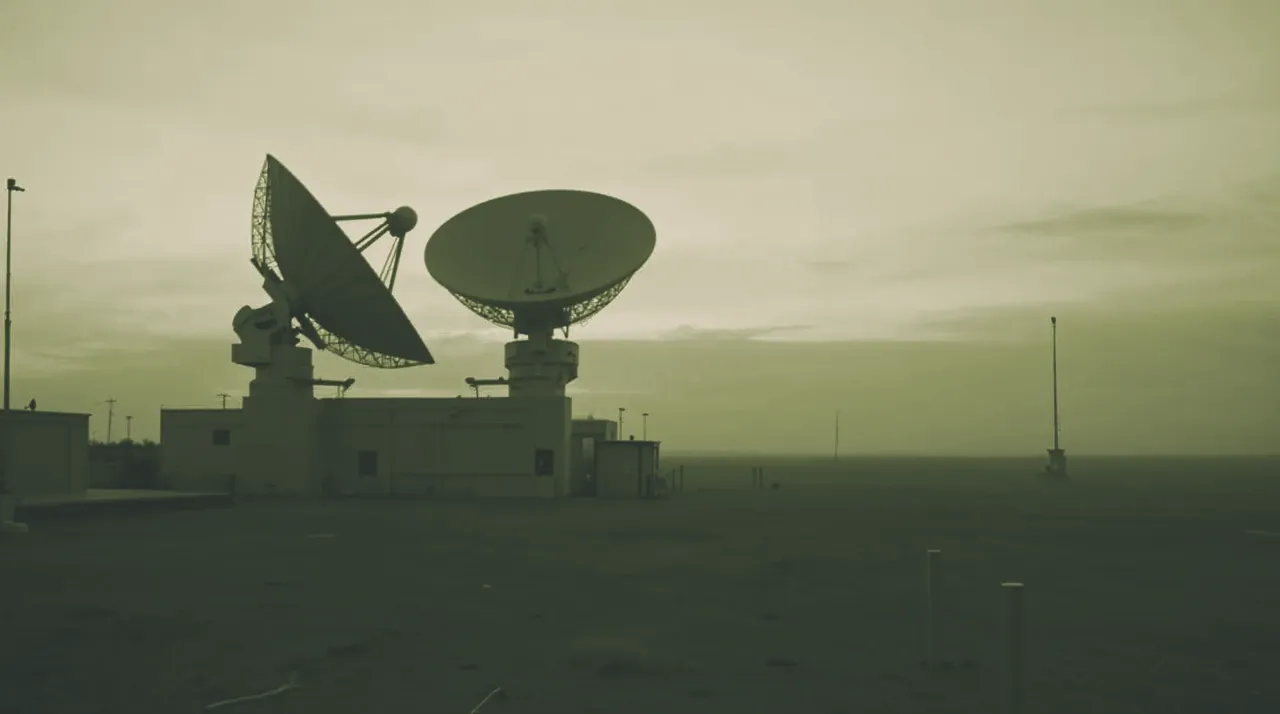
Europe's largest spacetech round to date bets that persistent radar imaging from orbit is now a sovereign defense requirement, not a commercial nicety.
Finnish satellite maker ICEYE has closed a Series F that values it at more than €10bn, with €450m of fresh primary capital led by General Atlantic and a secondary placement pushing the total above €1bn, Sifted reported Tuesday. The company was worth €2.4bn six months ago.
The round is the largest European spacetech raise on record, per Sifted. The syndicate runs to Solidium, Tesi, Varma, Ilmarinen, Lifeline Ventures, Nokia, Qatar Investment Authority and TCV, Defence Industry Europe noted, with Nokia entering as a new strategic investor. ICEYE said the transaction values it above €10bn, about $12bn, and expects it to close in Q3 2026, according to a regulatory note from listed backer Seraphim Space.
ICEYE operates what it calls the world's largest synthetic-aperture-radar constellation. SAR images through cloud and darkness, day or night, which is the property that has made the fleet a fixture over Ukraine. Kyiv's defense intelligence directorate, HUR, said on May 27 it had pulled more than 5,900 radar images since September 2022 from the crowdfunded "People's Satellite," an ICEYE platform bought by the Serhii Prytula Foundation, United24 Media reported. HUR said the imagery, at resolutions to 0.25 meters, has cued strikes on air-defense sites, fuel depots, aircraft and naval assets, and assessed the damage after.
That utility cuts both ways. At least four Russian Kosmos satellites changed orbits in late May to shadow ICEYE-X36, the satellite Ukraine relies on, with a fifth following, Ars Technica reported, citing orbital-tracking analyst Greg Gillinger. Cross-track distances closed to as little as 500 meters. Gillinger called the plane-matching the first step toward rendezvous operations needed to target the spacecraft.
The battlefield and the startup story — free in your inbox every week. No paywall.
Subscribe Free →ICEYE booked over €250m in revenue and a €1.5bn backlog in 2025, Defence Industry Europe said, and plans to double output to 100 satellites a year by 2028. Seven European governments have already bought sovereign systems; it stood up Poland's in under 12 months. The €1bn is the market pricing what the front already proved: an adversary now spends fuel to stalk one of these satellites, and the next sovereign buyer is what the Q3 close will show.
Frequently Asked Questions
How much did ICEYE raise and at what valuation?
ICEYE raised €450m in primary Series F capital led by General Atlantic, and with a secondary placement the total round exceeds €1bn, per Sifted and Defence Industry Europe. The company says the deal values it at more than €10bn, roughly $12bn, up from €2.4bn six months earlier.
Who invested in the round?
General Atlantic led, with a syndicate that includes Solidium, Tesi, Varma, Ilmarinen, Lifeline Ventures, Nokia, the Qatar Investment Authority and TCV, according to Defence Industry Europe. Nokia joined as a new strategic investor.
What is SAR and why does it matter militarily?
Synthetic-aperture radar images the ground through cloud cover and in darkness, day or night, unlike optical satellites. Ukraine's HUR says that property lets it find and strike targets in any weather, at resolutions down to 0.25 meters, per United24 Media.
How is ICEYE imagery used in Ukraine?
HUR said on May 27 it had received more than 5,900 radar images since September 2022 from the crowdfunded "People's Satellite," an ICEYE platform bought by the Serhii Prytula Foundation, and used them to cue strikes on air-defense sites, fuel depots, aircraft and naval assets, United24 Media reported.
Why are Russian satellites maneuvering near an ICEYE spacecraft?
Ars Technica reported that at least four Russian Kosmos satellites, with a fifth following, changed orbits in late May to shadow ICEYE-X36, the satellite Ukraine relies on, closing to as little as 500 meters. Analyst Greg Gillinger called the plane-matching the first step toward rendezvous operations that could target the spacecraft.
When is the round expected to close?
ICEYE expects the financing to close in Q3 2026, subject to regulatory approvals, according to a note from listed backer Seraphim Space Investment Trust.
AI-generated summary, reviewed by an editor. More on our AI guidelines.

Marcus Schuler
Marcus Schuler edits BattlePolicy, a daily defense-technology brief connecting the companies and capabilities behind modern war to the contest among Europe, the US, Russia, and China.