GRID-REF 37°47′N 122°25′W
DISPATCH 02/26 · 9 Jun 2026
BATTLEPOLICY
Startup to front line. Strategy to consequence.
Lexicon · China

JF-17 Thunder

China and Pakistan's lightweight, low-cost multirole fighter — a 4/4.5-generation export workhorse with AESA in Block III, and the backbone of the Pakistan Air Force.

JF-17 Thunder
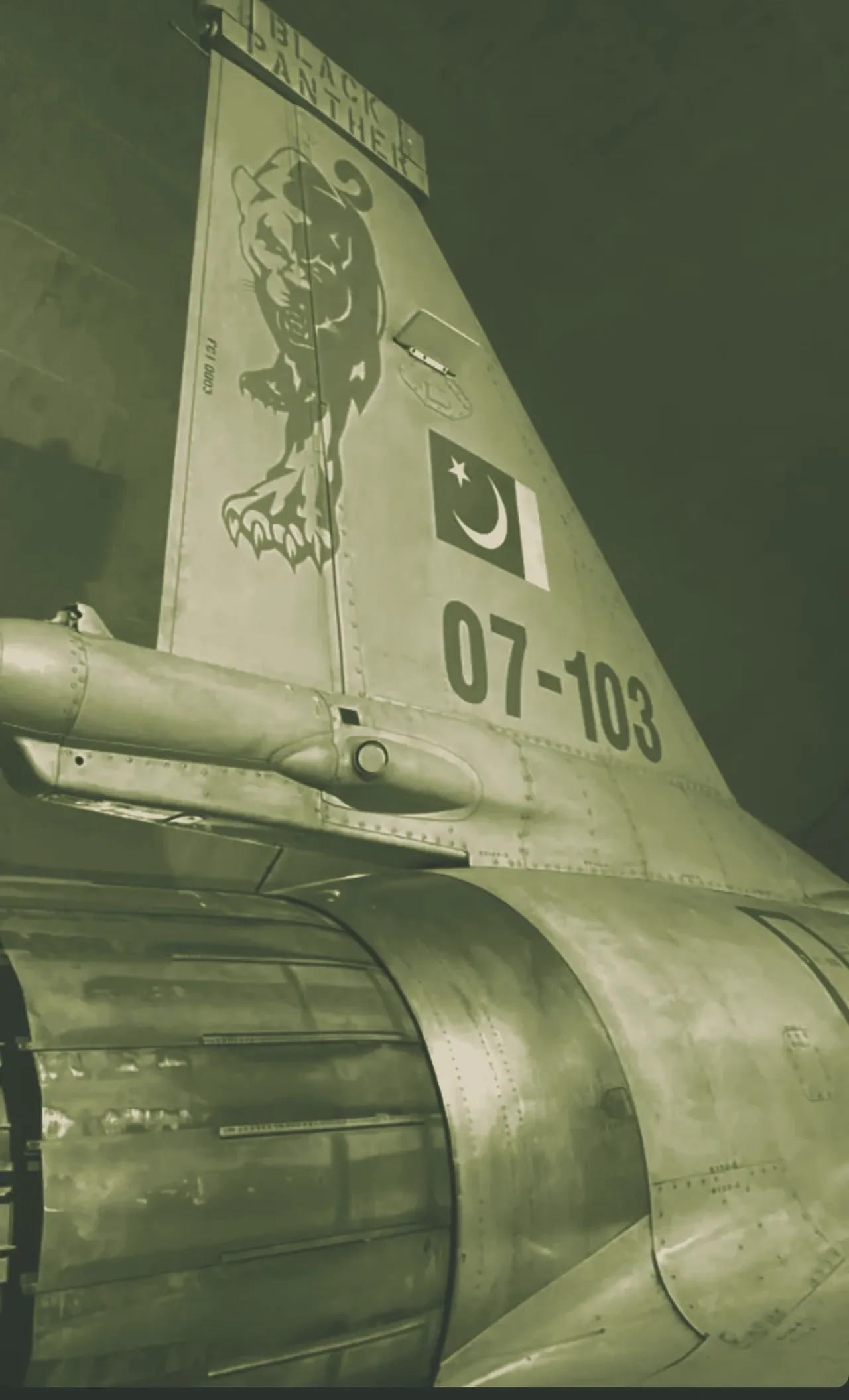
FIG.01 · China Image - JF-17 Thunder. Photo by Pr0pulsion 123, CC BY-SA 4.0, via Wikimedia Commons.
China and Pakistan's lightweight, low-cost multirole fighter — a 4/4.5-generation export workhorse with AESA in Block III, and the backbone of the Pakistan Air Force.

Overview

The JF-17 Thunder, designated FC-1 Xiaolong (“Fierce Dragon”) in China, is a single-engine lightweight multirole fighter co-developed by the Chengdu Aircraft Corporation (CAC) of China and the Pakistan Aeronautical Complex (PAC). Designed as an affordable, export-oriented platform, the JF-17 equips the Pakistan Air Force (PAF) as its most numerous combat type and has been sold to Myanmar, Nigeria, and Azerbaijan. Block III, entering service around 2023, elevates the type to a 4.5-generation capability through an air-cooled AESA radar and the long-range PL-15E beyond-visual-range missile.

Development

CAC and PAC began work on a low-cost fighter to replace Pakistan’s legacy Mirage and F-7 fleets in the late 1990s. The first prototype flew on 25 August 2003, and Pakistan formally inducted the initial Block I aircraft in 2007, according to Wikipedia. Block II followed with improved avionics and aerial-refuelling capability, while the two-seat JF-17B first flew in 2017. The definitive Block III, integrating a Chinese AESA radar and expanded weapons, was unveiled in 2019 and began PAF deliveries around 2023. Export interest remains high; in 2025 the type was touted as a candidate for Saudi Arabia’s fighter diversification, per The War Zone.

Design & capabilities

The JF-17 is a compact delta-wing airframe with lateral air intakes, fly-by-wire controls, and a single Klimov RD-93 afterburning turbofan (or the Chinese WS-13 alternative on some batches). The Block III variant’s defining feature is the KLJ-7A air-cooled AESA radar, which gives the aircraft a credible beyond-visual-range engagement capability with the PL-15E long-range active-radar missile, as outlined by Defence Security Asia. The aircraft carries up to ~3,400–3,600 kg of ordnance on eight hardpoints, including short-range IR missiles (PL-10/PL-5), anti-ship missiles (C-802A/CM-400AKG), and precision-guided bombs. A helmet-mounted display, improved electronic warfare suite, and a twin-barrel 23 mm cannon round out the fit, according to Royal International Air Tattoo. Combat radius on internal fuel is about 900 km, extendable with drop tanks.

Variants

  • JF-17 Block I / II: baseline PAF fighters with a mechanical-scan KLJ-7 radar; Block II added air-to-air refuelling.
  • JF-17B: tandem-seat operational-conversion and combat trainer.
  • JF-17C (Block III): the current production standard, featuring the KLJ-7A AESA, new mission computers, and wider weapons integration.
  • FC-1: the Chinese designation for the export airframe, not in PLAAF service.

Combat record / operational use

The Pakistan Air Force has employed the JF-17 extensively for air-to-ground strikes against militant targets in its western tribal areas. In the February 2019 aerial clash following the Balakot episode, the PAF claimed an Indian fighter shot down by a JF-17, though Indian sources attribute the loss to an F-16 and the attribution remains contested, as noted by Wikipedia. The JF-17 also saw service alongside the J-10CE during the 2025 India–Pakistan tensions, but no confirmed air-to-air kills have been independently verified. Myanmar has reportedly used its JF-17s in internal counter-insurgency operations.

Advantages

  • Very low flyaway cost (~US$25–35 M est.) — one of the most affordable modern multirole fighters.
  • Block III provides an AESA radar and PL-15E BVR missile, closing the sensor gap with many 4.5-gen types.
  • Co-production with Pakistan ensures domestic maintenance and upgrade paths.
  • Lightweight and austere-field capable; operates from shorter/hot-and-high runways.
  • Modular architecture allows custo™isation for different export customers.

Drawbacks / limitations

  • Payload and combat radius are limited relative to medium-weight fighters (Rafale, F-16, J-10C).
  • Earlier blocks lack an AESA and remain reliant on a mechanically scanned radar.
  • Dependent on a Russian-origin engine (RD-93), creating supply-chain vulnerability for non-Russian operators (though the Chinese WS-13 is an alternative).
  • No low-observable features; vulnerable against modern integrated air defenses.
  • Lower maximum speed (~Mach 1.6–1.8) restricts high-end air-superiority roles.

Counterparts

Outlook

The JF-17 will remain the quantitative backbone of the PAF for at least the next decade, with Block III production continuing and incremental upgrades progressively retrofitted. The type’s rock-bottom cost and the availability of an AESA make it an attractive proposition for air arms that cannot afford Western or Russian medium-weight platforms, but its growth potential is constrained by a small airframe and sustained high-threat operations. Success in securing a Saudi or other larger export deal would mark a major commercial breakthrough. Meanwhile, the PAF is complementing the Thunder with the heavier J-10CE for higher-end missions.

Key specifications

Spec Value
Crew 1 (JF-17C) / 2 (JF-17B)
Length / wingspan 14.33 m / 9.44 m
Max speed ~Mach 1.6–1.8 (est.)
Service ceiling ~16,700 m (est.)
Combat radius / range ~900 km internal fuel; up to ~3,000 km with external tanks (est.)
Payload ~3,400–3,600 kg (8 hardpoints)
Hardpoints 8
Radar / sensors KLJ-7A AESA (Block III); helmet-mounted cueing system
Powerplant 1 × Klimov RD-93MA afterburning turbofan (or WS-13 alternative)
Armament 23 mm twin-barrel cannon; PL-15E, PL-10, SD-10 AAMs; C-802A/CM-400AKG anti-ship missiles; precision-guided bombs

Sources

  1. CAC/PAC JF-17 Thunder — Wikipedia. https://en.wikipedia.org/wiki/CAC/PAC_JF-17_Thunder
  2. JF-17 Thunder Block 3: Pakistan’s 4.5-Generation Fighter Jet — Defence Security Asia. https://defencesecurityasia.com/en/https-www-dejf17-block3-pakistan-fighter-global-airpower/
  3. JF-17 Thunder Fighter To Be Offered To Saudi Arabia: Report — The War Zone. https://www.twz.com/air/jf-17-thunder-offered-as-saudi-arabias-next-fighter-report
  4. PAC JF-17C Thunder — Royal International Air Tattoo. https://www.airtattoo.com/riat-2025/aircraft-2025/pac-jf-17c-thunder/
FIELD DISPATCH · WEEKLY

BattlePolicy Weekly — free.

Defense tech, startups, and security — weekly. No paywall.

Related
China · Air Defense · taiwan · interceptors · patriot

China is building air-defense mass opposite Taiwan while America spends its own

Beijing fielded the HQ-16F, a Patriot-class mobile air-defense missile, opposite Taiwan in the same weeks the US burned through the interceptors it would need to defend the island. The contest is magazine depth, not exquisite platforms.

China · Air Defense · taiwan · interceptors · patriot
China · Land · grenade-launcher · precision · sniper · 35mm · 40mm · norinco

QLU-11

China's semi-automatic precision grenade launcher, fielded in 35mm for the PLA and 40mm for export — delivering airburst rounds through a window at 600 m.

China · Land · grenade-launcher · precision · sniper · 35mm · 40mm · norinco