Karrar (UAV)
Iran's HESA Karrar is a jet-powered target drone adapted into claimed strike and air-defense interceptor roles, with performance and weapons claims still thinly verified outside Iranian sources.
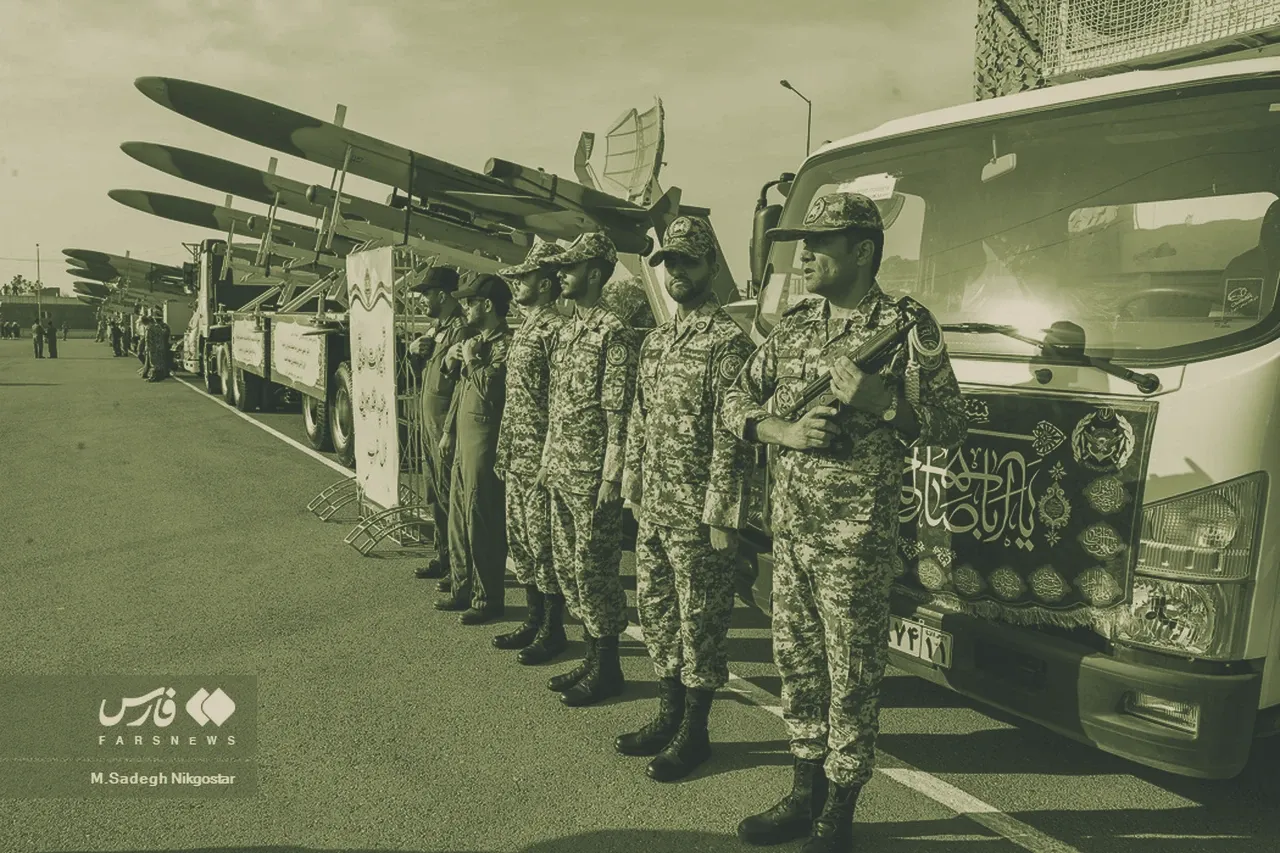
Iran's jet-powered target drone adapted into claimed strike and air-defense interceptor roles, with most performance and weapons claims still dependent on Iranian state or trade-press reporting.
Overview
The HESA Karrar is an Iranian jet-powered unmanned aircraft produced by Iran Aircraft Manufacturing Industrial Company and associated with the Iranian air-defense enterprise — a separate program from Iran's Karrar main battle tank, which shares the name but is an unrelated ground-vehicle system. Publicly unveiled in 2010, the drone has been described by Iranian officials as a long-range strike platform, but its most consistently documented role is as a high-speed target drone for air-defense training and weapons trials. Later Iranian announcements added bomb, anti-ship missile and air-to-air missile roles, including a Majid-armed air-defense variant inducted in December 2023.
The system sits in an unusual category: it is reusable and recoverable, so it belongs in the uncrewed platform family rather than the one-way loitering-munition category, but its jet-powered layout and limited sensor fit make it closer to a target drone adapted for weapons carriage than to a conventional intelligence, surveillance and reconnaissance UAV. Several open-source accounts note that the Karrar resembles the US Beechcraft MQM-107 Streaker target drone lineage, a point reflected in Defense Express analysis of the Karrar's airframe origins.
🔒 The full Karrar (UAV) file is for BattlePolicy Pro members. Below the line: development history, design and capabilities, variants, the combat record, advantages and limitations, comparable systems, outlook, the full specifications table, our sourcing, and the analyst assessment — procurement, suppliers and the BattlePolicy verdict. Unlock the full file with BattlePolicy Pro →
Below this point
- Development
- Design & capabilities
- Variants
- Combat record / operational use
- Advantages
- Drawbacks / limitations
- Counterparts
- Outlook
- Key specifications
- Sources
- Analyst Section
- Procurement & contracts
- Suppliers & related companies
- Comparable systems — analyst view
- Analyst note