US hits more than 80 Iranian targets after three tankers struck in the Strait of Hormuz
CENTCOM's largest strike wave since June hit anti-ship missile sites and more than 60 IRGC fast boats after attacks on three tankers; Tehran answered at US bases in Bahrain and Kuwait, and the June ceasefire looks dead.
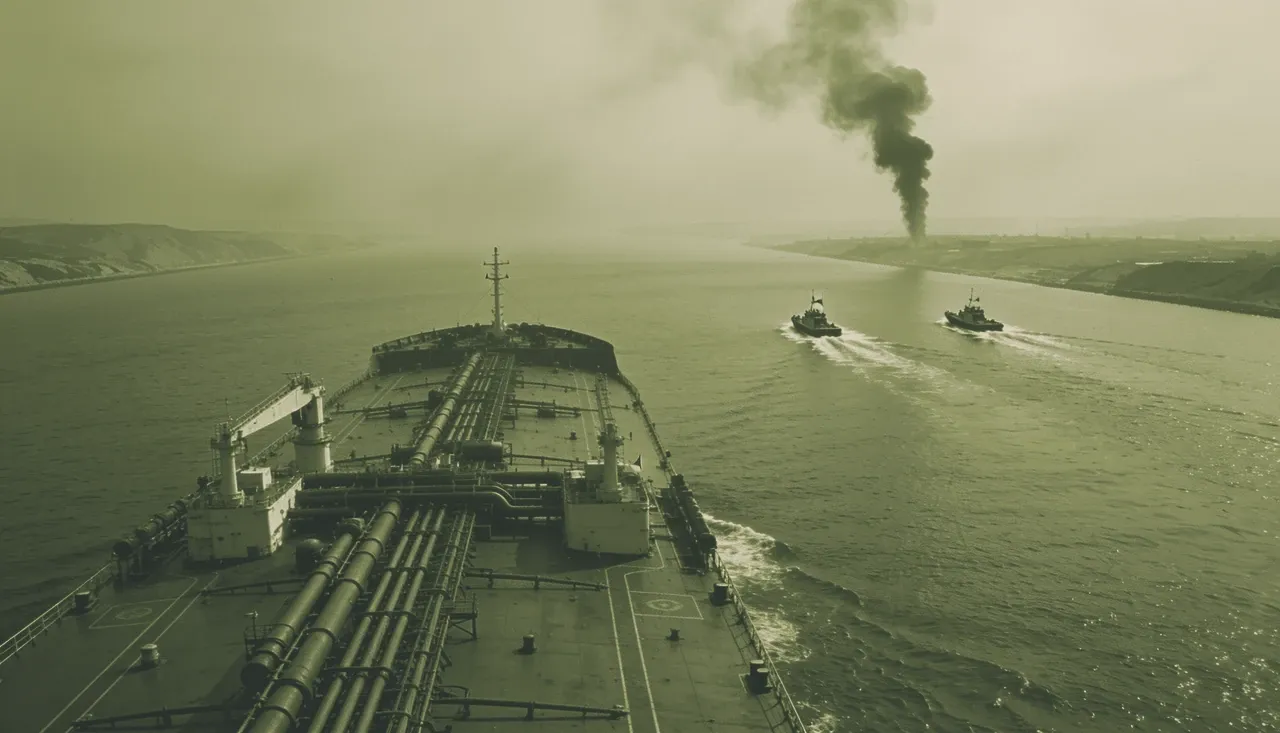
CENTCOM's largest strike wave since June hit anti-ship missile sites and more than 60 IRGC fast boats after attacks on three tankers; Tehran answered at US bases in Bahrain and Kuwait, and the June ceasefire looks dead.
U.S. Central Command completed strikes on more than 80 Iranian targets Tuesday night, its response to Iranian attacks on three commercial tankers transiting the Strait of Hormuz, the command said. Precision munitions hit air defense systems, command and control networks, coastal radar and anti-ship missile sites, plus more than 60 Islamic Revolutionary Guard Corps small boats in and near the strait, TWZ reported.
CENTCOM named the ships: the Marshall Islands-flagged Al Rekayyat, the Saudi-flagged Wedyan and the Liberian-flagged Cyprus Prosperity. One LNG carrier took an unidentified projectile in its engine room and caught fire about eight nautical miles east of Limah, Oman, per UKMTO. All three attacks came on the southern corridor Washington and Muscat had declared open, days after Iran's military warned tankers to use routes it approved.
A U.S. official put Tuesday's wave at four to five times the scope of the late-June strikes, Axios reporter Barak Ravid wrote. Hours before the first explosions were heard around Bandar Abbas, Qeshm Island and Sirik, the Treasury revoked the general license that had allowed Iranian oil sales since June 21, unwinding a central plank of the June 18 memorandum of understanding. Brent crude climbed more than 3 percent, past $76 a barrel.
Tehran's answer came Wednesday. The IRGC said it fired missiles and drones at 85 U.S. military facilities in Bahrain and Kuwait, among them a Navy headquarters and an air base, BBC News reported. Kuwait condemned the "repeated attacks" on its territory. At the NATO summit in Ankara, Trump said the ceasefire "is over" and that negotiators are wasting their time; alliance chief Mark Rutte called the U.S. strikes "absolutely necessary."
The battlefield and the startup story — free in your inbox every week. No paywall.
Subscribe Free →Under the June 18 memorandum, Iran and Oman are supposed to negotiate the strait's future administration, and Iran's Fars news agency has reported Tehran expects to manage the waterway with Muscat, service fees for transiting ships included. The corridor the three tankers used is the same one a U.S. Navy-led maritime center told shippers on Monday had been expanded and remained open to all traffic. Khamenei's burial is set for Thursday in Mashhad. Talks stay paused at least until then.
Frequently Asked Questions
Why did the US strike Iran on July 7?
CENTCOM said the strikes answered Iranian attacks on three commercial tankers transiting the Strait of Hormuz, which it called a clear violation of the ceasefire. More than 80 targets were hit with precision munitions, per the command's statement.
What did the strikes target?
Air defense systems, command and control networks, coastal radar sites, anti-ship missile capabilities and more than 60 IRGC small boats in and near the strait, according to CENTCOM. Iranian state media reported explosions around Bandar Abbas, Qeshm Island and Sirik.
Which tankers were attacked?
CENTCOM named the Marshall Islands-flagged Al Rekayyat, the Saudi-flagged Wedyan and the Liberian-flagged Cyprus Prosperity. Qatar and Saudi Arabia each blamed Iran for the attacks on vessels linked to them, per BBC News.
How did Iran respond?
The IRGC said it launched missiles and drones at 85 US military facilities in Bahrain and Kuwait, including a Navy headquarters and an air base, per BBC News. Iran's foreign ministry called the US moves a breach of the June memorandum.
Is the US-Iran ceasefire dead?
Trump said at the NATO summit in Ankara that the ceasefire "is over," per BBC News. Talks are paused during funeral ceremonies for Ayatollah Ali Khamenei, with burial set for Thursday in Mashhad; it is unclear whether negotiations resume after that.
AI-generated summary, reviewed by an editor. More on our AI guidelines.

Marcus Schuler
Marcus Schuler edits BattlePolicy, a daily defense-technology brief connecting the companies and capabilities behind modern war to the contest among Europe, the US, Russia, and China.