Kraken raises $175M at a $1bn valuation, days after airdropping a drone boat from an A400M
A $175 million Series B makes Kraken Technology Group Europe's newest maritime-defence unicorn, a week after its uncrewed K3 SCOUT became the first drone boat parachuted into the sea from a transport aircraft.
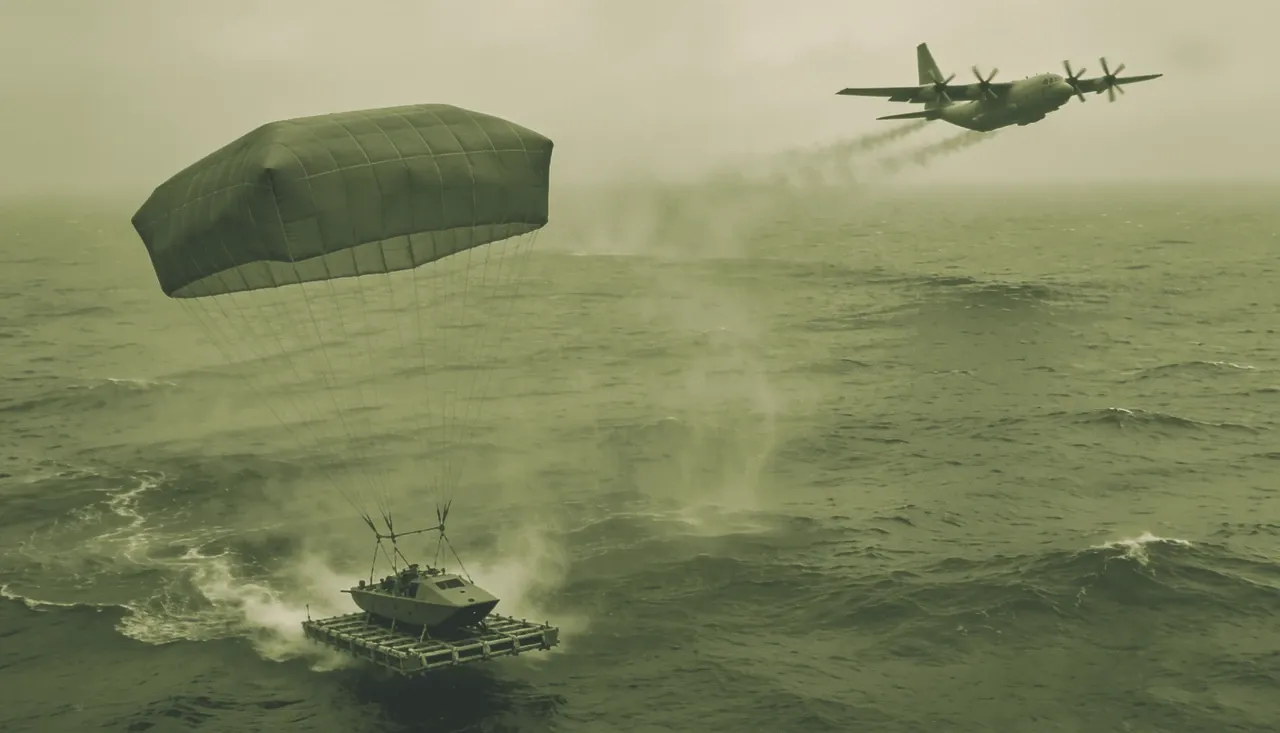
A $175 million Series B makes Kraken Technology Group Europe's newest maritime-defence unicorn, a week after its uncrewed K3 SCOUT became the first drone boat parachuted into the sea from a transport aircraft.
Kraken Technology Group closed a $175 million Series B at a valuation above $1 billion, Bloomberg reported Wednesday, making the Fareham firm Europe's newest maritime-defence unicorn. Digital Transformation Capital Partners led the round, with the NATO Innovation Fund and Rheinmetall among the backers, Sifted noted. The British Business Bank added £27 million, per UKTN.
Founder and CEO Mal Crease spent two decades in offshore powerboat racing before turning the company to defence in 2020, tech.eu wrote. Kraken builds uncrewed surface vessels for demanding seas and has signed contracts with the UK Ministry of Defence, NATO and US Special Operations Command over the past year, according to the company, whose plants can each turn out up to 1,000 hulls a year.
The raise trailed the capability that anchors it by a week. Kraken and Capewell, backed by the Royal Navy under Project Beehive, ran the world's first extracted-load airdrop of an uncrewed surface vessel from an A400M, Naval News reported. A K3 SCOUT rode Capewell's UMCADS cradle out of the aircraft at 1,300 feet and hit water in up to Sea State 4, dropped four times across six days in the North Sea. It entered the water ready to operate, no support ship or port needed.
That answers a specific demand. The Royal Navy has ordered 20 K3 SCOUTs under Project Beehive, and in May the MoD said the type may join a future mission in the Strait of Hormuz, Janes detailed. A drone boat flown in on strategic airlift reaches water a warship cannot, or will not, sail into.
The battlefield and the startup story — free in your inbox every week. No paywall.
Subscribe Free →Kraken lists the 8.4-metre K3 SCOUT at 55 knots and 650 nautical miles, for surveillance, force protection and precision strike. Its bet is speed and modularity over hull size, Tech Funding News wrote. With DTCP, the NATO Innovation Fund and Rheinmetall now pricing that bet at a billion dollars, the open question is whether the boat that fell from an A400M reaches the Gulf.
Frequently Asked Questions
How much did Kraken Technology Group raise, and at what valuation?
Kraken closed a $175 million Series B that values it above $1 billion, according to Bloomberg and Sifted. DTCP led the round, with the NATO Innovation Fund, Rheinmetall and the British Business Bank among the backers.
What is the K3 SCOUT?
It is Kraken's 8.4-metre uncrewed surface vessel, listed at 55 knots and 650 nautical miles of range, used for surveillance, force protection, logistics and precision strike, per Forces News.
What was the world-first airdrop?
Kraken and Capewell, supported by the Royal Navy under Project Beehive, dropped a K3 SCOUT from an A400M at 1,300 feet four times over six days into seas up to Sea State 4, Naval News reported. Kraken calls it the first extracted-load airdrop of a USV from an aircraft.
Who runs Kraken, and where is it based?
Founder and CEO Mal Crease, a former offshore powerboat racer, moved the company into defence in 2020, tech.eu and Tech Funding News wrote. Kraken is headquartered in Fareham, UK.
Why does the airdrop matter for the Royal Navy?
The Navy has ordered 20 K3 SCOUTs under Project Beehive, and the MoD said the type may join a future Strait of Hormuz mission, per Janes. Air delivery lets a USV reach contested water without a support ship or port, Navy Lookout noted.
AI-generated summary, reviewed by an editor. More on our AI guidelines.

Marcus Schuler
Marcus Schuler edits BattlePolicy, a daily defense-technology brief connecting the companies and capabilities behind modern war to the contest among Europe, the US, Russia, and China.