Pentagon names 25 firms to field-test its drone-swarm software at Camp Blanding
The Pentagon's Crucible 2 turns a $54.6 billion autonomy budget line into a contracted shoot-off, and the 25-firm roster shows who the Pentagon is betting on to fly the swarms.
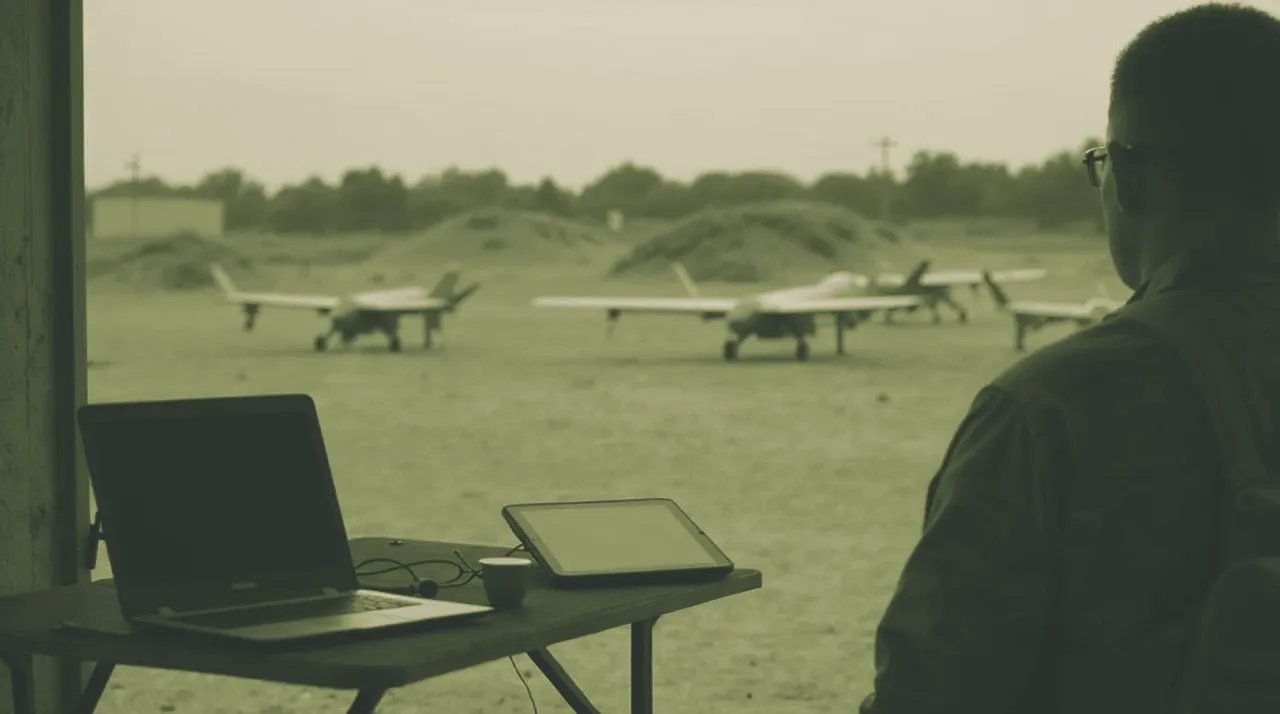
The Pentagon's Crucible 2 turns a $54.6 billion autonomy budget line into a contracted shoot-off, and the 25-firm roster shows who the Pentagon is betting on to fly the swarms.
The Pentagon's Chief Digital and Artificial Intelligence Office named 25 companies for Crucible 2, a five-day autonomous-systems demonstration set for June 22 to 26 at Camp Blanding, Florida, ExecutiveGov reported Wednesday. The solicitation drew a record 133 submissions.
The roster spans the autonomy market's biggest names and its newer entrants: Anduril, Shield AI, Helsing, Palantir, Auterion, AeroVironment and Lockheed Martin's AI unit among them, per ExecutiveGov. Selected firms run live demonstrations or observe, then go on contract to continue the Swarm Forge effort, the office said. Swarm Forge launched this year under Defense Secretary Pete Hegseth's AI acceleration push, run with Special Operations Command, the Defense Innovation Unit and the Naval Drone Association.
Crucible 2 is the demonstration end of a much larger bet. The Pentagon folded its stalled Replicator drone program into the Defense Autonomous Warfare Group last year and is asking Congress for $54.6 billion for it in fiscal 2027, a sum retired CIA director David Petraeus called the largest single commitment to autonomous warfare in history, Defense One noted. Most of the money sits in a reconciliation account the department has five years to spend, the outlet wrote.
The bet has already reached combat code. The Pentagon tapped Shield AI to load its Hivemind autonomy software onto LUCAS, a one-way attack drone the US copied from an Iranian design and flew against Iran in Operation Epic Fury, DefenseScoop reported. Hivemind lets one operator direct a swarm that senses and acts on its own, the company said. Auterion, also on the Crucible roster, is building AI-guided strike drones with Ukraine's Airlogix through a new joint venture, Militarnyi reported.
The battlefield and the startup story — free in your inbox every week. No paywall.
Subscribe Free →CDAO says the program keeps human oversight over the machines. Defense One flagged the strain: the Pentagon's own AI-weapons directive requires human judgment, which thins when a single operator runs hundreds of drones at once. The firms that clear the June demonstration go on contract to keep building Swarm Forge. That is where the Pentagon decides whose autonomy software it scales next.
Frequently Asked Questions
What is Crucible 2?
It is an autonomous-systems demonstration scheduled for June 22 to 26 at Camp Blanding, Florida, ExecutiveGov reported. The Chief Digital and Artificial Intelligence Office runs the event with Special Operations Command, U.S. Army Special Operations Command, the Defense Innovation Unit and the Naval Drone Association.
Which companies were selected?
ExecutiveGov reported 25 firms were picked from a record 133 submissions, including Anduril, Shield AI, Helsing, Palantir, Auterion, AeroVironment and Lockheed Martin's AI unit. Selected firms either run demonstrations or observe, then go on contract to continue the Swarm Forge effort.
What is Swarm Forge?
According to ExecutiveGov, Swarm Forge is a Pentagon initiative launched this year under the War Department's AI acceleration strategy to rapidly identify, test and scale AI-enabled warfighting capabilities through experimentation with military operators and industry.
How large is the Pentagon's autonomy bet?
The Pentagon is requesting $54.6 billion for the Defense Autonomous Warfare Group in fiscal 2027, Defense One noted, a figure retired CIA director David Petraeus called the largest single commitment to autonomous warfare in history. Most of it sits in a reconciliation account the department has five years to spend.
Is the swarm software already used in combat?
DefenseScoop reported the Pentagon tapped Shield AI to put its Hivemind software on the LUCAS attack drone, a system the US copied from an Iranian design and used against Iran in Operation Epic Fury. The software lets one operator direct a swarm that senses and acts on its own.
What is the concern about human control?
CDAO says the program maintains human oversight. Defense One noted the tension with the Pentagon's own AI-weapons directive, which requires human judgment that is hard to keep when one operator commands hundreds of drones at once.
AI-generated summary, reviewed by an editor. More on our AI guidelines.

Marcus Schuler
Marcus Schuler edits BattlePolicy, a daily defense-technology brief connecting the companies and capabilities behind modern war to the contest among Europe, the US, Russia, and China.