Pratt & Whitney Licenses Hermeus to Build the F100 Fighter Engine
Pratt & Whitney licensed Hermeus on Sept. 15 to build F100-PW-229 fighter engines. Hermeus must first get its builds accepted by Pratt, and no rate or delivery date was disclosed.
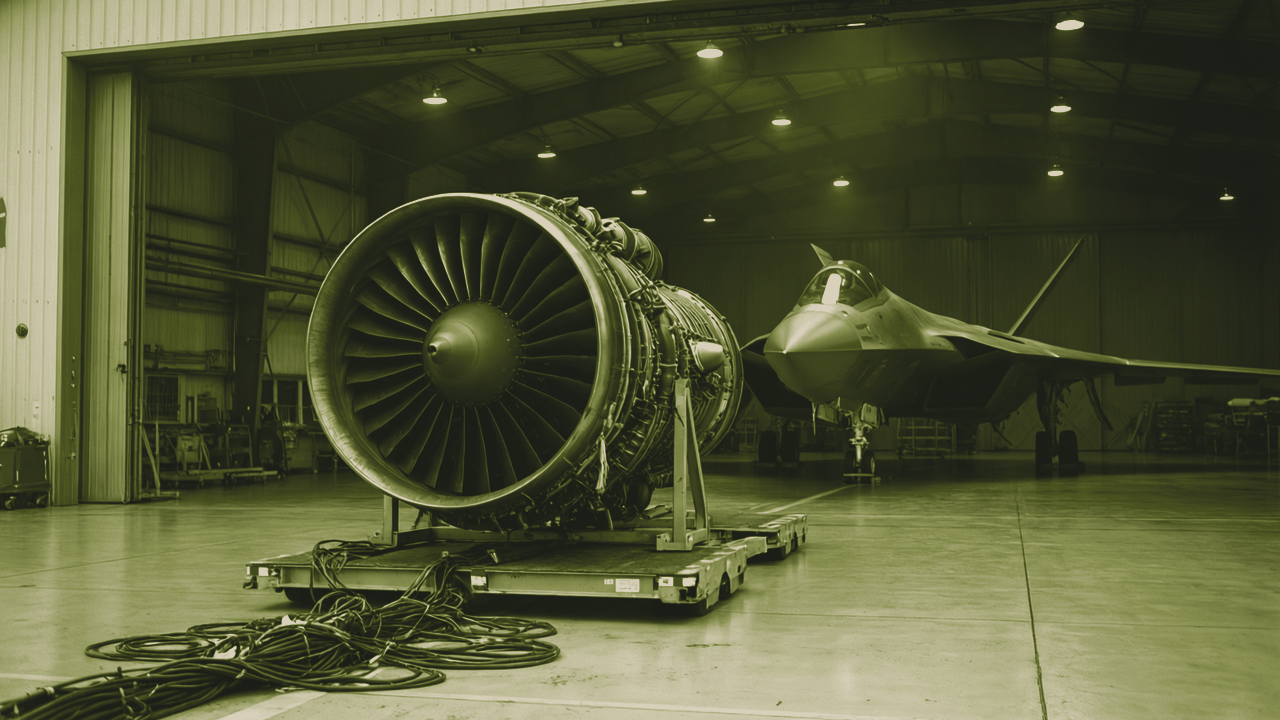
The Quarterhorse maker gets in-house propulsion and a shot at Air Force engine demand, but its first engines still have to pass Pratt's acceptance.
Pratt & Whitney has licensed Hermeus to manufacture F100-PW-229 fighter engines, the companies announced on Sept. 15. The Production License Agreement makes the venture-backed drone maker a new qualified U.S. source for the engine behind versions of the F-15 and F-16. No value was disclosed. Breaking Defense reported it is the first such license Pratt has granted to another American company.
Frequently Asked Questions
What did Pratt & Whitney and Hermeus sign?
A Production License Agreement, announced Sept. 15, authorizing Hermeus to manufacture F100-PW-229 engines to Pratt & Whitney standards, per the companies. No value was disclosed.
Which aircraft use the F100-PW-229?
Versions of the F-15 and F-16, per Breaking Defense, and Hermeus' uncrewed Quarterhorse, per Hermeus.
How many F100 engines does the Air Force expect to need?
An August Air Force request for information projects peak demand above 180 engines a year by fiscal 2034, per Breaking Defense.
When will Hermeus start building engines?
Neither company has disclosed a start date or production rate. Hermeus CEO Zach Shore said the first step is qualifying its builds for Pratt acceptance, and that high-rate production will follow demand.
Is Hermeus designing its own fighter engine?
No. Shore told Breaking Defense the company is not a clean-sheet engine manufacturer. It is separately developing Chimera, a turbine-based combined-cycle system built around the F100.
AI-generated summary, reviewed by an editor. More on our AI guidelines.
Below this point
4 more sections.

Marcus Schuler
Marcus Schuler edits BattlePolicy, a daily defense-technology brief connecting the companies and capabilities behind modern war to the contest among Europe, the US, Russia, and China.