Quantum Systems Says Bundeswehr Drones Fly Again After Malware Hit Its Update Server
Attackers reached military servers through the software that plans the Vector's missions, and a precautionary flight ban kept the drones out of a Bundeswehr exercise.
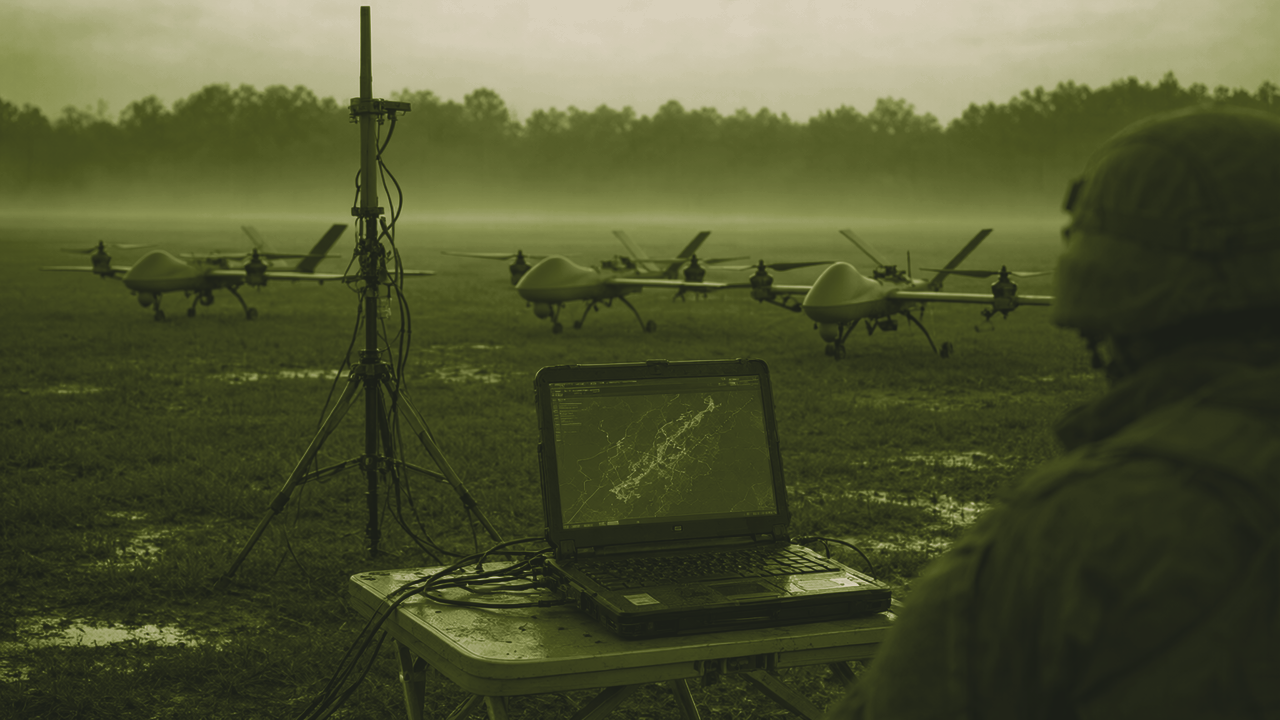
Attackers reached military servers through the software that plans the Vector's missions, and a precautionary flight ban kept the drones out of a Bundeswehr exercise.
Quantum Systems' drones are back in service with the Bundeswehr after a cyberattack led Germany to ground them, the company said Friday in a statement carried by Reuters. The fleet is operating worldwide, and the Bundeswehr was the only customer to pull its aircraft as a precaution, the Gilching-based drone maker said. Germany's defence ministry declined to comment and referred questions to the manufacturer.
Frequently Asked Questions
Were the drones themselves hacked?
No report says so. The malicious file reached servers at the Bundeswehr and other customers but was caught in a check before it reached any aircraft, Der Spiegel reported.
What is QBase?
QBase is Quantum Systems' ground-control and mission-planning software for the Vector reconnaissance drone. The malware was disguised as a routine QBase update on the company's internal update server, per Der Spiegel.
Are the Bundeswehr's drones flying again?
Quantum Systems said on Nov. 13 that its fleet is operating worldwide, including with the Bundeswehr. Germany's defence ministry declined to comment and referred questions to the company, Reuters reported.
Who carried out the attack?
No attacker has been named. Quantum Systems refers only to "hostile actors". Germany's military counterintelligence service MAD, the domestic intelligence agency BfV and the federal IT security office BSI are investigating, according to Der Spiegel.
Were Quantum Systems' operations in Ukraine affected?
That is not clear. The company has more than 200 staff and three joint ventures in Ukraine, and the Financial Times reported it was not known whether those operations were affected.
AI-generated summary, reviewed by an editor. More on our AI guidelines.
Read next — from the Lexicon
Below this point
6 more sections.
The company disclosed the breach a day earlier. It identified a cybersecurity incident at the end of October, and an internal investigation found "an active cyberattack by hostile actors," its Nov. 12 statement reads. Its IT and security teams contained the threat with the authorities, and there is "no risk in operating" its unmanned systems, the statement adds.
Attackers placed malware on an internal update server, disguised as a routine update for QBase, Der Spiegel reported. The file reached servers at the Bundeswehr and at other customers. A check caught it before it reached any aircraft. QBase is the ground-control and mission-planning software for the Vector reconnaissance drone, which the Bundeswehr flies as the Falke.
The precautionary grounding kept Quantum's drones out of a recent exercise, according to the Financial Times, which first reported it on Nov. 12. The flight ban applied inside Germany and ran from the previous Friday afternoon to the start of this week, Handelsblatt wrote, citing the company.
Quantum counts Germany, Spain and the Netherlands as military customers and was valued at €7 billion in a funding round this year, per the Financial Times. It employs more than 200 people in Ukraine, where three joint ventures build small attack drones, interceptors and ground vehicles. Whether those operations were affected is not clear, the newspaper noted. Ukraine's forces also fly the Vector.
Germany's domestic intelligence agency BfV warned in July that defence companies, especially those supporting Ukraine, faced a higher risk of Russian cyberattacks, espionage and sabotage. No one has attributed this attack to Russia or any other state. Companies supporting Ukraine "are being targeted precisely because our work is critically relevant to customers' security," Quantum said.
What to watch: the findings of the three agencies investigating, military counterintelligence (MAD), the BfV and the federal IT security office BSI. No public account says what the file was built to do or names the other customers that received it. Quantum signed a contract in October to supply Ukraine with interceptor drones, per Reuters.

Marcus Schuler
Marcus Schuler edits BattlePolicy, a daily defense-technology brief connecting the companies and capabilities behind modern war to the contest among Europe, the US, Russia, and China.