Ratcliffe puts Russian battlefield survival at 20 to 30 minutes, citing open-source reporting
The CIA director's figure lands as Washington weighs new money for Ukraine's drone programs, and its trail runs back to Russian Telegram channels rather than to independent US collection.
The CIA director's figure lands as Washington weighs new money for Ukraine's drone programs, and its trail runs back to Russian Telegram channels rather than to independent US collection.
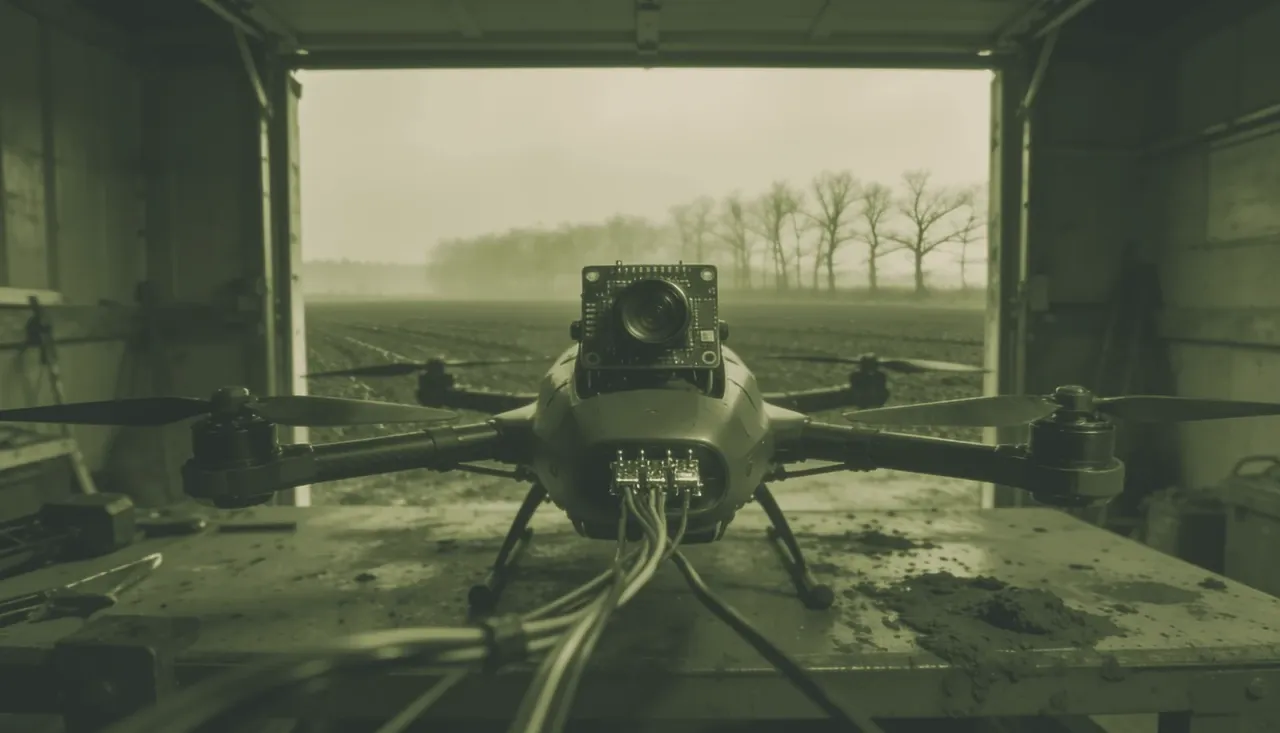
Russian soldiers survive an average of 20 to 30 minutes after reaching the battlefield because of Ukraine's AI attack drones, CIA Director John Ratcliffe said Wednesday at the Pennsylvania Defense and Innovation Summit in Carlisle, Bloomberg reported.
He did not present the figure as CIA collection. "Our intelligence is consistent with some of the open source reporting you may have seen in Ukraine," Ratcliffe said, per the Washington Examiner's account from Carlisle. "That's because AI-powered drones have gotten to be such specialized low-cost killing machines."
That open-source reporting has an address. Oxford historian Peter Frankopan cited Russian military bloggers in a June 25 Foreign Policy essay, writing that Russian fighters "survive an average of 20 to 35 minutes" once sent onto the battlefield. CBS News carried the estimate four days later and stated that it had not independently verified the claim. The bloggers' figure applied once troops reached certain parts of the front. Ratcliffe applied his to any recruit arriving on the battlefield. Frankopan's same passage gives a slower figure for the longer arc: 10 days to three weeks from a training ground to death in a combat zone.
The figures around it are better sourced. CSIS estimated roughly 450,000 Russian troops killed and 1.4 million casualties between February 2022 and June 2026, near 30,000 a month this year. The Hudson Institute put unmanned systems at 70 to 80 percent of 2025 personnel casualties on both sides. IFRI's MilTech report assessed that AI here works mainly as an enabler, computer vision for terminal guidance and target tracking, with humans keeping control of lethal decisions.
The remarks come as Washington and its allies weigh new funding for Ukraine's drone programs and seek access to the technology behind the AI-guided systems, Bloomberg noted. Ratcliffe paired the number with an argument that the US cannot lose the AI race to China, and with his own metric: Russia held 19 percent of Ukraine when he took the job 18 months ago and holds 20 percent now.
The battlefield and the startup story — free in your inbox every week. No paywall.
Subscribe Free →Zelensky touted the first document of an EU "Drone Deal" in Kyiv the same day. Ukraine wants air defense and interceptors it cannot yet build, the Washington Examiner noted, and is offering its autonomy expertise to get them.
Frequently Asked Questions
What exactly did Ratcliffe say?
"Our intelligence is consistent with some of the open source reporting you may have seen in Ukraine, so the average life expectancy of a Russian recruit right now arriving on the battlefield in Ukraine is estimated to be between 20 and 30 minutes," he said at the Pennsylvania Defense and Innovation Summit, according to Bloomberg and the Washington Examiner. He attributed it to AI-powered drones becoming "specialized low-cost killing machines."
Is the 20-to-30-minute figure confirmed?
No. Ratcliffe framed it as CIA intelligence being "consistent with" open-source reporting rather than as independent confirmation. The underlying estimate comes from Russian military bloggers, cited by Oxford historian Peter Frankopan in Foreign Policy. CBS News, which carried the estimate in June, said it had not independently verified the claim.
Where did the number originally come from?
Frankopan's June 25 Foreign Policy essay cited Russian military bloggers estimating that Russian fighters survive an average of 20 to 35 minutes once sent onto the battlefield. The same passage estimates 10 days to three weeks from a recruit's arrival at a training ground to death in a combat zone.
What are the better-sourced Russian casualty figures?
The Center for Strategic and International Studies estimated roughly 450,000 Russian troops killed in battle and 1.4 million casualties between February 2022 and June 2026, with about 30,000 killed or injured monthly in 2026, according to the Washington Examiner. Britain's GCHQ said Russian war deaths have likely reached nearly 500,000.
How much of the killing do drones actually do?
The Hudson Institute estimated unmanned systems caused 70 to 80 percent of Russian and Ukrainian personnel casualties in 2025. President Volodymyr Zelensky has said more than 80 percent of enemy targets are destroyed by drones. Ukraine's defense minister Mykhailo Fedorov has claimed more than 90 percent of enemy casualties.
Are these drones actually autonomous?
Largely not. IFRI's mapping of battlefield technology assessed that AI in the war functions mainly as an enabler rather than an independent decision-maker, covering computer vision for terminal guidance, route correction and target tracking, while human operators retain control over lethal decisions.
AI-generated summary, reviewed by an editor. More on our AI guidelines.

Marcus Schuler
Marcus Schuler edits BattlePolicy, a daily defense-technology brief connecting the companies and capabilities behind modern war to the contest among Europe, the US, Russia, and China.