Russia bets on 500 km/h jet drones as Ukraine's cheap interceptors close in
Ukrainian interceptor drones now down about half of Russia's Shaheds, so Moscow is scaling a faster jet-powered Geran-4 built to outrun them.
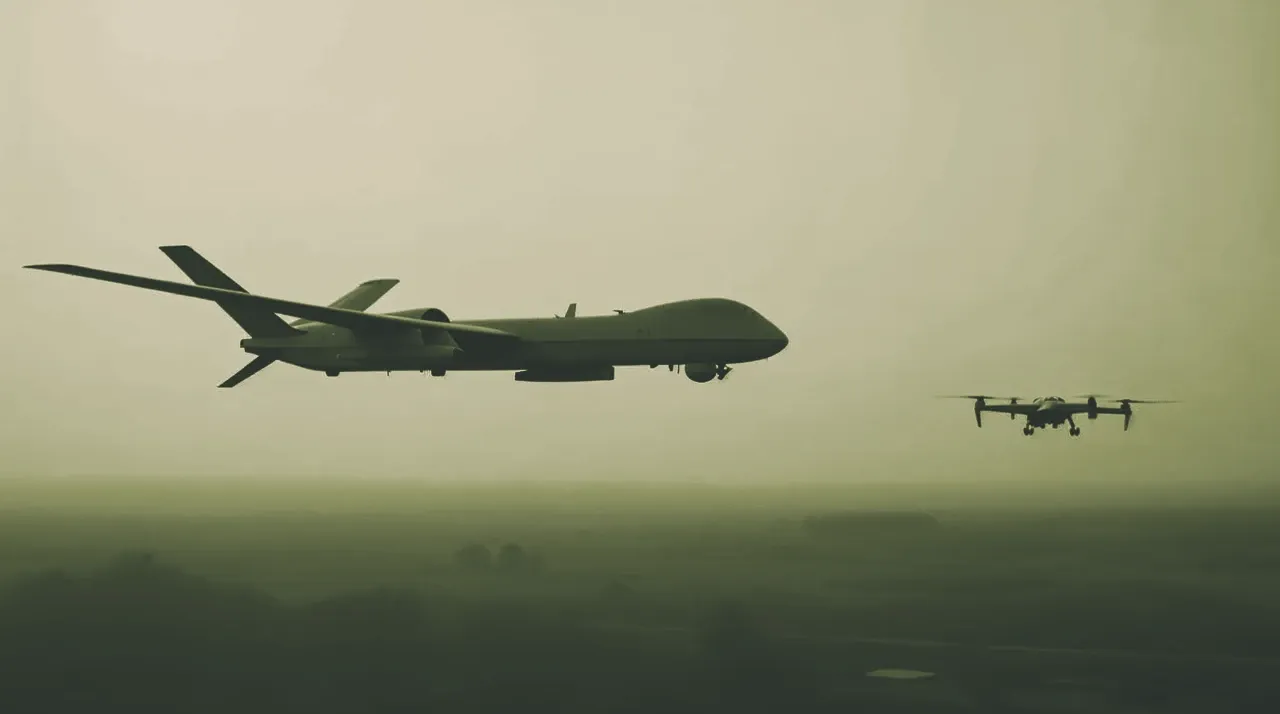
Ukrainian interceptor drones now down about half of Russia's Shaheds, so Moscow is scaling a faster jet-powered Geran-4 built to outrun them.
Ukrainian interceptor drones are knocking down roughly half of Russia's incoming Shahed-type strike drones, up from about 10% over the winter, Defense Minister adviser Serhiy "Flash" Beskrestnov told a national telethon on June 3, according to Euromaidan Press and RBC Ukraine. To outrun those interceptors, Russia is preparing to scale up its jet-powered Geran-4, built to fly 400 to 500 km/h.
Ukraine's military intelligence directorate, HUR, calls the Geran-4 a direct countermeasure to those interceptors. It first flew in combat over Ukraine in May, runs on a Chinese-made Telefly turbojet rated at 160 kgf of thrust, and carries a 50-kilogram thermobaric or high-explosive warhead to about 450 kilometers, HUR's War and Sanctions portal noted. A jet at that speed gives Ukraine's slower, cheaper interceptor drones far less time to climb and close.
Beskrestnov put it in economic terms: once Ukrainian interception clears 70 to 80%, fielding standard piston Shaheds, built for cheap mass production rather than survivability, stops paying off for Russia. Commander-in-Chief Oleksandr Syrskyi said on June 4 that Moscow plans to push jet drones toward half of each strike package, the Kyiv Post wrote, even after Ukraine downed more than 3,500 Russian drones in May.
Ukrainian makers are already building faster interceptors to chase the jets. General Chereshnya, with STRIX, has fielded interceptors clocked near 600 km/h against jet Shaheds, Archytele detailed. Germany's Quantum Systems, a close Kyiv partner, is chasing a 700 km/h interceptor, per Defence-UA. Defense Minister Mykhailo Fedorov said Kyiv is also scaling low-cost interceptor missiles before the autumn strike season.
The battlefield and the startup story — free in your inbox every week. No paywall.
Subscribe Free →Both the Geran-4's turbojet and much of Russia's drone supply chain run on Chinese parts, and Russian aviation output rose 117% year-on-year in April, Bloomberg noted. Whether Ukraine's interception rate keeps climbing, or the faster airframes flatten it, will decide how Moscow trades drone speed against drone volume through the second half of 2026.
Frequently Asked Questions
What is the Geran-4?
It is a jet-powered version of Russia's Shahed-type one-way attack drone. Ukraine's military intelligence directorate (HUR) says it first flew in combat over Ukraine in May 2026, runs on a Chinese-made Telefly turbojet rated at 160 kgf of thrust, and carries a 50-kilogram warhead to about 450 kilometers.
How fast is it compared with a normal Shahed?
Defense Minister adviser Serhiy Beskrestnov said the Geran-4 is built to fly 400 to 500 km/h, far faster than the piston-engine Shaheds Russia has used for nightly strikes, according to Euromaidan Press and RBC Ukraine.
Why is Russia switching to jet drones now?
Beskrestnov told a June 3 national telethon that Ukrainian interceptor drones now down about half of incoming Shaheds, up from roughly 10% in winter. He said once interception clears 70 to 80%, cheap piston Shaheds stop paying off, pushing Russia toward faster airframes.
How is Ukraine responding?
Per Archytele, maker General Chereshnya, with STRIX, has built interceptors clocked near 600 km/h to chase jet Shaheds. Defence-UA noted Germany's Quantum Systems is chasing a 700 km/h interceptor, and Defense Minister Mykhailo Fedorov said Kyiv is scaling low-cost interceptor missiles.
How many jet drones does Russia plan to use?
Commander-in-Chief Oleksandr Syrskyi said on June 4 that Russia plans to push jet drones toward half of each strike package, the Kyiv Post said, even after Ukraine downed more than 3,500 Russian drones in May.

Marcus Schuler
Marcus Schuler edits BattlePolicy, a daily defense-technology brief connecting the companies and capabilities behind modern war to the contest among Europe, the US, Russia, and China.