S-125 Neva/Pechora (SA-3 Goa)
A Soviet low-to-medium-altitude surface-to-air missile system whose modernized descendants remain in service, including Polish Newa SC and Ukrainian Pechora-2D batteries.
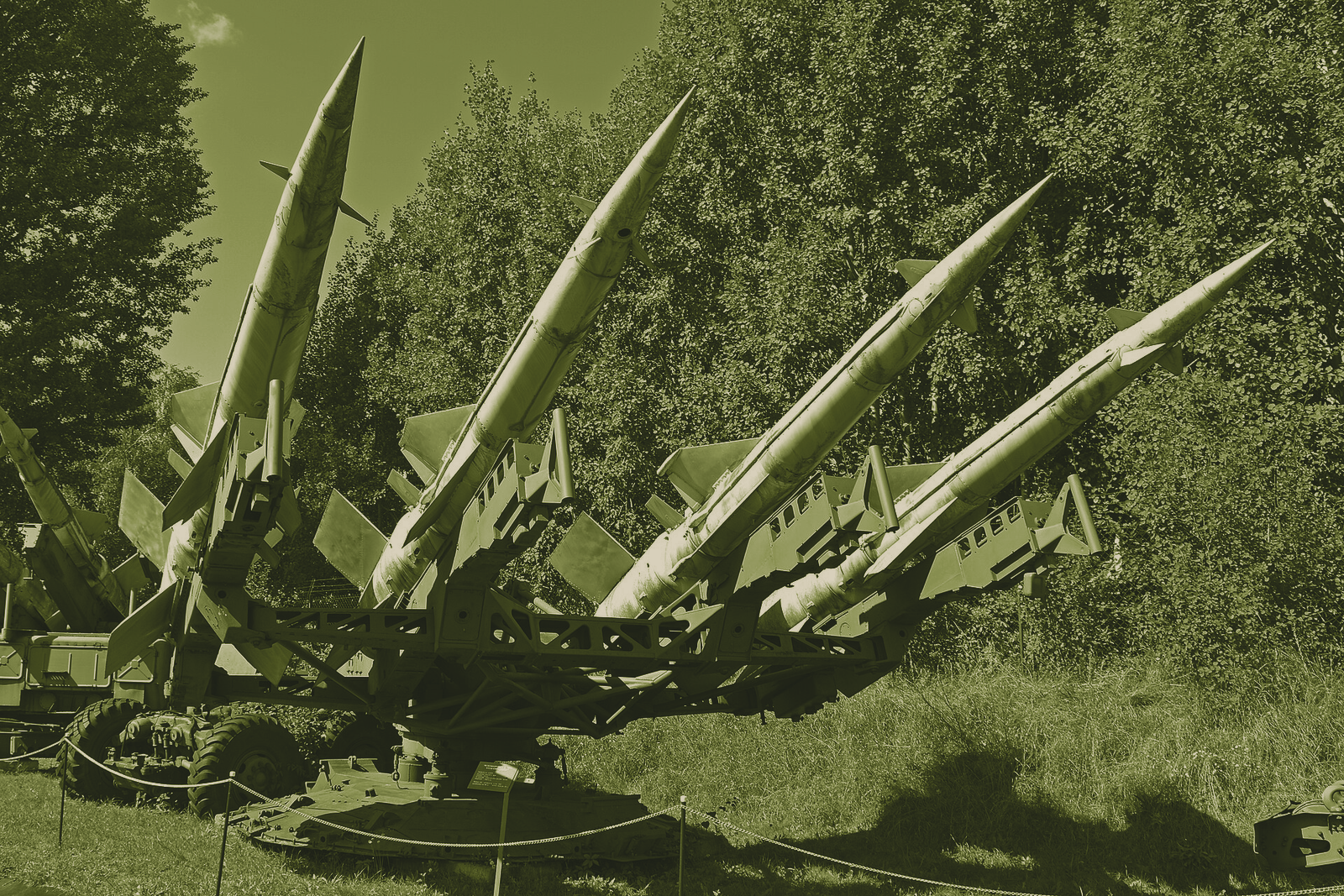
.jpg)
A Soviet low-to-medium-altitude surface-to-air missile system developed to engage manoeuvring and low-flying targets below the preferred engagement bands of earlier strategic SAMs.
Overview
The S-125 Neva, exported as the Pechora and designated SA-3 Goa by NATO, is a Soviet surface-to-air missile system designed for low-to-medium-altitude defense. Developed by the Almaz Central Design Bureau, it complemented the higher-altitude S-25 and S-75 with shorter-ranged but more manoeuvrable two-stage interceptors. The system uses radio-command guidance and normally combines an SNR-125 engagement radar with separate acquisition and height-finding radars.
The S-125 entered deployment around Moscow during the early 1960s and subsequently became one of the Soviet Union's most widely distributed air-defense systems. Its longevity derives less from its original performance than from repeated national modernization programs. Russian and Belarusian Pechora upgrades, Poland's self-propelled Newa SC and Ukraine's S-125-2D replaced analogue electronics, improved mobility or introduced revised missiles while retaining the basic architecture.
Modernized S-125 batteries remain relevant principally as supplementary defenses against aircraft, cruise missiles and uncrewed targets. They lack the range, multi-target capacity and rapid displacement of newer medium-range systems, but trained crews, existing missile stocks and upgraded electronics can still give the type operational value. The system's best-known engagement occurred in 1999, when a Yugoslav battery shot down a United States Air Force F-117A, the only recorded loss of a stealth aircraft to hostile fire.
🔒 The full S-125 Neva/Pechora (SA-3 Goa) file is for BattlePolicy Pro members. Below the line: development history, design and capabilities, variants, the combat record, advantages and limitations, comparable systems, outlook, the full specifications table, our sourcing, and the analyst assessment — procurement, suppliers and the BattlePolicy verdict. Unlock the full file with BattlePolicy Pro →
Below this point
- Development
- Design & capabilities
- Variants
- Combat record / operational use
- Advantages
- Drawbacks / limitations
- Counterparts
- Outlook
- Key specifications
- Sources
- Analyst Section
- Procurement & contracts
- Suppliers & related companies
- Comparable systems — analyst view
- Analyst note