A Gripen Was Cleared to Fire Over Poland. Its Pilot Could Not Identify the Target
Two Russian missiles and a jet drone came down in Poland on Nov. 20 with fighters airborne, Patriots activated and pilots pre-authorised to shoot. The one failed step Warsaw has documented is identification, and the sensors Poland bought to fix that arrive in 2027 and 2028.
Two Russian missiles and a jet drone came down in Poland on Nov. 20 with fighters airborne, Patriots activated and pilots pre-authorised to shoot. The one failed step Warsaw has documented is identification, and the sensors Poland bought to fix that arrive in 2027 and 2028.
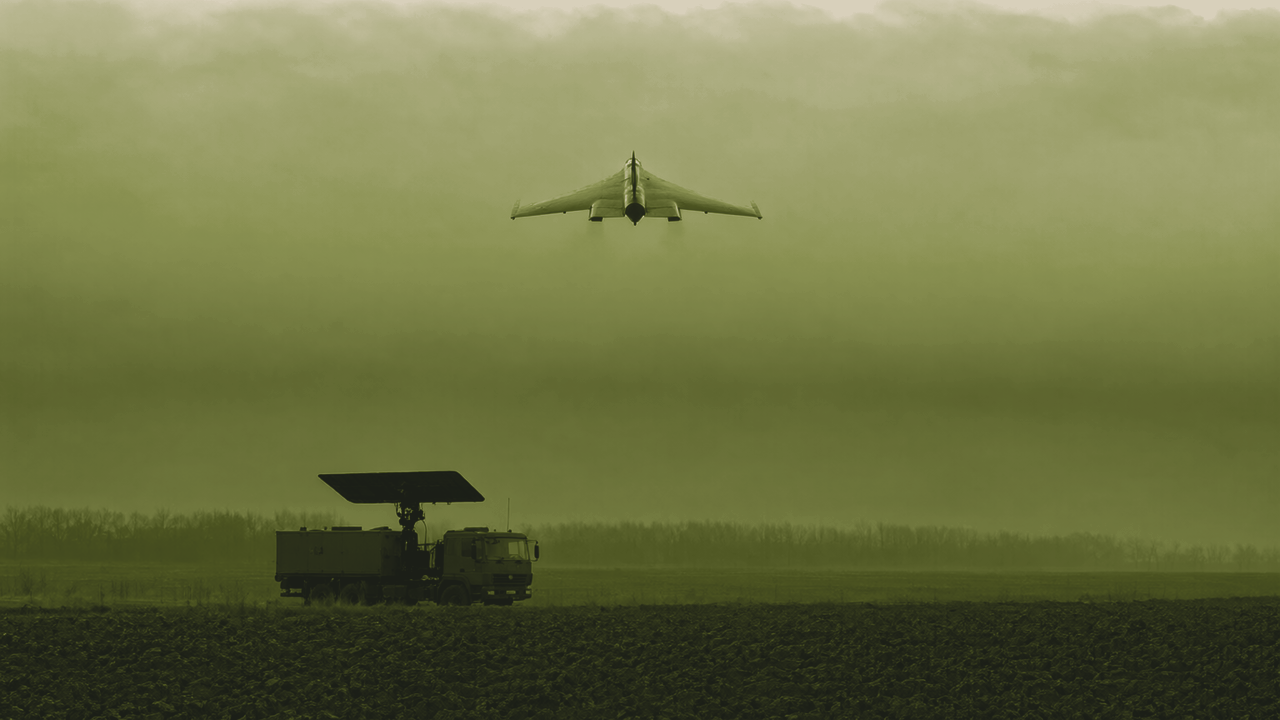
Poland had the aircraft, the batteries and the firing authority in place on Nov. 20, and three Russian weapons still came down on its territory untouched. The commander of Poland's Operational Command, Gen. Ireneusz Nowak, said Swedish Gripen pilots tried to intercept what was most likely a Kh-101 cruise missile, and one "reported that they were unable to carry out a visual or electro-optical identification of the object because of the extremely difficult weather conditions." Nobody fired.
Three objects, four fighters, no shot
Defence Minister Wladyslaw Kosiniak-Kamysz named three impact sites in southeastern Poland from the overnight Russian attack on Ukraine: a Kh-101 at Nowy Lipowiec in Bilgoraj county, a second likely missile at Rudnik nad Sanem and what was most likely a jet-powered drone at Molodycz. Nobody was hurt and no critical infrastructure was damaged. The Kh-101 spent about three minutes over Polish territory, he said.
Nowak counted 11 objects that threatened Polish airspace, three of which crossed. A yellow alert ran from 01:40 to 05:49 and a red alert until 07:00. Two Polish F-16s from Lask and two Swedish Gripens flying from Minsk Mazowiecki were in the air, with a Polish Saab 340 early-warning aircraft and a Dutch MRTT tanker in support. Patriot batteries near Rzeszow-Jasionka and Swidnik were activated, along with Poprad and Pilica+ short-range systems.
The Gripens flew under NATO's Combined Air Operations Centre at Uedem, Germany, which had issued a Condition-Based Order letting the pilots decide for themselves whether to shoot. "No weapons were used that night. Not all the conditions for using a weapon system were met," Nowak said. He has not said which other conditions were missing.
Rzeszow-Jasionka, the main logistics hub for Western aid to Ukraine, evacuated its control tower for the first time, Infrastructure Minister Dariusz Klimczak said. Prime Minister Donald Tusk called the incursion "an intentional provocation" and offered, as a hypothesis, a link to Coalition of the Willing exercises under way at nearby Nowa Deba with troops from 11 countries.
Kosiniak-Kamysz told the defence ministers watching those drills what Poland is short of. "We need our reconnaissance systems reinforced, because the ones we ordered some time ago have not yet fully arrived in Poland," he said.
Frequently Asked Questions
What crashed in Poland on Nov. 20?
Defence Minister Wladyslaw Kosiniak-Kamysz said three Russian objects violated Polish airspace during the overnight attack on Ukraine: a Kh-101 cruise missile at Nowy Lipowiec, a second likely missile at Rudnik nad Sanem and what was most likely a jet-powered drone at Molodycz. Nobody was hurt and no critical infrastructure was damaged.
Why were the objects not shot down?
Gen. Ireneusz Nowak, head of Poland's Operational Command, said Swedish Gripen pilots tried to intercept what was most likely a Kh-101, but one could not identify it visually or with electro-optical sensors because of the weather. "Not all the conditions for using a weapon system were met," he said. He did not list the other conditions.
Did the pilots have permission to fire?
Yes. NATO's Combined Air Operations Centre at Uedem issued a Condition-Based Order that let the pilots decide, according to Nowak. Deputy Defence Minister Cezary Tomczyk said both the Swedish and the Polish pilots held pre-authorisation orders.
What is the Barbara program and when does it arrive?
Barbara is four tethered radar aerostats Poland ordered from the United States in May 2024 for about 4 billion zloty, with a detection range of more than 300 km against low-flying targets. The first was due by the end of 2026. The defence ministry told Dziennik Gazeta Prawna it now expects the first in about a year and the full system by the end of 2028; the Armament Agency has said the second quarter of 2027.
What is SAN?
SAN is Poland's counter-drone system: 18 batteries ordered in January 2026 from PGZ and Kongsberg for 15 billion zloty, combining guns, guided rockets, interceptor drones and electronic warfare. The defence ministry says deliveries, first planned for the end of 2026, start in 2027.
What is Poland asking NATO for?
Kosiniak-Kamysz said he will ask Secretary General Mark Rutte for more forces under Operation Eastern Sentry, specifically an additional AWACS aircraft and F-35 fighters. Rutte is due in Warsaw on Nov. 21.
AI-generated summary, reviewed by an editor. More on our AI guidelines.
Read next — from the Lexicon
Below this point
- Authority reached the cockpit
- 800 km/h, two possible weapons
- Barbara: a $1 billion sensor, two delivery dates
- SAN: 18 batteries, waiting on software
- What Warsaw asks Rutte for

Marcus Schuler
Marcus Schuler edits BattlePolicy, a daily defense-technology brief connecting the companies and capabilities behind modern war to the contest among Europe, the US, Russia, and China.