Shield AI flies a V-BAT and Hornet strike drones as one autonomous team
Shield AI says one AI flew a V-BAT and Destinus Hornet drones as a single team in Oklahoma, a milestone arriving days after a Reuters investigation into V-BAT crashes and a whistleblower's claims about its autonomy.
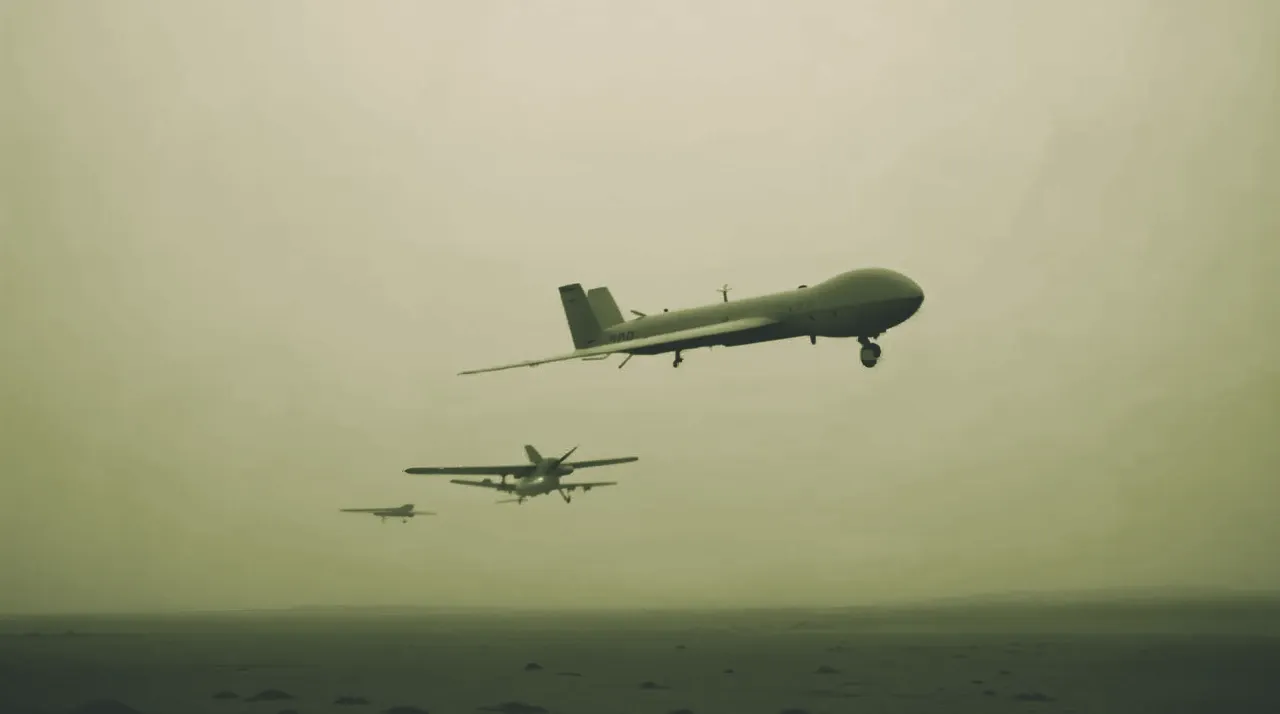
Shield AI says one AI flew a V-BAT and Destinus Hornet drones as a single team in Oklahoma, a milestone arriving days after a Reuters investigation into V-BAT crashes and a whistleblower's claims about its autonomy.
Shield AI's Hivemind software flew its first autonomous multi-platform teaming flight in Oklahoma, coordinating a V-BAT and multiple Destinus Hornet drones with no human hand on any single aircraft, Defence Blog reported.
Rather than scout, the V-BAT flew as an airborne mesh relay between the ground station and the faster Hornets, holding the data link when range or jamming would otherwise break it, while Hivemind ran the formation and pushed live mission changes in flight, Destinus, the Swiss-Spanish maker of the Hornet interceptor, said. Operators set the mission and the constraints, and the software handled the coordination and the in-flight adaptation.
Defence Blog framed the mix of airframes as the significant part. Aircraft with different roles and different communications stacks operated as one unit under a single autonomy stack, the arrangement militaries expect to define unmanned operations. Hivemind has now piloted 30 vehicle classes, TipRanks noted. Coordinating aircraft it did not originally fly, and holding the mesh together under jamming, is what lets one operator run many drones at once, the outlet wrote.
The flight was announced days after a Reuters investigation found the V-BAT had crashed more than 50 times in 18 months and tied it to a May 12 accident that severed a Romanian Navy officer's fingers. A whistleblower suit alleged Shield AI once told the Greek military a V-BAT was flying autonomously while a pilot held the controls, Reuters reported. Shield AI, valued at $12.7 billion, called the claims meritless.
The battlefield and the startup story — free in your inbox every week. No paywall.
Subscribe Free →Destinus said follow-on validation is planned as the two companies scale the integration across more systems.
Frequently Asked Questions
What did Shield AI demonstrate in Oklahoma?
According to Defence Blog, Shield AI's Hivemind software completed its first autonomous multi-platform teaming flight, coordinating a V-BAT and multiple Destinus Hornet drones with no direct human control of each aircraft.
What role did the V-BAT play?
Defence Blog and Destinus said the V-BAT acted as an airborne mesh relay between the ground station and the Hornets, keeping the data link alive when range or jamming would otherwise degrade it, rather than serving as a reconnaissance asset.
What is Destinus and the Hornet?
Destinus is the Swiss-Spanish defense maker of the Hornet, a high-speed strike and interceptor drone. Destinus said the flight was the first step in a joint campaign with Shield AI, with more systems to follow.
Why does multi-platform teaming matter?
Defence Blog reported that airframes with different roles and communications stacks flew as one unit under a single AI. TipRanks noted Hivemind has now piloted 30 vehicle classes. The model lets one operator oversee many autonomous aircraft in contested airspace.
Why is the timing notable?
Reuters reported days earlier that the V-BAT had crashed more than 50 times in 18 months and tied it to a May 12 injury that severed a Romanian officer's fingers, and that a whistleblower suit alleged Shield AI once told the Greek military a V-BAT was flying autonomously while a pilot held the controls. Shield AI called the claims meritless.
AI-generated summary, reviewed by an editor. More on our AI guidelines.

Marcus Schuler
Marcus Schuler edits BattlePolicy, a daily defense-technology brief connecting the companies and capabilities behind modern war to the contest among Europe, the US, Russia, and China.