Ukraine
Musk Ordered the Starshield Slowdown That Disrupted Ukrainian Drones, WSJ Reports
The report puts SpaceX's owner behind a speed cap on the satellite link that carries Ukraine's mid-range strike drones and Shahed interceptors.
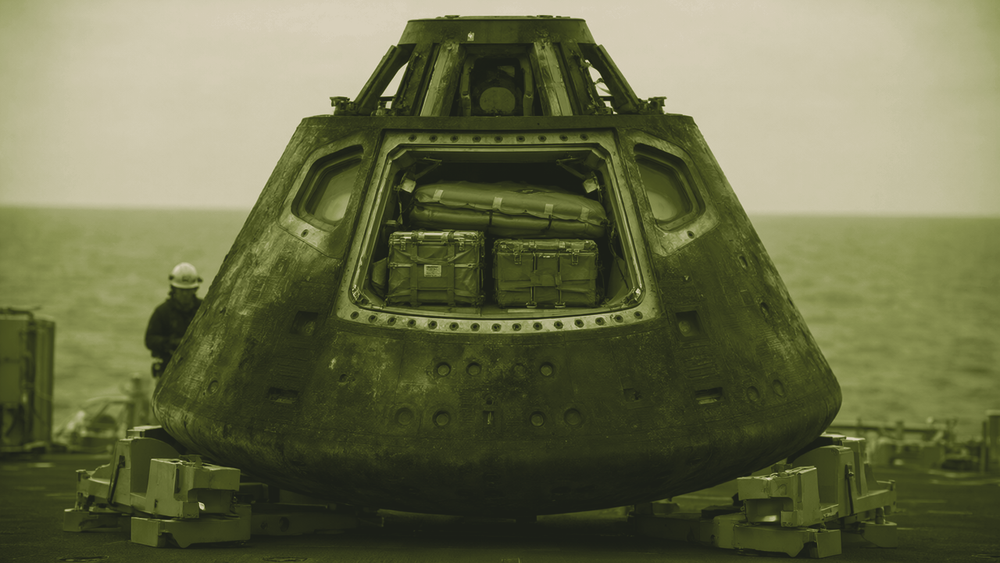
AFRL's Oct. 20 test put military supplies inside a one-ton-class commercial reentry capsule, the vehicle class the Air and Space Forces now favor over the 30-ton rocket deliveries Rocket Cargo began with.
The report puts SpaceX's owner behind a speed cap on the satellite link that carries Ukraine's mid-range strike drones and Shahed interceptors.
A reported Patriot run-out, missing launch warnings and a 160 km/h cap on drone links arrived in the same week. The refinery campaign Kyiv resumed depends on none of them.
A presidential adviser says the cap threatens the interceptor drones he calls Ukraine's most effective defense against jet-powered Shaheds.
Russian drones knocked out Kyiv data centers serving 100,000 households, and the same night a fire disabled a Starlink ground station in Poland that Warsaw says was set to cut the Ukrainian army's internet.
Kyiv wants to strike the launchers behind Russia's ballistic attacks, but SpaceX controls whether its drones can cross the border with satellite guidance.
Russia has begun fielding Volna Kupol Garant jammers that blank Starlink over 20 square kilometers, the network most of Ukraine's long-range strike drones fly on, Reuters reports, but the complexes radiate a signature loud enough to become targets.
The Pentagon's main launch and spy-satellite contractor took foreign, military-linked capital while private, a national-security and ownership question now surfacing through court records.
SpaceX's Starshield is a government/military satellite-communications constellation built on the Starlink bus—providing secure, high-assurance connectivity and hosting classified payloads for US national-security users.