Ukraine Says SpaceX Caps Starshield at 100 MPH, Disrupting Drone Missions
A presidential adviser says the cap threatens the interceptor drones he calls Ukraine's most effective defense against jet-powered Shaheds.
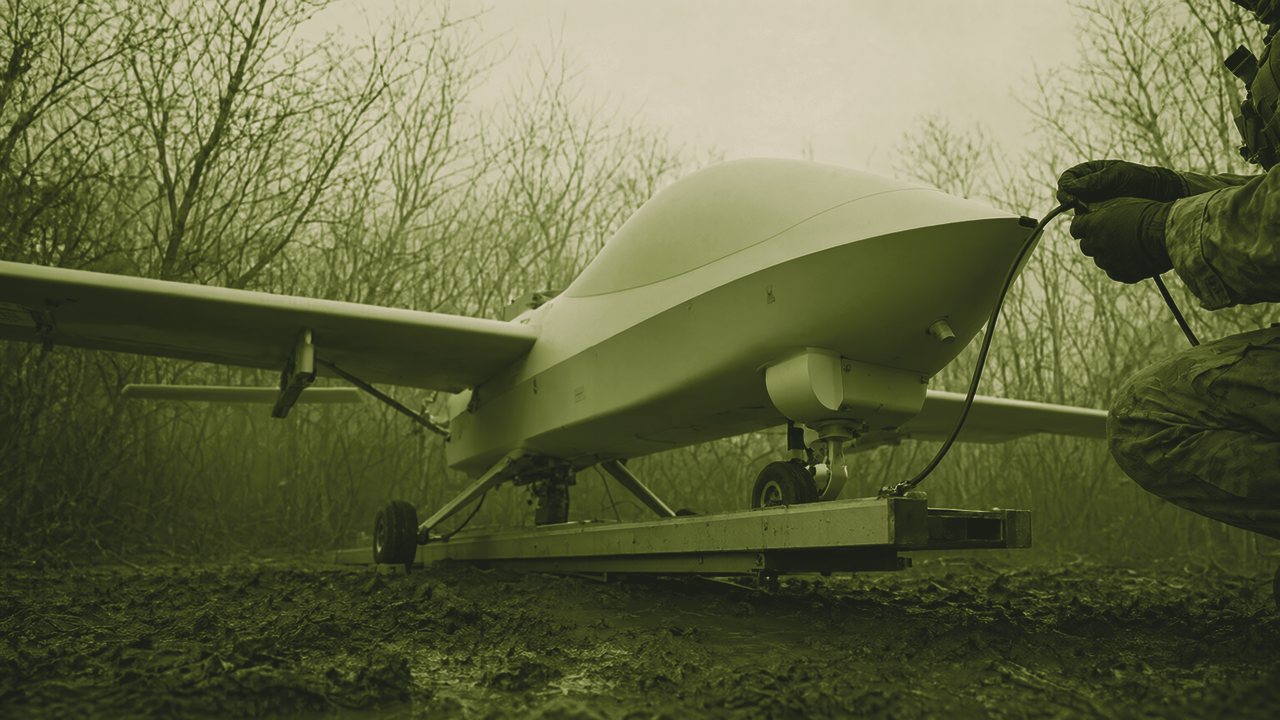
A presidential adviser says the cap threatens the interceptor drones he calls Ukraine's most effective defense against jet-powered Shaheds.
SpaceX imposed a 100 mph (160 km/h) limit on Starshield terminals in motion overnight Oct. 13-14 without warning Ukrainian forces, presidential adviser Serhii Beskrestnov said on Telegram. The restriction applies to the "military service package" of Starshield, the military version of Starlink. He said it disrupted several missions.
Frequently Asked Questions
What did SpaceX change?
Presidential adviser Serhii Beskrestnov said SpaceX capped Starshield terminals in motion at 100 mph (160 km/h) overnight Oct. 13-14, without warning Ukrainian forces.
Which missions are affected?
Defense Ministry sources told Business Insider that mid-range strikes, front-line logistics and air-defense intercepts are disrupted. The 7th Rapid Reaction Corps said connections dropped at 110-120 km/h and one unit canceled missions.
Why does it matter for air defense?
Beskrestnov called Starlink-linked interceptors Ukraine's most effective solution against jet-powered Shaheds. Ukraine's Defense Intelligence puts the jet-powered Geran-4 at 300-400 km/h.
Are static Starlink terminals affected?
The Guardian said there were no reports of cuts to static terminals. The restriction concerns terminals in motion.
What is Ukraine doing about it?
Ministry sources told Ukrainska Pravda the Defense Ministry is in contact with the US, SpaceX and NATO, collecting data from units and setting up backup channels.
AI-generated summary, reviewed by an editor. More on our AI guidelines.
Read next — from the Lexicon
Below this point
7 more sections.
Connections dropped for 10-20 seconds at just 110-120 km/h in the Huliaipole sector, the 7th Rapid Reaction Corps said. The drones kept flying but became harder to control, and one unit canceled missions.
Some units lost the link at speeds as low as 45 mph, Defense Ministry sources told Business Insider. They named mid-range strikes, front-line logistics and air-defense intercepts. Starlink-equipped drones can be flown by pilots hundreds of miles away and retargeted mid-mission, the outlet wrote.
Beskrestnov called Starlink-linked interceptors "the most effective solution" against jet-powered Shaheds. Ukraine's Defense Intelligence puts the Geran-4 at 300-400 km/h. A 160 km/h link would not support high-speed interception if the drone needs the satellite connection for its whole flight, AeroTime assessed, and the effect varies with each interceptor's communications design and onboard autonomy.
Shahed interception rates had already fallen from more than 90% to about 60% after Russia moved to jet engines in early summer, according to the Guardian, which said there were no reports of cuts to static terminals.
Polish Foreign Minister Radosław Sikorski, whose government helps fund Ukraine's Starlink service, asked Elon Musk whether he was "playing politics" with his products again.
Beskrestnov tied the cap to "the current political situation" without offering evidence. SpaceX did not immediately respond to a request for comment.
SpaceX has not said whether the cap is temporary. Kyiv's Defense Ministry is in contact with the US, SpaceX and NATO, collecting data from units and setting up backup channels, ministry sources told Ukrainska Pravda.

Marcus Schuler
Marcus Schuler edits BattlePolicy, a daily defense-technology brief connecting the companies and capabilities behind modern war to the contest among Europe, the US, Russia, and China.