The Repair Clock Behind Ukraine’s 45% Refinery Claim
Kyiv's strike ledger overstates the Russian refining capacity offline at one time. The harder metric is whether repeat strikes keep plants broken faster than Moscow can repair them, and that is the leverage Trump wants frozen.
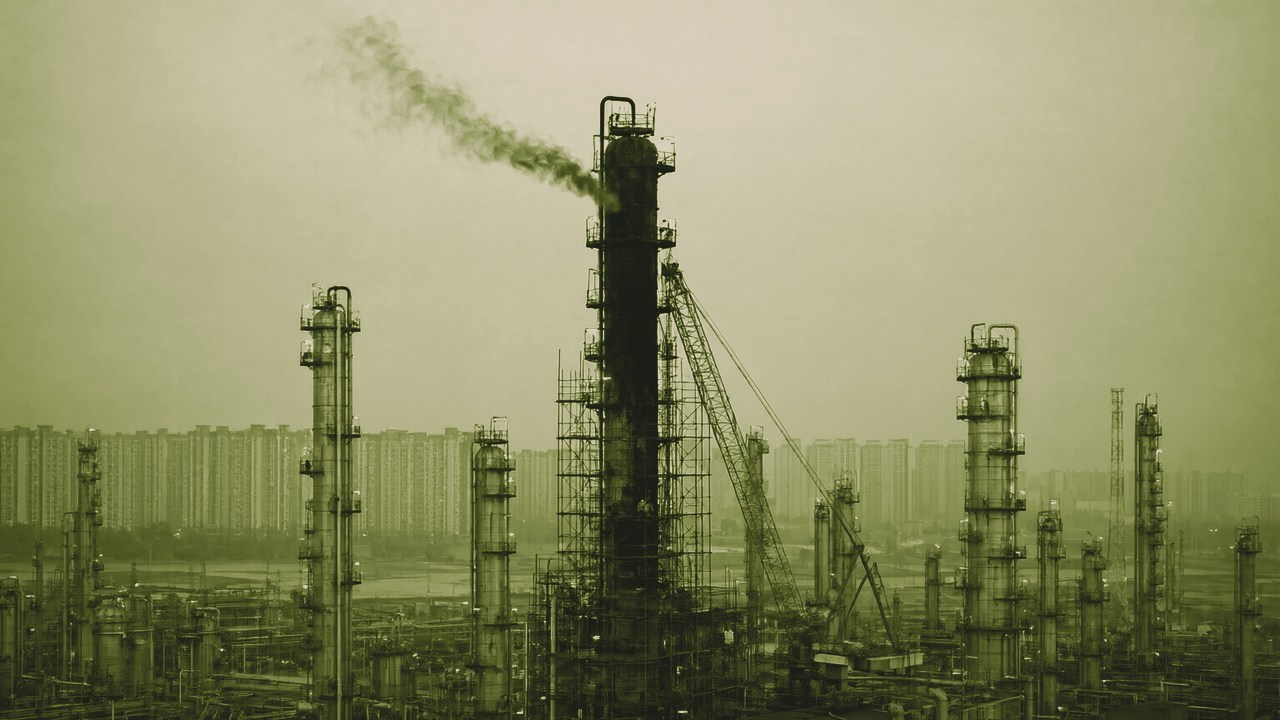
Kyiv’s strike ledger overstates the capacity offline at one time. The harder metric is whether repeated attacks can keep Russian plants broken faster than Moscow can repair them, and that is the leverage Trump wants frozen.
Ukraine’s Sept. 21 claim that strikes have disabled more than 45% of Russia’s oil-refining design capacity is best read as a cumulative ledger of plants and units hit, not a snapshot of capacity offline that day. The General Staff said the figure followed the Sept. 20 strike on Gazprom Neft’s Moscow Oil Refinery in Kapotnya and covered its operations from Sept. 14 through Sept. 20. It offered no plant-by-plant calculation.
The distinction decides how much pressure the campaign exerts. A damaged unit that restarts after two weeks remains on a strike ledger but stops contributing to the fuel deficit. The operational measure, and the one President Donald Trump is bargaining over, is how much capacity stays offline simultaneously and whether Ukraine can reset Russia’s repair clock before production resumes.
Three refineries in six days
The General Staff’s weekly summary listed three refinery strikes. Ukraine hit the AVT-6 primary unit and a tank farm at Syzran in the Samara region on the night of Sept. 15. It struck the AVT-3 unit at Slavneft-YANOS in Yaroslavl, a refinery with annual capacity of about 15 million tonnes, on Sept. 17. On Sept. 20, it hit Moscow’s AVT-6, a combined refining unit and an isomerization unit. The General Staff claimed the campaign had sharply reduced Russian output of Euro-5/K5 gasoline and diesel.
Three industry sources told Reuters that fires at both of Moscow’s primary crude-distillation units halted crude processing and could require several weeks of repairs. Fuel from the plant has not appeared on the St. Petersburg Exchange since Sept. 21. The refinery processes roughly 12 million tonnes a year, and bne IntelliNews puts its share of Moscow’s fuel at about 40%.
ISW assessed that the Sept. 19-20 operation was Ukraine’s largest strike package against Russia since February 2022. Moscow Mayor Sergei Sobyanin claimed Russian defenses had downed more than 1,600 drones since Sept. 19, including 450 approaching Moscow. The refinery sits roughly 450 kilometers from the Ukrainian border.
Frequently Asked Questions
Has Ukraine really knocked out 45% of Russia's refining capacity?
That is a claim by Ukraine's General Staff, made on Sept. 21, that more than 45% of Russia's design refining capacity has been disabled. It gave no method. Fire Point, a Ukrainian drone maker, puts capacity offline at about 14% after the Moscow strike, so the 45% most plausibly counts every unit hit during the campaign, including repaired ones.
Is the Moscow Oil Refinery shut down?
Three industry sources told Reuters that Gazprom Neft's Moscow refinery halted crude processing after fires at both primary distillation units on Sept. 20, with repairs likely to take several weeks. After a June strike, the plant restarted sooner than predicted, per Meduza.
Why does repair speed matter more than the strike count?
A unit that restarts in two weeks stops adding to Russia's fuel deficit. In September, Ukraine hit Saratov as it prepared to restart and struck Yaroslavl and Syzran while other units at both plants were still under repair, per Reuters' industry sources.
How is the damage affecting Russia's fuel market?
Three of Russia's six largest diesel refineries cut or halted output in September, according to Reuters calculations. Gasoline output covered only about 70% of domestic demand at the end of August, and at least 17 regions restrict fuel sales, per Kyiv Post.
What is at stake in the Sept. 22 Trump-Zelensky meeting?
The leaders are due to discuss a mutual pause on energy and Black Sea strikes at the UN General Assembly, per the Kyiv Independent. A pause would give Russia the weeks it needs to repair Moscow, Yaroslavl, Syzran and Saratov.
AI-generated summary, reviewed by an editor. More on our AI guidelines.
Below this point
- Three measures of damage
- Moscow, Saratov, Syzran and Yaroslavl
- Six diesel refineries
- Trump’s Sept. 22 meeting
- What to watch

Marcus Schuler
Marcus Schuler edits BattlePolicy, a daily defense-technology brief connecting the companies and capabilities behind modern war to the contest among Europe, the US, Russia, and China.