Type 12 Surface-to-Ship Missile
Japan's counterstrike missile — the upgraded Type 12 stretches a once-coastal anti-ship weapon to ~1,000 km, adds stealth shaping, terrain-following and evasive maneuvers, and can hit ships or land targets from ground launchers, ships and aircraft. The spearhead of Tokyo's new strike posture.
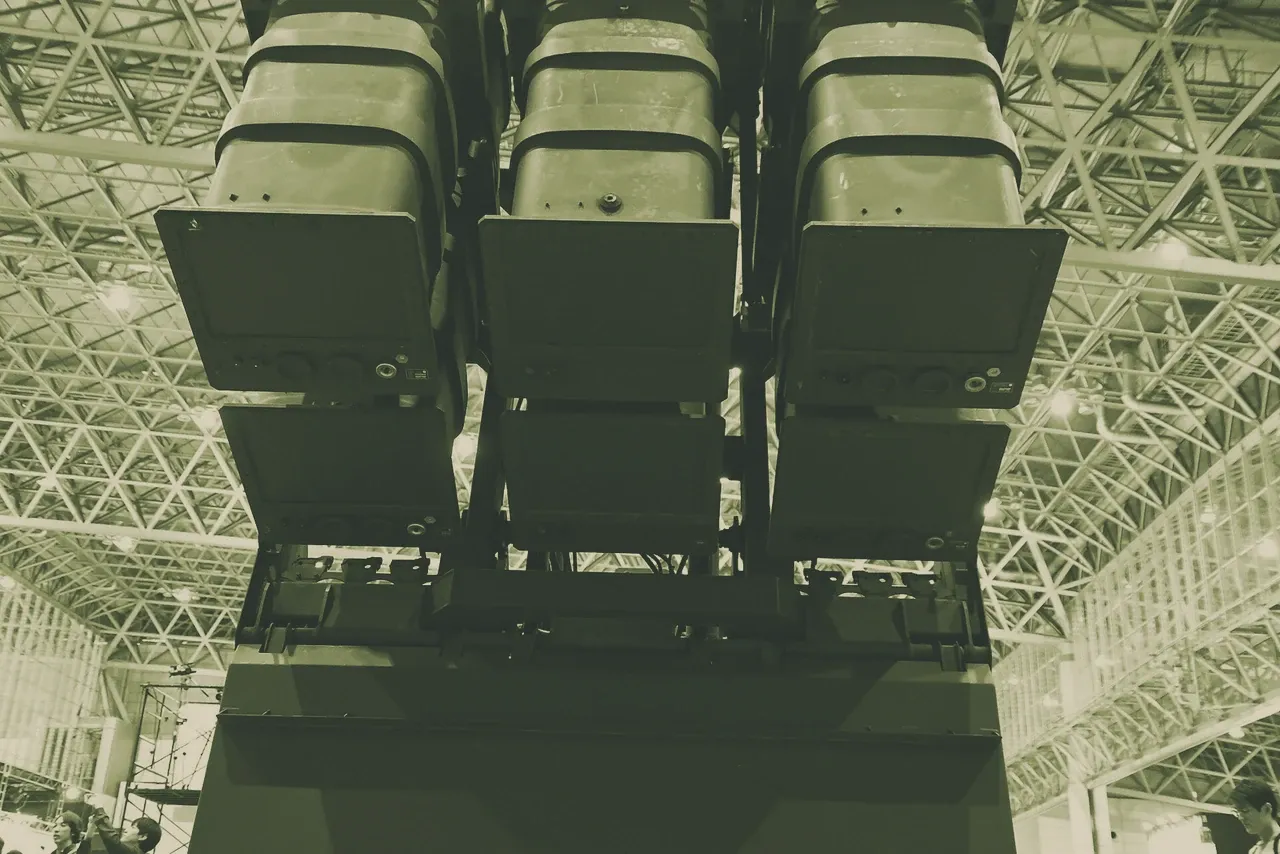
_missile_canister_bottom_view_at_Niconico_chokaigi_April_28,_2018.jpg)
Japan's counterstrike missile — the upgraded Type 12 takes a weapon that began life as a short-ranged coastal anti-ship missile and stretches it to roughly 1,000 km, adds stealth shaping, terrain-following flight and evasive maneuvers, and makes it launchable from ground vehicles, warships and aircraft against both ships and land targets. It is the spearhead of one of the most significant shifts in Japan's postwar defence posture: the acquisition of long-range "counterstrike" capability able to hold an adversary's forces — and bases — at risk far from Japan's shores.
Overview
The Type 12 Surface-to-Ship Missile (SSM) is a Japanese anti-ship missile developed by Mitsubishi Heavy Industries, originally a truck-mounted coastal-defence weapon fielded in 2014 to deny hostile warships access to Japan's maritime approaches. Its transformation is the story: Japan has developed a heavily upgraded ("Improved" or "Upgraded") Type 12 with vastly greater range — reported in the 900–1,000 km class, up from around 200 km — plus a low-observable (stealth) airframe, terrain-following flight, evasive ("corkscrew") maneuvers, and networked, GPS-aided precision guidance. Crucially, it is being fielded in ground-, ship- and air-launched versions and given a land-attack capability, making it the core domestic weapon of Japan's new counterstrike (long-range strike) strategy. The Type 12 thus evolved from a defensive coastal missile into a standoff strike weapon at the centre of Japan's most consequential military shift in decades.
🔒 The full Type 12 Surface-to-Ship Missile file is for BattlePolicy Pro members. Below the line: development history, design and capabilities, variants, the combat record, advantages and limitations, comparable systems, outlook, the full specifications table, our sourcing, and the analyst assessment — procurement, suppliers and the BattlePolicy verdict. Unlock the full file with BattlePolicy Pro →
Below this point
- Development
- Design & capabilities
- Variants
- Combat record / operational use
- Advantages
- Drawbacks / limitations
- Counterparts
- Outlook
- Key specifications
- Sources
- Analyst Section
- Procurement & contracts
- Suppliers & related companies
- Comparable systems — analyst view
- Analyst note