Ukraine codifies the MAC OWL 'Sova', an MRAP built to carry a 10-module jamming dome against FPV drones
Ukraine's MoD codified the MAC OWL 'Sova' MRAP, designed to mount up to 10 electronic-warfare modules into a jamming dome against the FPV drones now hunting vehicles across the front.
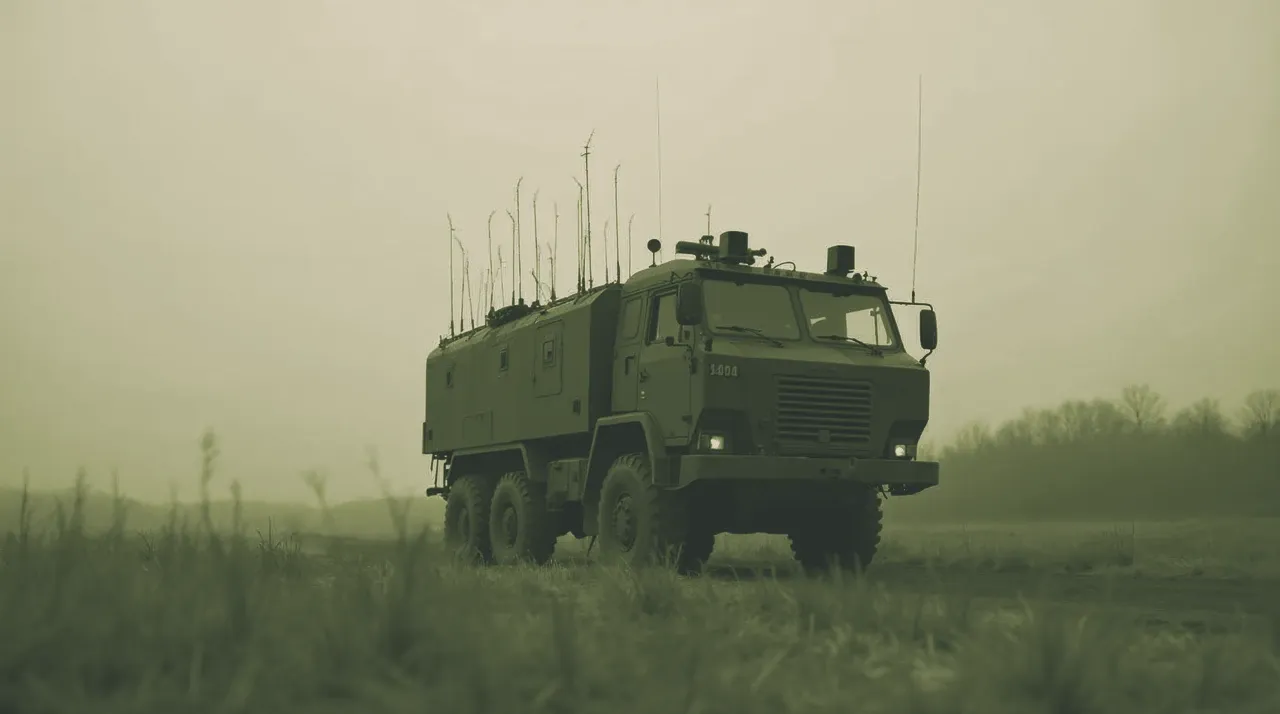
Ukraine's MoD cleared an MRAP designed to mount up to 10 electronic-warfare modules into a jamming dome against the FPV drones now hunting vehicles across the front.
Kyiv has put a new counter-drone vehicle into service. Ukraine's Defense Ministry codified and approved the MAC OWL "Sova" MRAP, Ukrainska Pravda wrote, citing the ministry, clearing it for the defense forces. Its headline feature is room for up to 10 electronic-warfare modules that form a protective "dome" against FPV kamikaze drones.
The "dome" is jamming, not a shell. Those 10 slots let a crew stack EW emitters across the radio bands FPV pilots lean on for video and control, hoping to break the link before the drone closes on the hull. The rest reads like a heavy MRAP. Pravda, Rubryka and the outlet Mezha give it a V-shaped hull and 16 mm side armor the ministry calls the thickest in its class, with STANAG 4569 protection against a blast of up to 10 kg of TNT. Depending on fit it weighs 14.2 to 15 tonnes, runs an 8.9-litre, 450-hp turbodiesel, and seats two crew plus six to eight troops behind a rear servo ramp.
Its origin is told two ways. Euromaidan Press and Pravda call it a Ukrainian-European product from MAC HUB and Paramount Greece, worked up from South Africa's Mbombe 4. Rubryka, Mezha and PRM.ua frame it more plainly, as built at a Ukrainian plant that borrowed the Mbombe concept.
The battlefield and the startup story — free in your inbox every week. No paywall.
Subscribe Free →The dome answers a specific battlefield. Russian FPV drones have become the dominant tactical threat to Ukrainian vehicles this year, and Euromaidan Press, citing Ukrainian data, counts more than 11,000 documented Russian FPV strikes on civilians alone. Jamming is the cheap first ring, and it does not close the door. A module only covers the bands it is built for, the effect thins with range, and the fiber-optic FPVs that trail a spool of glass have no radio link to jam in the first place. That last gap is pushing a parallel track. ArmSpecTechnology has bolted a hardware-tested active-protection system onto a BRDM-2M, 32 launchers throwing anti-drone nets, and in proving-ground footage it knocked an incoming FPV down short of the hull, Defense Express detailed. Put jamming, nets and cage armor on one hull, the outlet noted, and the target gets hard to kill.
So the Sova lands as the opening move in that stack: a codified hull whose first counter-drone layer is electronic. What to watch is how many of the 10 slots a fielded vehicle fills, and whether net launchers end up riding beside the antennas.
Frequently Asked Questions
What is the MAC OWL "Sova"?
It is a mine-resistant ambush-protected (MRAP) armored vehicle that Ukraine's Defense Ministry has codified and approved for service, according to Ukrainska Pravda citing the ministry. It is built to mount up to 10 electronic-warfare modules against FPV drones.
What does the "dome" of 10 EW modules actually do?
It is a jamming shield, not physical armor. Per the Defense Ministry as reported by Pravda and Rubryka, the modules form dome-shaped electronic-warfare coverage meant to disrupt the radio links FPV drones use, aiming to defeat them before they strike the hull.
How well protected is the vehicle?
The ministry, cited by Pravda, Rubryka and Mezha, says the Sova has a V-shaped hull and 16 mm side armor, and meets STANAG 4569 protection against a blast equivalent to up to 10 kg of TNT.
Who builds the Sova?
Accounts differ. Euromaidan Press and Pravda describe it as a Ukrainian-European product from MAC HUB and Paramount Greece, based on South Africa's Mbombe 4. Rubryka, Mezha and PRM.ua describe it as developed and built at a Ukrainian enterprise drawing on the Mbombe concept.
Does jamming stop every FPV drone?
No. Electronic-warfare jamming is band-specific, local and temporary, and it does not work against fiber-optic FPV drones, which carry no radio link to jam. That gap is one reason Ukraine is also testing net-based active protection, such as ArmSpecTechnology's BRDM-2M system reported by Defense Express.

Marcus Schuler
Marcus Schuler edits BattlePolicy, a daily defense-technology brief connecting the companies and capabilities behind modern war to the contest among Europe, the US, Russia, and China.