Ukraine's AI-guided midrange drones break Russian jamming, hitting 8 of 10 sorties
After SpaceX cut Russian forces' unauthorized Starlink access, upgraded Ukrainian drones evade jamming and keep Russia's supply lines under fire deep behind the front.
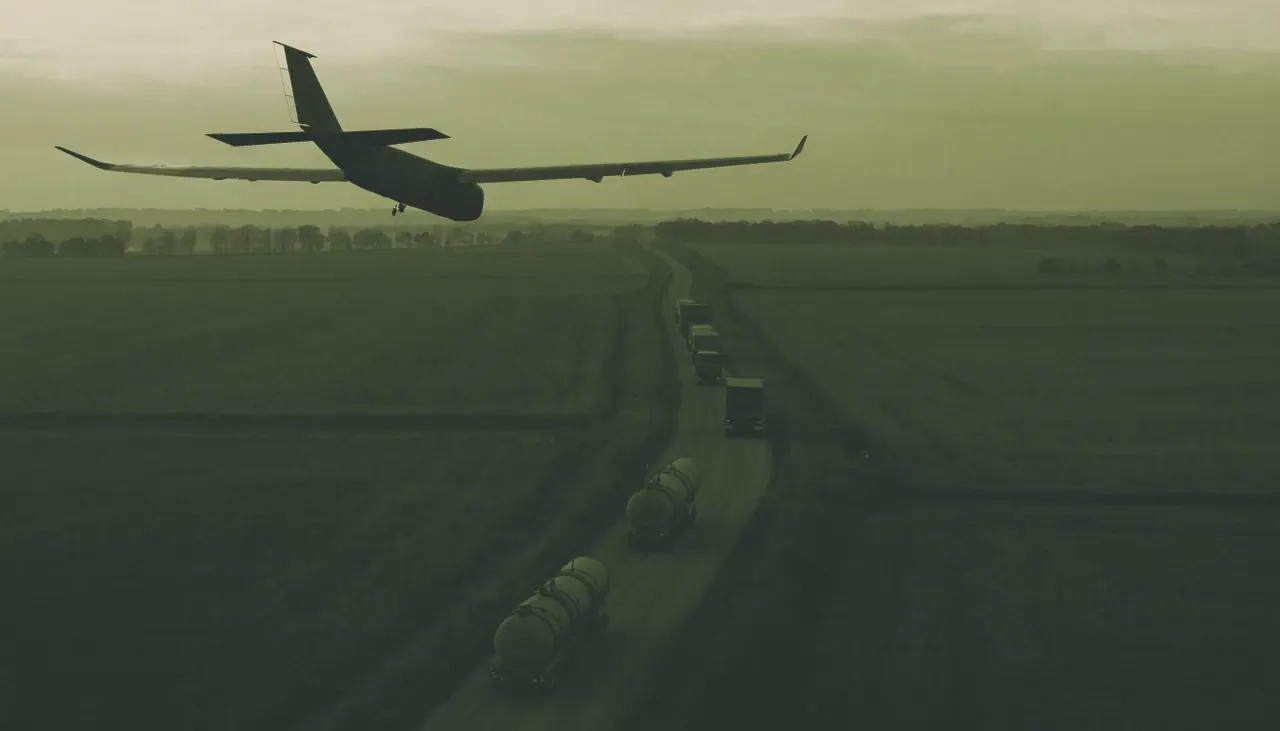
After SpaceX cut Russian forces' unauthorized Starlink access, upgraded Ukrainian drones are evading jamming and striking Russian supply lines far behind the front.
Ukrainian pilots of the K-2 brigade, working from a basement command post in the Kharkiv region, are flying midrange drones more than 100 kilometers behind Russian lines to hit the roads that carry fuel, ammunition and reinforcements, the Associated Press reported. The unit launched 800 midrange drones in May, and about 650 struck their targets.
"What's changed is that now eight out of every 10 sorties are successful," a K-2 pilot with the call sign Pharaon told the AP, adding that the success rate ran the other way only a few months ago.
Ukraine's gains followed SpaceX cutting off Russian forces' unauthorized access to Starlink earlier this year, which degraded Russian drone operations and let upgraded Ukrainian fixed-wing drones fitted with Starlink links fly farther and strike more accurately, the AP wrote. Those drones have begun closing a corridor of 25 to 200 kilometers where Russian troops and supplies had moved with relative freedom.
Newer Ukrainian drones also lean on autonomy to survive jamming. An operator locks the aircraft onto a target from several hundred meters out, and onboard electronics fly the final approach with no radio link for Russian electronic warfare to cut, RBC-Ukraine reported, citing drone makers. A cruise-control autopilot holds the drone's course and altitude through jammed zones until the operator's signal returns.
K-2's main aircraft, the Dart, is built from polystyrene, wood and 3D-printed parts, per the AP. A separate crew launches it more than 200 kilometers away, then hands control to the Kharkiv pilots, who fly it for as long as four hours.
K-2's commander, identified by the call sign Kat, told the AP the brigade's aim is to strip Russian infantry of food, ammunition, batteries and night vision by cutting the supply lines behind them. Ukrainian military intelligence has assessed that the strikes have made the land corridor to occupied Crimea too dangerous for steady resupply.
The battlefield and the startup story — free in your inbox every week. No paywall.
Subscribe Free →Russia is responding with more mobile anti-aircraft units, fixed machine-gun positions and interceptor crews, though their effect has been limited so far, according to the AP. Samuel Bendett of the Center for Naval Analyses said he expects Moscow to adapt over time because its larger army can absorb heavier losses, and that the question now is whether Ukraine can keep up the pressure over the coming weeks.
Frequently Asked Questions
What changed for Ukraine's midrange drones?
A K-2 pilot told the Associated Press that eight of every 10 sorties now succeed, a reversal from a few months ago. In May the unit launched 800 midrange drones and about 650 struck their targets, per AP.
How did cutting Russia's Starlink access help?
AP reports Ukraine's breakthrough followed SpaceX cutting off Russian forces' unauthorized access to Starlink earlier this year, which degraded Russian drone operations while Ukrainian fixed-wing drones fitted with Starlink links flew farther and struck more accurately.
How do the drones beat Russian electronic warfare?
RBC-Ukraine reports newer Ukrainian drones use AI-assisted terminal guidance, where an operator locks onto a target from several hundred meters out and onboard electronics fly the final approach with no radio link to jam. A cruise-control autopilot holds course through jamming until the link returns.
What is the K-2 brigade targeting?
Its commander told AP the mission is to cut logistics: fuel, ammunition, batteries and reinforcements moving behind the front. Ukrainian military intelligence says the strikes have made the land corridor to occupied Crimea too dangerous for steady resupply.
How is Russia responding?
AP reports Russia is adding mobile anti-aircraft units, fixed machine-gun positions and more interceptor crews, with limited effect so far. Samuel Bendett of the Center for Naval Analyses expects Moscow to adapt eventually, since its larger army can absorb the losses.
AI-generated summary, reviewed by an editor. More on our AI guidelines.

Marcus Schuler
Marcus Schuler edits BattlePolicy, a daily defense-technology brief connecting the companies and capabilities behind modern war to the contest among Europe, the US, Russia, and China.