Ukraine's I-SEE opens its drone-defense software to outside developers
I-SEE is betting that letting frontline units rewrite their own counter-drone software, in days rather than months, is how battlefield defenses keep pace with a threat that mutates nightly.
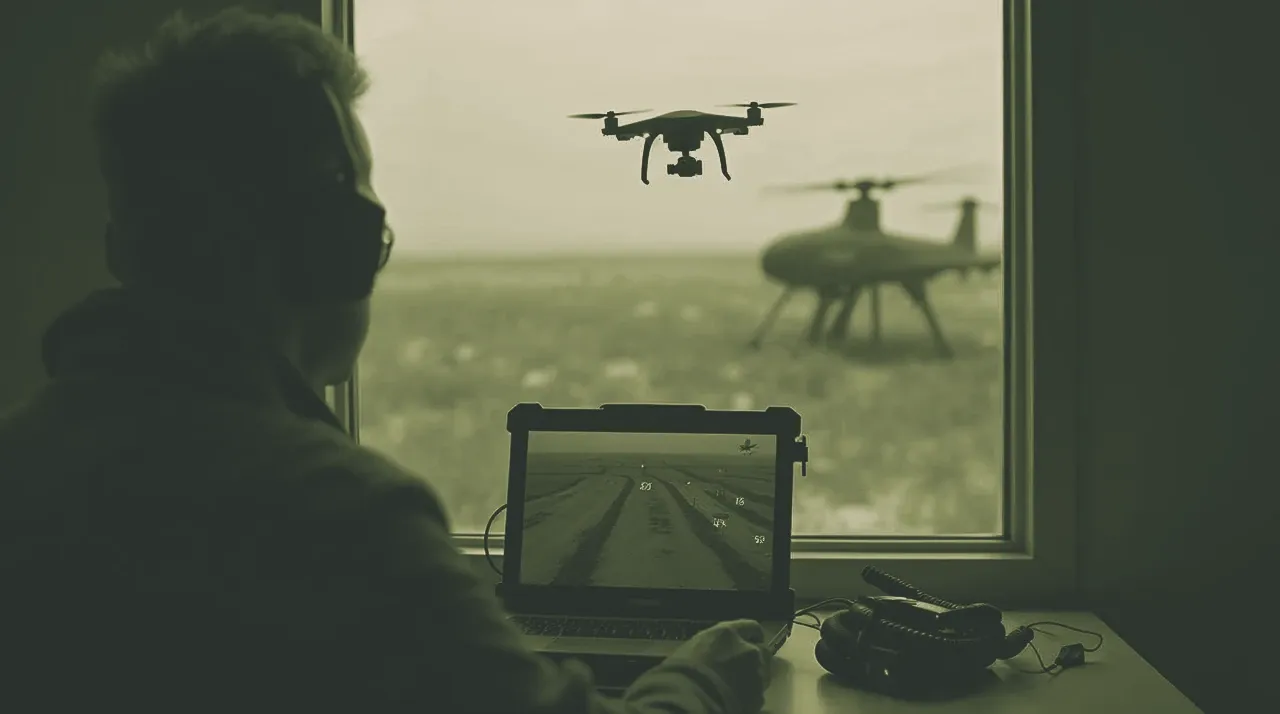
I-SEE is betting that letting frontline units rewrite their own counter-drone software, in days rather than months, is how battlefield defenses keep pace with a threat that mutates nightly.
I-SEE, a Ukrainian company that builds drone detection and defeat systems, has opened its platform so outside developers can extend it, Militarnyi reported on June 21, citing the firm. A military unit, an integrator, or a contracted engineer can now wire its own hardware and software straight into the system's core. The release ships three integration layers, an interface for live data, a developer kit, and a plug-in framework, The Defence Blog detailed, and the point is that a unit no longer waits on the vendor to build a feature it needs.
Detection runs on computer vision and Edge AI, processed on local hardware at the sensor rather than in the cloud, which the company says holds latency down and works without an internet link. The platform is hardware-agnostic, able to turn almost any optical device into a smart sensor. It currently pairs with net guns that fire a weighted net to foul a drone's rotors, while integration with remote weapon stations and electronic-warfare jammers is still in laboratory testing. Interceptor drones come next.
The firing decision is walled off. Target selection and engagement math sit inside the core, and a plug-in that drives a turret or net gun can fire it only on command. It cannot override a target choice or shoot on its own, and a module that crashes shuts down by itself without dragging the system down too. As I-SEE told dev.ua, the call to engage always rests with the core and the operator.
The reasoning is the pace of the threat. A counter-drone system fielded half a year ago already meets drones its designers never planned for, and a closed product leaves a unit waiting on the vendor's next build. I-SEE wants that unit writing the fix itself within a week, the same speed Ukraine has relied on while pushing from net guns to automated turrets to interceptor drones.
The battlefield and the startup story — free in your inbox every week. No paywall.
Subscribe Free →The company shipped working example modules and a template with the release, not just an announcement, dev.ua reported. The effectors it most wants outside engineers to add next are the interceptor drones already in its pipeline.
Frequently Asked Questions
What did I-SEE open to outside developers?
I-SEE opened its counter-drone platform so military units, systems integrators and contracted engineers can connect their own hardware and software to the system's core, through an application programming interface, a software development kit and a plug-in framework, per Militarnyi and The Defence Blog.
Can a third-party add-on fire a weapon on its own?
No. A plug-in can drive a turret or net gun and fire it on command, but it cannot override a target choice or shoot on its own. Target selection and the engagement decision stay inside the core, and the call to engage rests with the core and the operator, I-SEE told dev.ua.
What weapons does the I-SEE system work with now?
It is currently fielded with net guns, which fire a weighted net to foul a drone's rotors. Integration with remote weapon stations and electronic-warfare jammers is in laboratory testing, with interceptor drones slated next, according to Militarnyi.
How does the system detect drones?
It uses computer vision and Edge AI, processed on local hardware at the sensor rather than in the cloud, which keeps latency low and lets it work without an internet link. The design is hardware-agnostic, turning almost any optical device into a smart sensor, per CUAS Hub and Militarnyi.
Why does an open architecture matter on the battlefield?
Drone threats change faster than procurement cycles. An open platform lets a unit or a contracted engineer write a fix in days instead of waiting for a vendor update, which The Defence Blog notes is the case I-SEE is making.
AI-generated summary, reviewed by an editor. More on our AI guidelines.

Marcus Schuler
Marcus Schuler edits BattlePolicy, a daily defense-technology brief connecting the companies and capabilities behind modern war to the contest among Europe, the US, Russia, and China.