Peklo
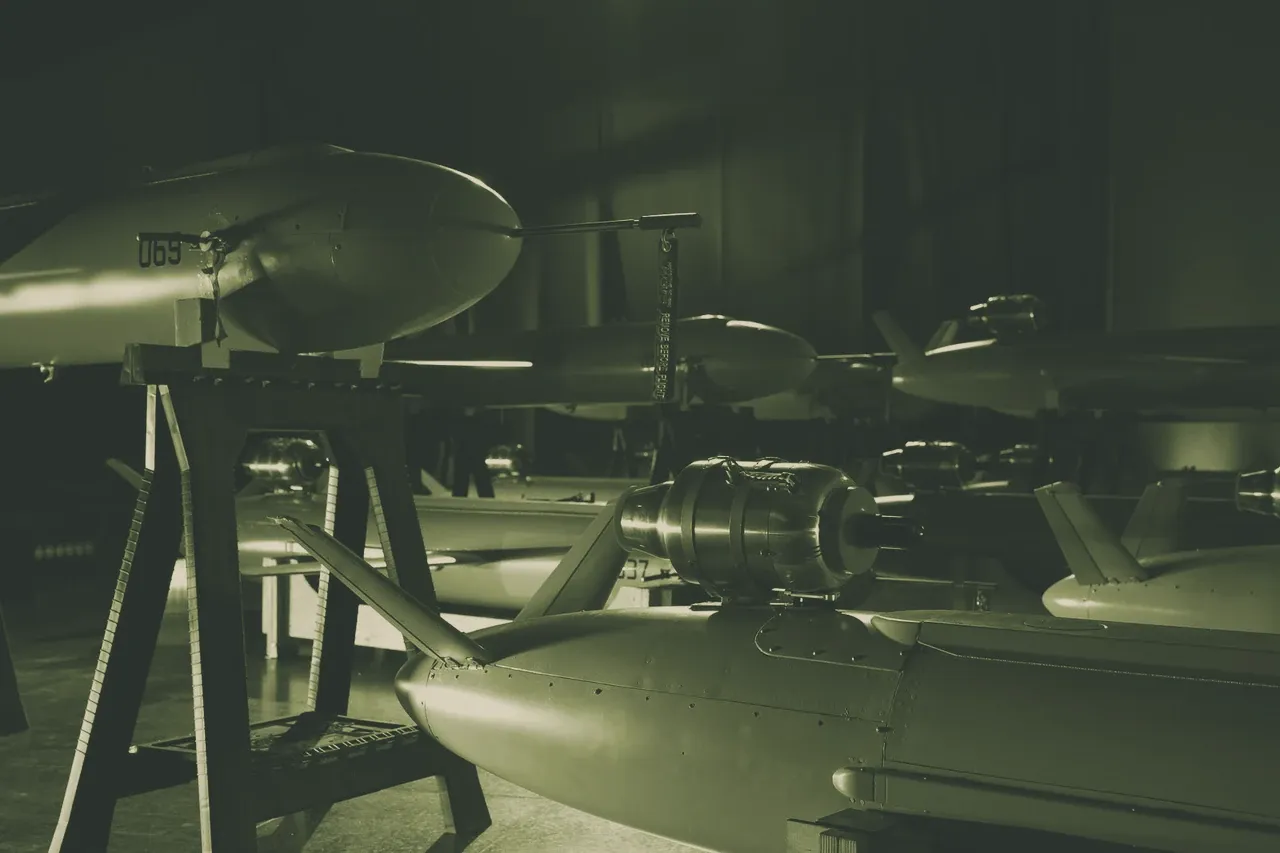
Ukraine's "Hell" — a jet-powered missile-drone, the faster sibling of Palianytsia. Built in under a year and already in serial production, it flies a mini-cruise-missile profile to hit Russian refineries, depots and airfields, and was used in the June 2026 Moscow oil-refinery strike.
.jpg)
Ukraine's "Hell" — a jet-powered missile-drone that analysts treat as a miniature cruise missile, and the faster sibling of Palianytsia. Developed in under a year and already in serial production when it was unveiled, it flies a deep-strike profile against Russian refineries, depots and airfields — another piece of Ukraine's drive to build its own long-range arsenal rather than wait for Western permission.
Overview
Peklo (Пекло, "Hell") is a Ukrainian turbojet "missile-drone" — launched with a solid-fuel booster from a mobile platform, then cruising under jet power to hit stationary deep-strike targets (defence plants, fuel and oil facilities, depots, airfields) inside Russia. Built by Ukrainian Defence Industry (Ukroboronprom), it was unveiled by President Zelenskyy on 6 December 2024 — Ukraine's Armed Forces Day — already combat-proven and already in serial production. It is closely related to Palianytsia: near-identical in look and range, but the faster of the two (Wikipedia notes Peklo is "presumably based on" it). For BattlePolicy it is another node in Ukraine's sovereign deep-strike push, the affordable-mass strike family that also includes the FP-5 Flamingo and R-360 Neptune, and the mirror of Russia's jet Geran-3. One caveat up front: like its siblings it is a secretive program, so several figures are official-but-unverified or analyst inference.
🔒 The full Peklo file is for BattlePolicy Pro members. Below the line: development history, design and capabilities, variants, the combat record, advantages and limitations, comparable systems, outlook, the full specifications table, our sourcing, and the analyst assessment — procurement, suppliers and the BattlePolicy verdict. Unlock the full file with BattlePolicy Pro →
Below this point
- Development
- Design & capabilities
- Variants
- Combat record / operational use
- Advantages
- Drawbacks / limitations
- Counterparts
- Outlook
- Key specifications
- Sources
- Analyst Section
- Procurement & contracts
- Suppliers & related companies
- Comparable systems — analyst view
- Analyst note