2S7 Pion
The biggest self-propelled gun in the world — a Soviet 203mm monster firing a 110 kg shell up to 47 km, nuclear-capable, and dragged out of Cold War storage by both Russia and Ukraine for long-range counter-battery duels. Slow and exposed, but it hits like nothing else on the front.
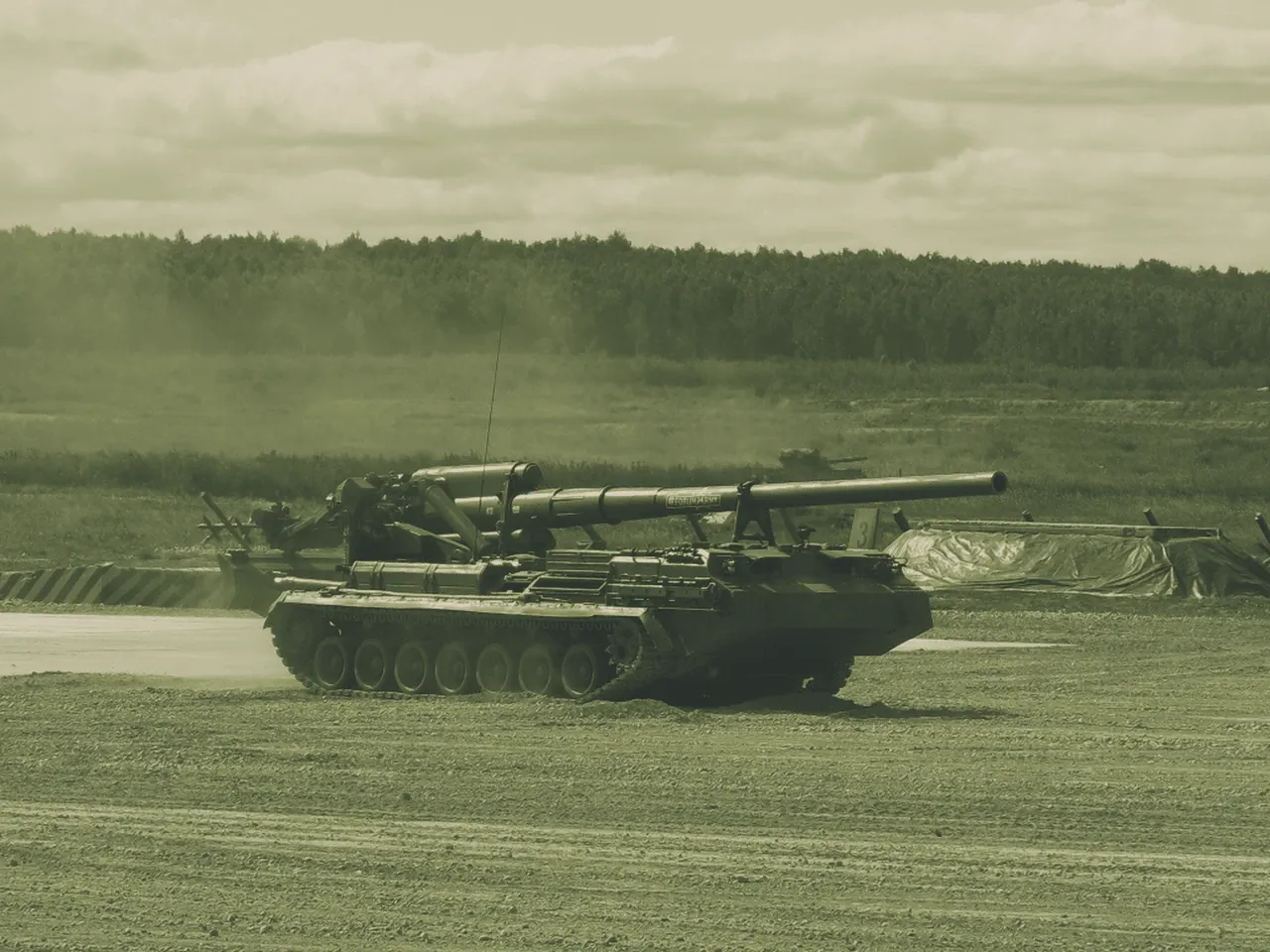

The largest self-propelled gun ever built — a Soviet 203mm "Peony" that hurls a 110 kg shell out to roughly 47 km, was designed in part to fire tactical nuclear rounds, and has been dragged out of Cold War storage by both Russia and Ukraine to fight long-range counter-battery duels. Slow, open-topped and conspicuous, the 2S7 Pion and its upgraded sibling the 2S7M Malka trade survivability for sheer reach and destructive power that nothing else on the front matches.
Overview
The 2S7 Pion (NATO: M1975; "pion" = peony) is a Soviet heavy self-propelled gun built around a massive 203mm 2A44 cannon on a tracked chassis — the biggest-caliber land-based artillery in Russian (and Ukrainian) service. Per Army Recognition, it was designed to engage targets at extreme range, destroy hardened facilities and command posts, and, in its original Cold War role, deliver tactical nuclear projectiles. The improved 2S7M Malka added a better engine, fire-control and faster reloading. Largely retired after the Cold War, both Russia and Ukraine returned the type to service after 2022 for the kind of long-range counter-battery and deep-fires missions the war demands — a striking case of a 1970s heavyweight finding new relevance.
🔒 The full 2S7 Pion file is for BattlePolicy Pro members. Below the line: development history, design and capabilities, variants, the combat record, advantages and limitations, comparable systems, outlook, the full specifications table, our sourcing, and the analyst assessment — procurement, suppliers and the BattlePolicy verdict. Unlock the full file with BattlePolicy Pro →
Below this point
- Development
- Design & capabilities
- Variants
- Combat record / operational use
- Advantages
- Drawbacks / limitations
- Counterparts
- Outlook
- Key specifications
- Sources
- Analyst Section
- Procurement & contracts
- Suppliers & related companies
- Comparable systems — analyst view
- Analyst note