9M729
The cruise missile that killed the INF Treaty — a ground-launched, nuclear-capable weapon the US says flies far past the 500 km the treaty banned, and Russia insists stays just under it. The arms-control dispute became its legacy; its reported 2025 combat use in Ukraine is its grim sequel.
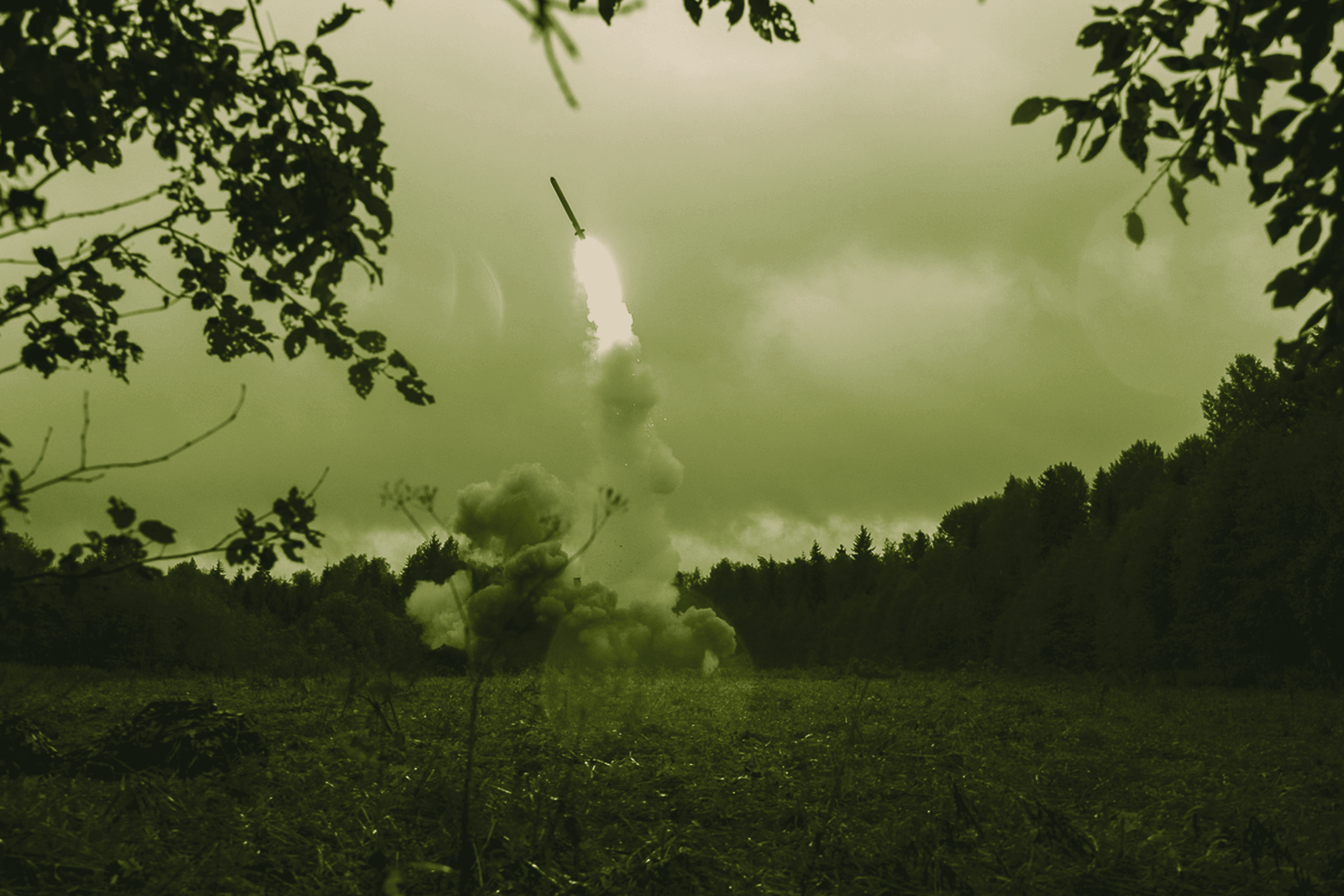

The cruise missile that ended the Cold War's most important arms-control treaty. The 9M729 (NATO: SSC-8 Screwdriver) is a ground-launched, nuclear-capable Russian cruise missile that Washington says flies far beyond the 500 km that the 1987 Intermediate-Range Nuclear Forces (INF) Treaty banned for land-based systems — and that Moscow insists stays just under it. The unresolvable dispute over its range was the proximate cause of the treaty's 2019 collapse, and reports of its combat use in Ukraine in 2025 turned a once-abstract arms-control argument into a battlefield reality.
Overview
The 9M729 is a ground-launched cruise missile (GLCM) developed by the Novator design bureau as part of the Iskander-K complex — the cruise-missile companion to the better-known Iskander-M ballistic missile. It is closely related to the sea-launched 3M14 Kalibr and the older RK-55, redesigned for road-mobile ground launch. The central fact of the 9M729 is political as much as technical: because the INF Treaty prohibited US and Soviet/Russian ground-launched missiles with ranges between 500 and 5,500 km, a Russian GLCM that exceeded 500 km was a treaty violation — and the US, with NATO backing, concluded exactly that, while Russia maintained the missile's range was a treaty-compliant ~480 km. That standoff, never resolved through inspection, drove the United States to withdraw from the INF Treaty in 2019.
🔒 The full 9M729 file is for BattlePolicy Pro members. Below the line: development history, design and capabilities, variants, the combat record, advantages and limitations, comparable systems, outlook, the full specifications table, our sourcing, and the analyst assessment — procurement, suppliers and the BattlePolicy verdict. Unlock the full file with BattlePolicy Pro →
Below this point
- Development
- Design & capabilities
- Variants
- Combat record / operational use
- Advantages
- Drawbacks / limitations
- Counterparts
- Outlook
- Key specifications
- Sources
- Analyst Section
- Procurement & contracts
- Suppliers & related companies
- Comparable systems — analyst view
- Analyst note