Karakurt-class
Russia's small, stealthy "missiles-with-a-hull" corvette — an 860-ton Project 22800 ship that carries eight Kalibr or Oniks cruise missiles, the more seaworthy sibling of the Buyan-M. Cheap, heavily armed, and a recurring Ukrainian target.
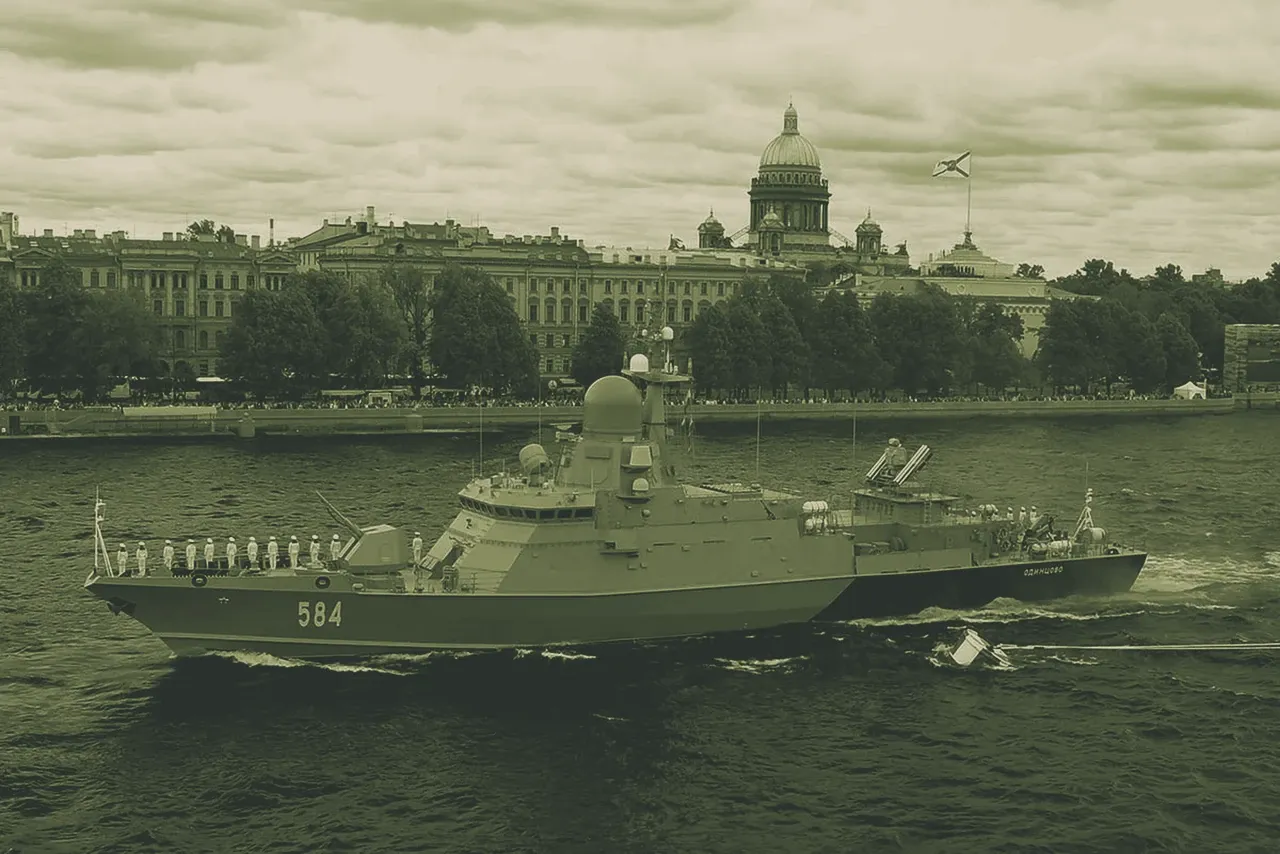

Russia's small, stealthy "missiles-with-a-hull" — the Project 22800 Karakurt is an 860-ton corvette built around eight vertical cells of Kalibr land-attack or P-800 Oniks anti-ship cruise missiles. It is the more seaworthy, blue-water sibling of the river-and-coastal Buyan-M: the same idea of packing strategic strike firepower onto a cheap, minimal hull, but able to operate in open seas. Heavily armed for its size and produced across several yards, it has also been a recurring Ukrainian target.
Overview
The Karakurt-class (Project 22800; "karakurt" is a venomous black widow spider) is a Russian stealth guided-missile corvette designed to deliver outsized strike firepower from a small, inexpensive platform. Like the Buyan-M it carries the UKSK universal vertical launcher — eight cells loaded with Kalibr cruise missiles for land attack or supersonic P-800 Oniks for anti-ship work — but on a hull optimized for the open sea rather than the Caspian's shallows and rivers. The concept is quintessentially modern Russian: rather than build scarce, expensive large surface combatants, distribute the same cruise-missile firepower across many small, hard-to-build-but-cheap-to-arm corvettes, complicating an adversary's targeting while keeping the Kalibr threat afloat.
🔒 The full Karakurt-class file is for BattlePolicy Pro members. Below the line: development history, design and capabilities, variants, the combat record, advantages and limitations, comparable systems, outlook, the full specifications table, our sourcing, and the analyst assessment — procurement, suppliers and the BattlePolicy verdict. Unlock the full file with BattlePolicy Pro →
Below this point
- Development
- Design & capabilities
- Variants
- Combat record / operational use
- Advantages
- Drawbacks / limitations
- Counterparts
- Outlook
- Key specifications
- Sources
- Analyst Section
- Procurement & contracts
- Suppliers & related companies
- Comparable systems — analyst view
- Analyst note