Gerbera
Low-cost multi-purpose Russian drone, a Shahed-136 lookalike used as a saturation decoy, one-way attack, reconnaissance and signal relay, forcing costly air-defense engagements at extreme cost asymmetry.
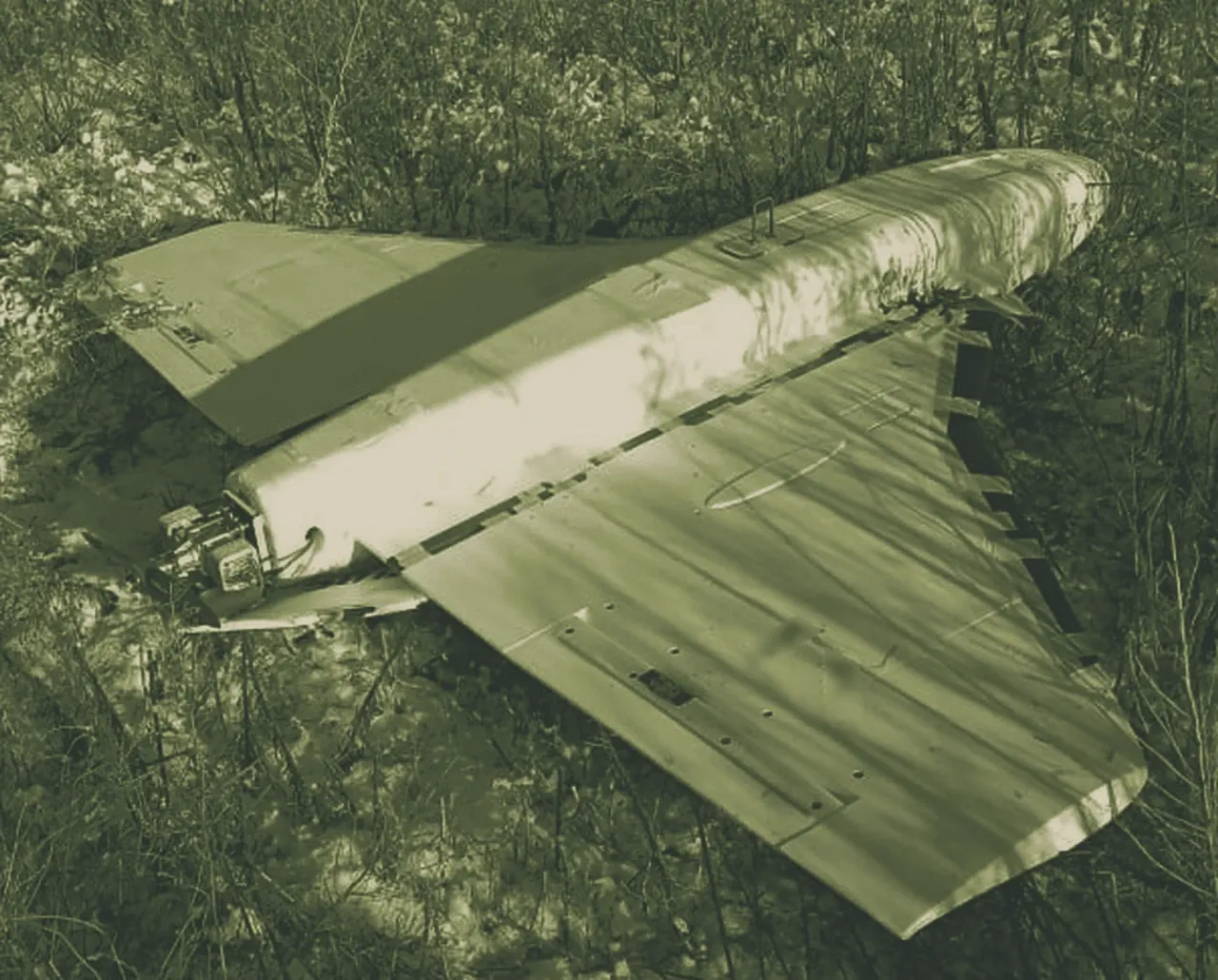
Low-cost multi-purpose Russian drone — a Shahed-136 lookalike that serves as a saturation decoy, one-way attacker, scout and signal relay — built to impose ruinous economics on air defenses and inflate raid size at extreme cost asymmetry.
Updated 1 September 2026 with the enlarged Gerbera-2 (20–30 kg payload against the original's ~5 kg), the three separate Gerbera lines named in Ukrainian intelligence's August 2026 Russian production plan, cumulative-output claims past 100,000 airframes, and the August 2026 Romanian Black Sea interceptions near the Neptun Deep gas project.
Overview
The Gerbera (Russian: Гербера) is a small, cheap unmanned aerial vehicle that emerged over Ukraine in mid-2024 and quickly became a signature element of Russia’s mass-drone campaign. Its defining pitch is economic: an airframe built from plywood, painted foam and mostly imported components that costs roughly $10,000 per unit, yet forces Ukraine to expend missiles, gun ammunition or dedicated interceptor drones on every track, because defenders cannot know which incoming airframe is armed. The drone mimics the visual and radar signature of the much larger Shahed-136/Geran-2 family, deliberately inflating the apparent size of strike packages and drawing protective fire away from the true weaponised Gerans. As the conflict has widened, the Gerbera has also been sent across NATO borders, triggering the first air-to-air engagements of enemy drones over alliance territory.
In 2026 the type began outgrowing its own premise. Ukraine's Defence Intelligence now lists three distinct Gerbera lines in Russian production plans — Gerbera, Gerbera-Kamikaze and Gerbera Seeker — and in August a substantially larger Gerbera-2 appeared carrying a 20–30 kg payload, several times the original's warhead. As Alabuga converts Geran-2 capacity to jet-powered Geran-4 and Geran-5 airframes, the enlarged Gerbera looks like a candidate to inherit the cheap-strike role the piston Geran-2 is vacating.
🔒 The full Gerbera file is for BattlePolicy Pro members. Below the line: development history, design and capabilities, variants, the combat record, advantages and limitations, comparable systems, outlook, the full specifications table, our sourcing, and the analyst assessment — procurement, suppliers and the BattlePolicy verdict. Unlock the full file with BattlePolicy Pro →
Below this point
- Development
- Design & capabilities
- Variants
- Combat record / operational use
- Advantages
- Drawbacks / limitations
- Counterparts
- Outlook
- Key specifications
- Sources
- Analyst Section
- Procurement & contracts
- Suppliers & related companies
- Comparable systems — analyst view
- Analyst note