Germany's 18-month drone certification fields obsolete kit, a CDU lawmaker warns
Roderich Kiesewetter says Berlin certifies weapons one at a time while Ukraine runs ten to fifteen design cycles in the same window, leaving the Bundeswehr's drones outdated on arrival.
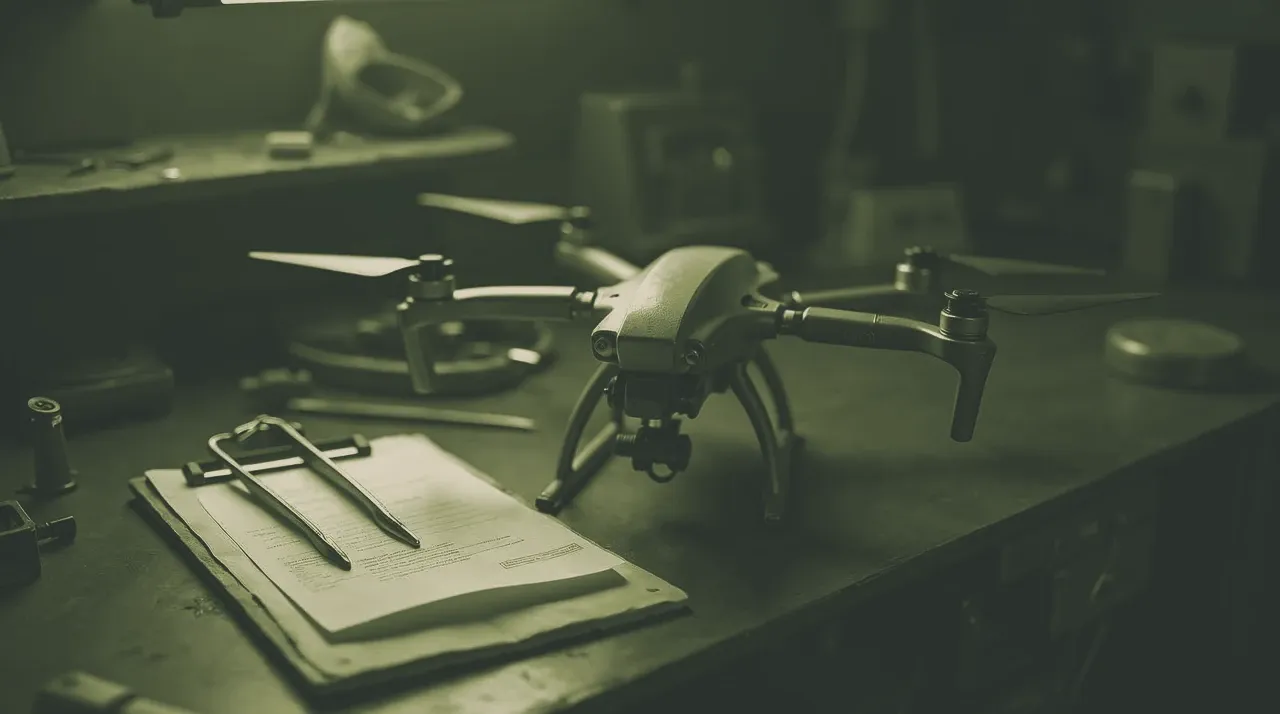
Roderich Kiesewetter says Berlin certifies weapons one at a time while Ukraine runs ten to fifteen design cycles in the same window, leaving the Bundeswehr's drones outdated on arrival.
Germany needs about 18 months to certify a new drone, and Ukraine runs ten to fifteen design cycles in that span, Roderich Kiesewetter said. The certified system is "practically already obsolete" when it enters service, the CDU foreign-affairs coordinator told Schwäbische Zeitung after his eleventh wartime trip to Ukraine.
The bottleneck is structural, not budgetary. Germany certifies one item at a time, the single bullet, the single tank, the single drone, instead of clearing a whole production line, Kiesewetter told the Foreign Policy Research Institute in a separate interview. He traces the habit to decades of tight export rules that locked the arms industry into piecemeal output. The money is now there. Defense spending hits 80 billion euros this year and reaches 150 billion a year by 2029, he told FPRI, close to five times the 2012 level.
Ukraine sets the pace he measures against. Battlefield systems that lasted about seven months before replacement in 2022 were turning over in four to six weeks by early 2025, ASPI's David Kirichenko reported. Front-line units feed problems straight to manufacturers, and fixes return to combat in days, CSIS and the Carnegie Endowment have documented. One Ukrainian volunteer told ASPI a mobile drone-repair workshop still took nine months to certify, so the red tape is not unique to Berlin, only worse there.
That gap is the whole problem for a force rearming on paper. Kiesewetter wants certification of entire production lines and a standing institution to turn Ukraine's combat lessons into Bundeswehr practice, he told Schwäbische Zeitung. Pistorius's first military strategy, presented in April, concedes the point. It lists 153 debureaucratization measures and 580 implementation steps and gives internal regulations fixed expiry dates, Deutsche Welle noted.
The clocks still do not line up. The strategy names Russia "the greatest and most immediate threat" and sets war-readiness for 2029, with 460,000 troops by the mid-2030s, DW and Politico wrote. Full capability targets run to 2035, complete implementation to 2039. "An enemy doesn't wait until 2039," Kiesewetter told Schwäbische Zeitung.
The battlefield and the startup story — free in your inbox every week. No paywall.
Subscribe Free →He folds the procurement fight into a harder warning. Pressing Ukraine to trade land for a negotiated peace would hand Moscow its objective and broadcast that "wars pay," he said, the line that titles the interview. A Bundeswehr fielding outdated drones, on his read, is the same failure pointed inward: a slow state telling a fast adversary it has time.
Watch the certification tempo, not the topline. Berlin will have 150 billion euros a year by 2029 and a strategy that admits the process is too slow. Whether it can compress an 18-month cycle toward Ukraine's weeks is the test of whether any of that money fields a current weapon.
Frequently Asked Questions
What did Roderich Kiesewetter say about German drone certification?
He told Schwäbische Zeitung that Germany needs roughly 18 months to certify a new drone, during which Ukraine runs ten to fifteen design cycles, so a German system is "practically already obsolete" by the time it enters service.
Why is German certification so slow?
Kiesewetter told the Foreign Policy Research Institute that Germany certifies one item at a time, a single bullet, tank or drone, instead of clearing a whole production line. He traces the habit to decades of tight arms-export rules that pushed industry toward piecemeal output.
How fast does Ukraine iterate its drones?
ASPI's David Kirichenko reported that battlefield systems lasting about seven months before replacement in 2022 were turning over in four to six weeks by early 2025. CSIS and the Carnegie Endowment have documented front-line units feeding problems straight back to manufacturers.
What is the Bundeswehr's readiness timeline?
Deutsche Welle and Politico reported that Germany's first military strategy sets war-readiness for 2029 and a 460,000-strong force by the mid-2030s. Kiesewetter notes full capability targets run to 2035 and complete implementation to 2039, which he calls too slow.
What does the "wars pay" warning mean?
Kiesewetter told Schwäbische Zeitung that pressing Ukraine to cede territory for a negotiated peace would hand Moscow its objective and signal that "wars pay." The phrase gives the interview its title.
AI-generated summary, reviewed by an editor. More on our AI guidelines.

Marcus Schuler
Marcus Schuler edits BattlePolicy, a daily defense-technology brief connecting the companies and capabilities behind modern war to the contest among Europe, the US, Russia, and China.