Iron Beam's Eight-Month Delay Exposes the Missile Interceptor Market's Staying Power
Rafael's laser remains short of operational service while Elbit carries a record $32 billion backlog and Greece advances a $4 billion missile-defense package.
Rafael's laser remains short of operational service while Elbit carries a record $32 billion backlog and Greece advances a $4 billion missile-defense package.
December 2025
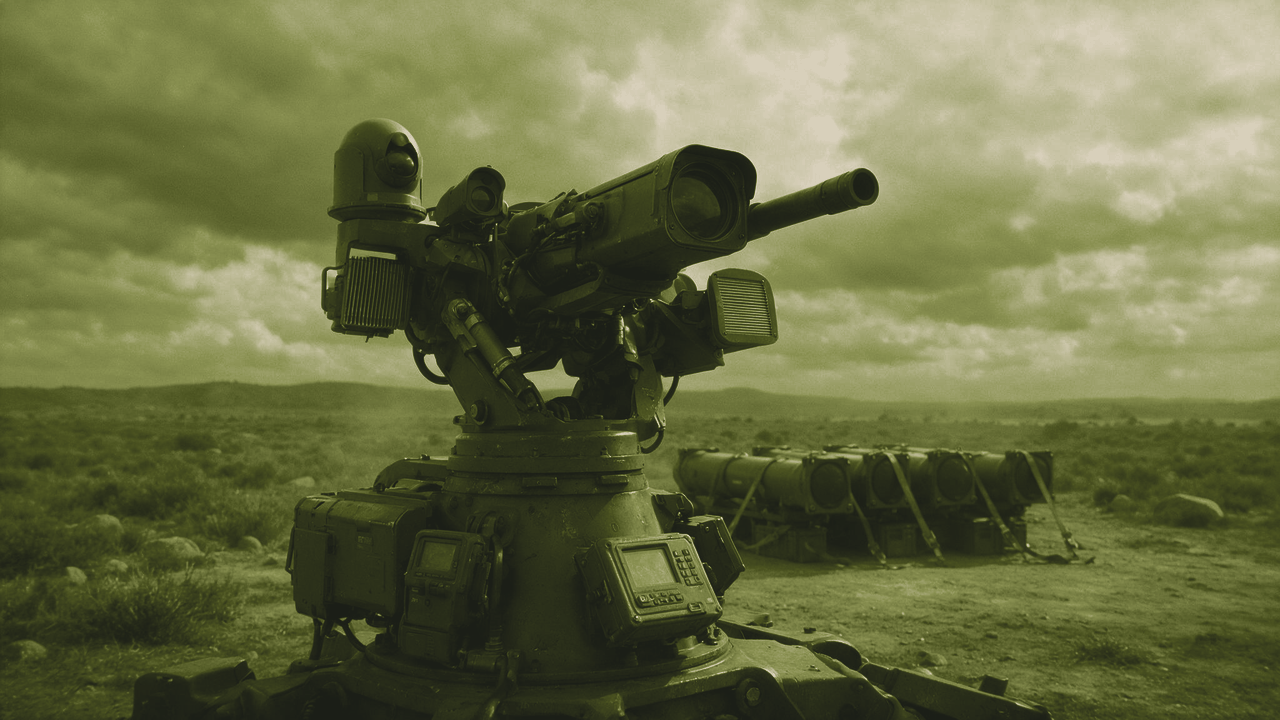
Rafael delivered Iron Beam to the IDF in December 2025, but the system still has not entered operational service more than eight months later, Calcalist reported. One senior defense-industry official involved in the program told the publication that full operational maturity could take another three to four years. That estimate comes from one unnamed source, not a confirmed program schedule, and the cause of the delay remains undisclosed. Still, the contradiction is already clear: the technology billed as the answer to costly missile interceptions is lagging while the Israeli companies supplying the kinetic alternative book record business.
One Delivered Unit
Only one Iron Beam unit has reached the IDF. Rafael says it fulfilled its delivery commitment but acknowledges the system has not completed the steps required for operational use. The ground-based design uses a 100-to-150-kilowatt solid-state laser to engage rockets, mortars, drones and cruise missiles at ranges of about 10 kilometers.
The December handover carried claims that Israel had entered the laser-weapons era. Ynet found the incomplete integration has instead delayed the planned addition of a low-cost layer to Israel's air defenses. Rafael Chairman Yuval Steinitz had estimated earlier in 2026 that the remaining process would take only several days; company officials now say the system still requires adjustments.
Delivery transferred the hardware. It did not deliver the capability at operational scale.

Marcus Schuler
Marcus Schuler edits BattlePolicy, a daily defense-technology brief connecting the companies and capabilities behind modern war to the contest among Europe, the US, Russia, and China.