J-35A
China's second fifth-generation stealth fighter — the land-based J-35A "Cloud Dragon" — complements the J-20, brings cross-service carrier capability, and marks Beijing's push to break the Western monopoly on fifth-generation airpower exports.
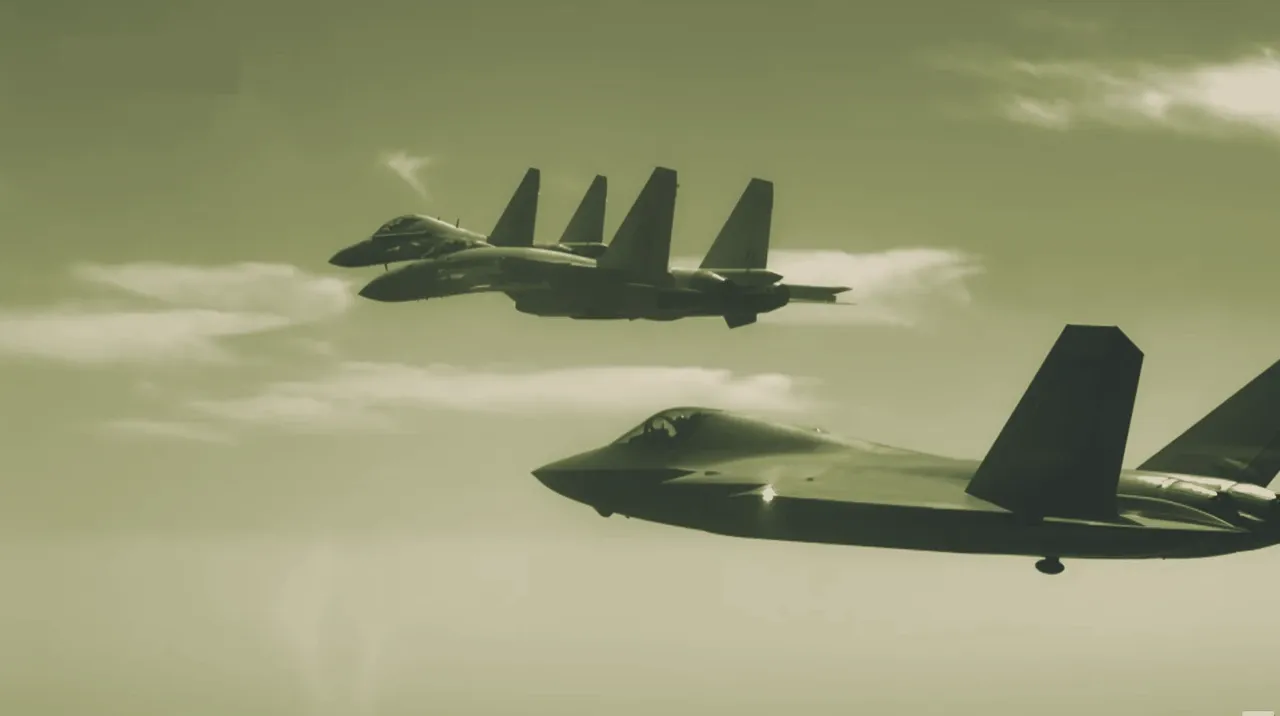

China's second fifth-generation stealth fighter — a medium-weight, multirole design that equips both the PLAAF and the PLAN's carrier fleet, and the airframe selected to offer fifth-generation capability to export customers locked out of the F-35.
Overview
The Shenyang J-35A, named "Cloud Dragon" by the People's Liberation Army Air Force, is the land-based variant of a family of fifth-generation stealth fighters developed by Shenyang Aircraft Corporation (SAC) under AVIC. Derived from the privately funded FC-31 demonstrator, it is the lighter, medium-weight complement to the heavy J-20, giving China two distinct operational stealth designs in concurrent service. A parallel naval variant, the J-35 "Blue Shark," has been certified for electromagnetic-catapult operations aboard the carrier Fujian. The J-35A is in low-rate initial production and early operational service, with no combat record, but its public debut in 2024 and the unveiling of an export version (J-35AE) in 2026 have made it a pivotal system in Beijing’s airpower and arms-export strategies.
🔒 The full J-35A file is for BattlePolicy Pro members. Below the line: development history, design and capabilities, variants, the combat record, advantages and limitations, comparable systems, outlook, the full specifications table, our sourcing, and the analyst assessment — procurement, suppliers and the BattlePolicy verdict. Unlock the full file with BattlePolicy Pro →
Below this point
- Development
- Design & capabilities
- Variants
- Combat record / operational use
- Advantages
- Drawbacks / limitations
- Counterparts
- Outlook
- Key specifications
- Sources
- Analyst Section
- Procurement & contracts
- Suppliers & related companies
- Comparable systems — analyst view
- Analyst note