Kronshtadt Sirius
Kronshtadt Sirius, also called Inokhodets-RU, is Russia's larger twin-engine successor to Orion: a MALE reconnaissance-strike UAV with claimed SATCOM control, 450 kg payload and an uncertain path from prototype to service.
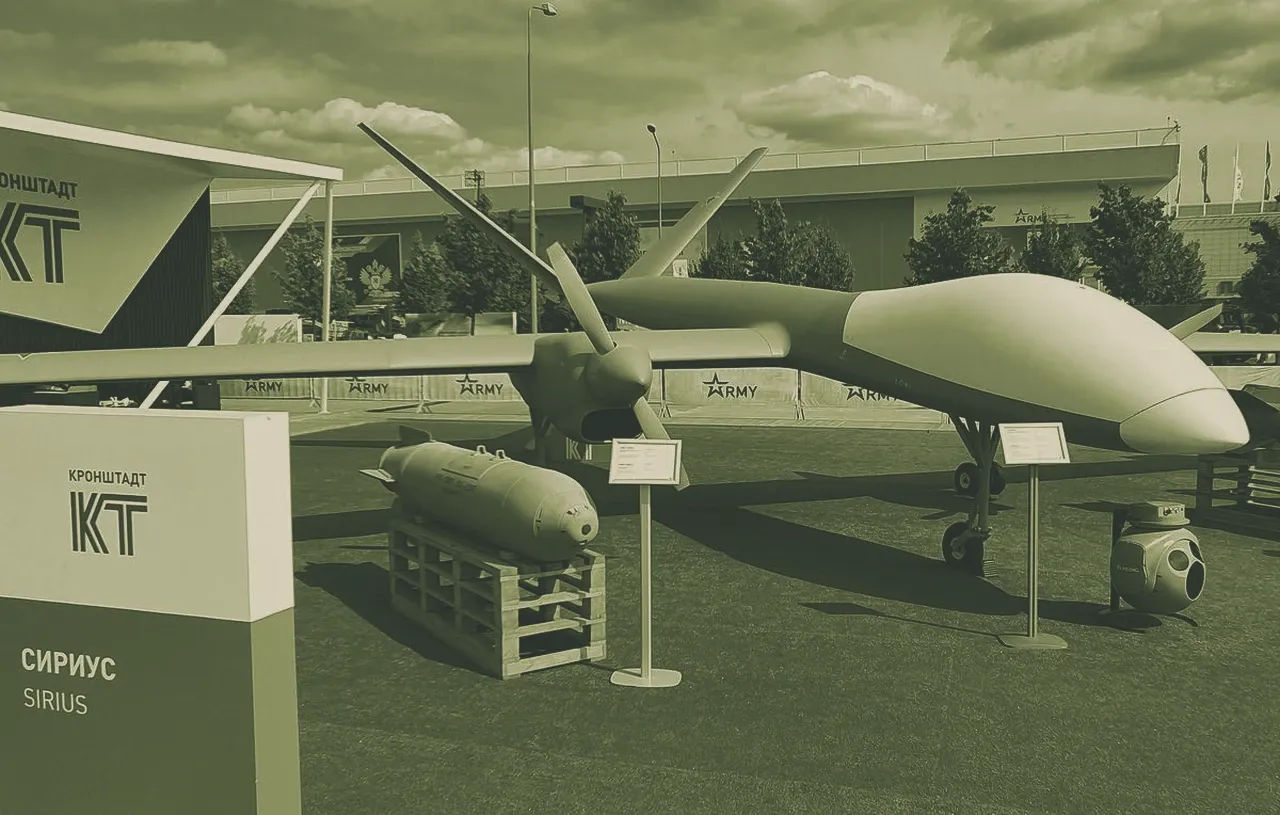
Russia's larger twin-engine successor to Orion: a medium-altitude long-endurance reconnaissance-strike UAV intended to extend Kronshtadt's armed-drone family beyond the original Inokhodets.
Overview
Kronshtadt Sirius, also designated Inokhodets-RU, is a Russian twin-engine medium-altitude long-endurance uncrewed combat air vehicle developed by the Kronshtadt Group. It is the larger sibling of Orion (Inokhodets), with a heavier airframe, higher claimed payload and an intended role set spanning armed reconnaissance, strike, maritime patrol and relay missions. The dedicated Sirius profile describes the system as a further development of Orion and lists the Russian Aerospace Forces as the primary user, while still marking the aircraft's status as "in development" rather than mature service Wikipedia — Kronshtadt Sirius.
The program is important less because of confirmed battlefield output than because it shows what Russia has been trying to build: a sovereign MALE UCAV class closer to Western and Turkish armed drones than the smaller Orion. Public evidence remains thin. Sirius has flown, has been associated with state-defense-order deliveries and is tied to the new Dubna production site, but no public reporting documents combat sorties by the type.
🔒 The full Kronshtadt Sirius file is for BattlePolicy Pro members. Below the line: development history, design and capabilities, variants, the combat record, advantages and limitations, comparable systems, outlook, the full specifications table, our sourcing, and the analyst assessment — procurement, suppliers and the BattlePolicy verdict. Unlock the full file with BattlePolicy Pro →
Below this point
- Development
- Design & capabilities
- Variants
- Combat record / operational use
- Advantages
- Drawbacks / limitations
- Counterparts
- Outlook
- Key specifications
- Sources
- Analyst Section
- Procurement & contracts
- Suppliers & related companies
- Comparable systems — analyst view
- Analyst note