LGM-35A Sentinel
The LGM-35A Sentinel is the US ICBM replacing the 1970-vintage Minuteman III — and America's most troubled strategic program: an 81% cost breach to at least $141B, silo reuse abandoned for all-new silos, first flight slipped to 2028 and IOC to the early 2030s.
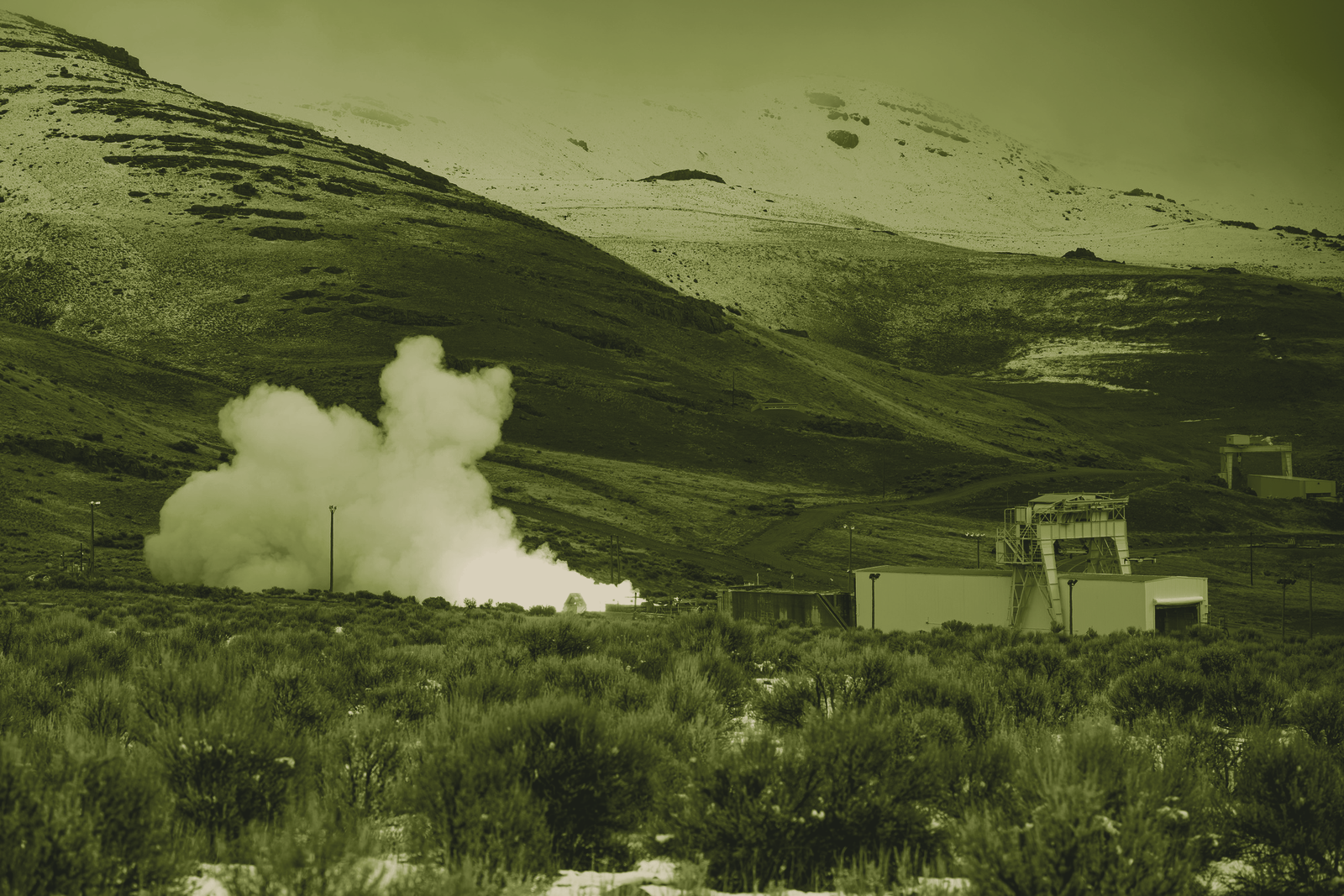
The hardest infrastructure project in Air Force history — the LGM-35A Sentinel is the intercontinental ballistic missile meant to replace the 1970-vintage Minuteman III as the land leg of the US nuclear triad: 400 deployed missiles, 450 launch sites, service into the 2070s. It is also America's most troubled strategic program: a critical cost breach in 2024 drove the estimate from $78 billion to at least $141 billion, the plan to reuse Minuteman silos was abandoned for digging entirely new ones, first flight has slipped four years to 2028, and the missile it replaces may now have to soldier on toward 2050.
Overview
The Sentinel — the Ground Based Strategic Deterrent (GBSD) until its 2022 naming — is the US Air Force's program to recapitalize the entire land-based leg of the nuclear triad: the 400 deployed Minuteman III ICBMs sitting in 450 silos across Wyoming, Nebraska, Colorado, Montana and North Dakota, plus the launch-control centers and cabling that make up more than 600 facilities in all. Northrop Grumman won the $13.3 billion engineering and manufacturing development contract in September 2020 as the sole bidder, with the original plan of record calling for 659 missiles, initial operational capability around 2029, and service to 2075. The missile itself — three solid-fuel stages, digitally engineered, modular by design, carrying the W87 warhead family — has largely hit its marks: full-scale qualification firings of Stage 1 (March 2025) and Stage 2 (July 2025) went cleanly. The program around it has not. A critical Nunn-McCurdy breach declared in January 2024 concluded in a certified 81 percent unit-cost growth — at least $141 billion — a rescinded Milestone B, and a root-and-branch restructuring whose central discovery was that the cost lives in the ground, not the missile: converting 55-year-old Minuteman silos proved riskier than digging entirely new ones, a decision formalized in May 2025. As of mid-2026 the restructure is due to complete by year-end, IOC is officially "the early 2030s," and the Government Accountability Office warns Minuteman III may have to serve 14 years longer than planned — through 2050.
🔒 The full LGM-35A Sentinel file is for BattlePolicy Pro members. Below the line: development history, design and capabilities, variants, the combat record, advantages and limitations, comparable systems, outlook, the full specifications table, our sourcing, and the analyst assessment — procurement, suppliers and the BattlePolicy verdict. Unlock the full file with BattlePolicy Pro →
Below this point
- Development
- Design & capabilities
- Variants
- Combat record / operational use
- Advantages
- Drawbacks / limitations
- Counterparts
- Outlook
- Key specifications
- Sources
- Analyst Section
- Procurement & contracts
- Suppliers & related companies
- Comparable systems — analyst view
- Analyst note