Navy Wires Its Strike Planners to an Autonomous MQ-20 Before Picking a Carrier Drone
A Gray Flag 2026 test sent a human-built mission plan to an autonomous MQ-20 Avenger, giving the Navy a platform-agnostic planning layer for combat drones it has not yet bought.
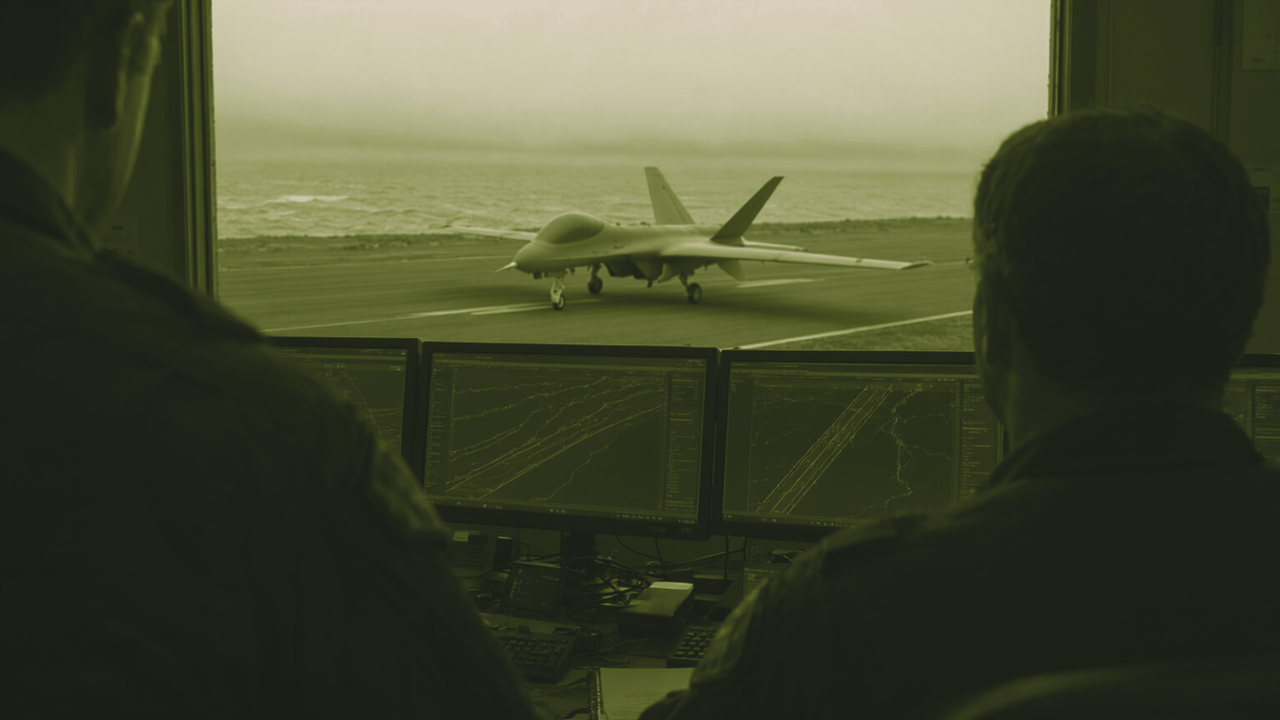
A Gray Flag 2026 test sent a human-built mission plan to an autonomous MQ-20 Avenger, giving the Navy a platform-agnostic planning layer for combat drones it has not yet bought.
The U.S. Navy sent a human-built mission plan to an autonomous General Atomics MQ-20 Avenger and let the jet carry it out during Gray Flag 2026 at California's Point Mugu Sea Range this month.
Frequently Asked Questions
What is CAMP?
Collaborative Autonomy Mission Planning is Navy software that converts a human-built mission plan, including roles, tasks, timing, authorities and restrictions, into a format an autonomous aircraft can execute, per the Navy's release.
Where and how was it tested?
During Gray Flag 2026 at the Point Mugu Sea Range in California in September. The PMX-281 team built a plan, sent it to a General Atomics MQ-20 Avenger surrogate and reviewed the results, according to the Navy.
Is the MQ-20 the Navy's future combat drone?
No. The Avenger served as a surrogate. The Navy has studies from Anduril, Boeing, General Atomics and Northrop Grumman for its Collaborative Combat Aircraft, and NAVAIR calls platform discussions pre-decisional, per Aviation Week.
What does the Navy want from CCA Increment 1?
A carrier-capable, weaponized, extended-range autonomous aircraft that can launch from and recover to aircraft carriers, NAVAIR said.
What did the test not show?
It did not involve multiple autonomous aircraft under one plan, degraded communications or an F-35C, as Army Recognition noted.
AI-generated summary, reviewed by an editor. More on our AI guidelines.
Read next — from the Lexicon
Below this point
6 more sections.

Marcus Schuler
Marcus Schuler edits BattlePolicy, a daily defense-technology brief connecting the companies and capabilities behind modern war to the contest among Europe, the US, Russia, and China.