Peresvet
Russia's mobile laser — unveiled in Putin's 2018 "super-weapons" speech, named for a warrior-monk — built to dazzle reconnaissance-satellite sensors and hide mobile ICBMs from orbit. Fielded since 2019, but almost everything about it is a Russian claim experts treat with caution.
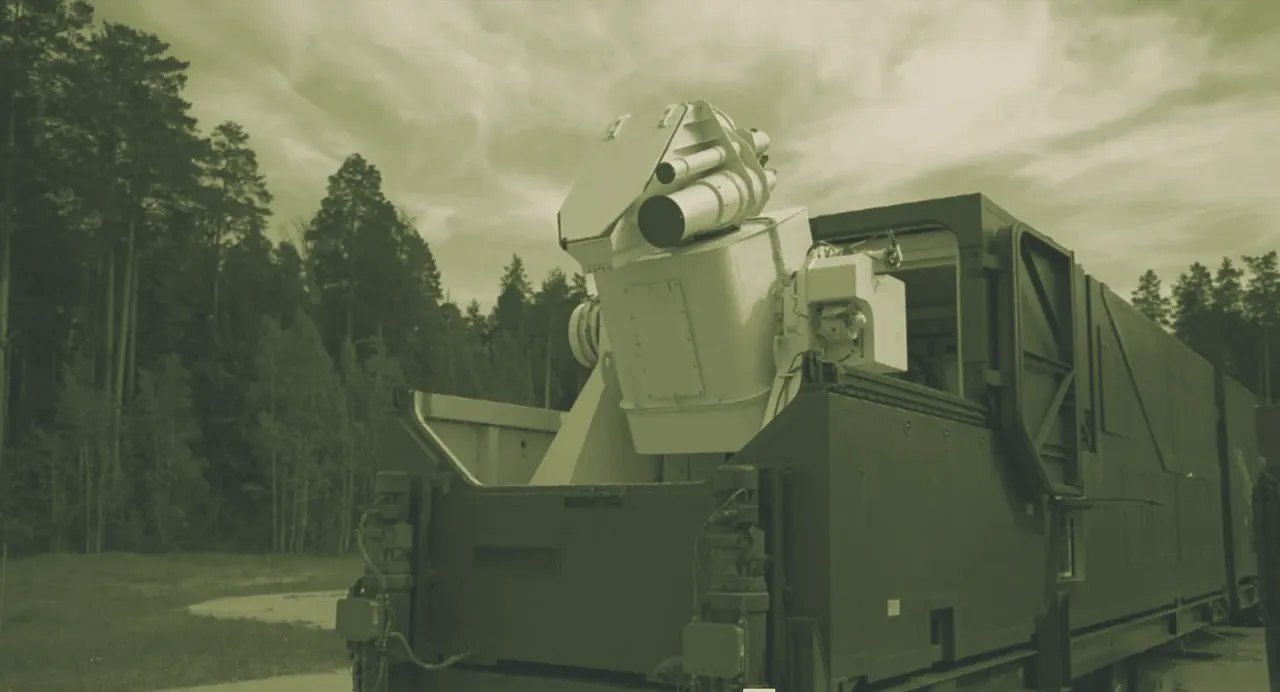
.jpg)
Russia's mobile laser complex — unveiled in Vladimir Putin's March 2018 "super-weapons" speech and named, by public vote, for the 14th-century warrior-monk Aleksandr Peresvet (the word also means "overexposure" in photography). Its stated job is counter-space: to dazzle or blind the optical sensors of reconnaissance and early-warning satellites, and so to hide Russia's road-mobile intercontinental ballistic missiles from orbit as they maneuver. It has been on combat duty since 2018 and in service since 2019 — yet almost everything specific about it is a Russian claim that Western experts urge caution about.
Overview
Peresvet is a truck-mounted, ground-based directed-energy (laser) system whose declared mission is to protect strategic assets — above all Russia's mobile RS-24 Yars-class ICBM divisions — by blinding the satellites that would watch them. Russian officials describe it as a "dazzler" that overwhelms a satellite's optical-electronic reconnaissance sensors during a pass; per Defence Blog, Russia's own Army Digest framed it as shielding missile divisions from optical-electronic reconnaissance satellites. It belongs in the counter-space / electronic-warfare domain because it attacks the sensing layer rather than destroying the satellite outright. The honest headline is that Peresvet is one of the least-verified systems in this Lexicon: its laser type, power, and real effect are classified or unknown, and the public picture rests on a handful of Russian statements amplified — and sharply questioned — by Western analysts.
🔒 The full Peresvet file is for BattlePolicy Pro members. Below the line: development history, design and capabilities, variants, the combat record, advantages and limitations, comparable systems, outlook, the full specifications table, our sourcing, and the analyst assessment — procurement, suppliers and the BattlePolicy verdict. Unlock the full file with BattlePolicy Pro →
Below this point
- Development
- Design & capabilities
- Variants
- Combat record / operational use
- Advantages
- Drawbacks / limitations
- Counterparts
- Outlook
- Key specifications
- Sources
- Analyst Section
- Procurement & contracts
- Suppliers & related companies
- Comparable systems — analyst view
- Analyst note