Royal Navy Flies Four Nyan Strike Drones Off HMS Queen Elizabeth, the Drone Ukraine Has Used on Russian Refineries
The first one-way strike drone launches from a British carrier put a small, catapult-launched munition into the Navy's plan for a hybrid air wing, with no service date or order yet.
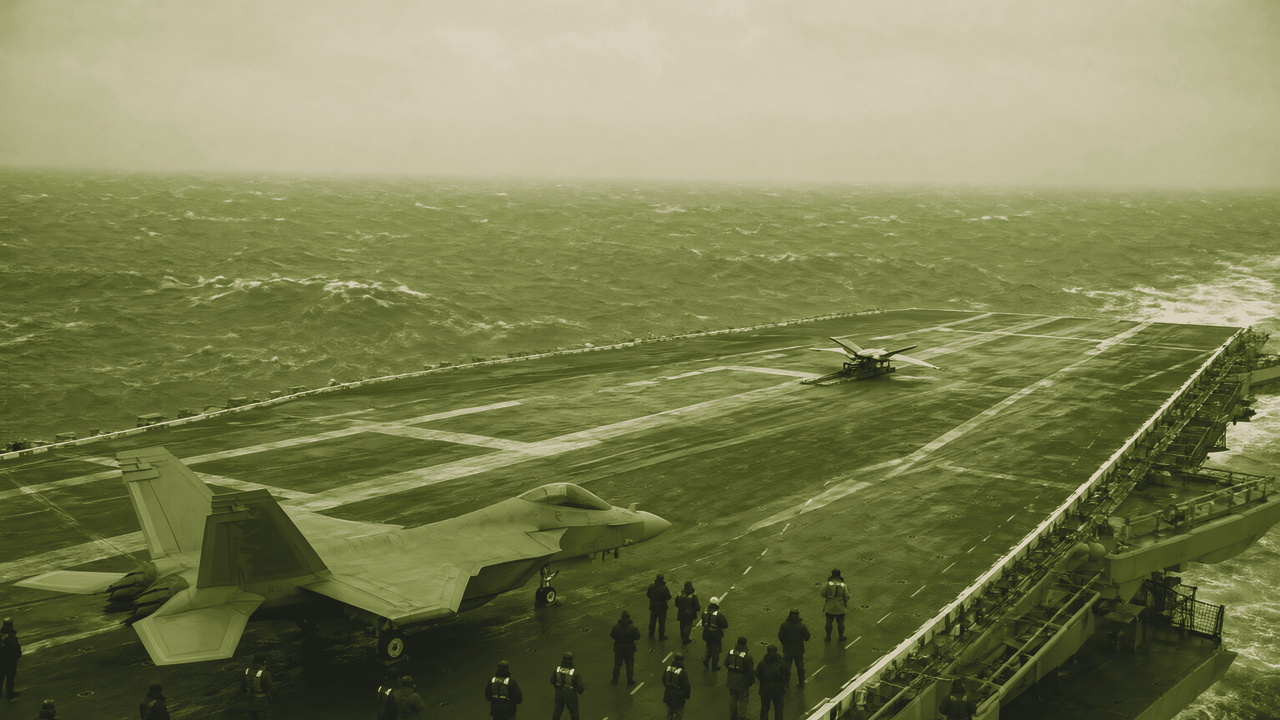
The first one-way strike drone launches from a British carrier put a small, catapult-launched munition into the Navy's plan for a hybrid air wing, with no service date or order yet.
The Royal Navy has launched one-way strike drones from an aircraft carrier for the first time, the service announced on Nov. 5, in North Atlantic trials aboard HMS Queen Elizabeth.
Frequently Asked Questions
What did the Royal Navy test?
Four Callen-Lenz Nyan one-way strike drones launched from HMS Queen Elizabeth during Exercise Neptune Reach B on Oct. 20, the first such launches from a British carrier. All four reached a pre-programmed target area at sea, where they were ditched, Navy Lookout reported.
What is Nyan?
A catapult-launched, gas-turbine one-way effector built in Wiltshire by Callen-Lenz, now part of BAE Systems. Navy Lookout gives a 2.9-meter wingspan, a cruise speed near 220 km/h and a range beyond 250 km.
Has Nyan been used in combat?
Ukraine has used British-made Nyan drones against Russian oil refineries in Volgograd and Yaroslavl, The Times reported in August 2026.
What else flew from the carrier?
A Tekever AR5 operated from a carrier for the first time during Heavy Lift Challenge 3. The Royal Navy gives it a 7-meter wingspan and an 80-kilogram carrying capacity.
When will Nyan enter carrier service?
No date, order quantity or payload has been announced. The Defence Investment Plan sets aside at least £210 million for low-cost, long-range one-way attack drones and almost £250 million for Project Pantheon.
AI-generated summary, reviewed by an editor. More on our AI guidelines.
Read next — from the Lexicon
Below this point
7 more sections.
Four Nyan aircraft flew from the deck during Exercise Neptune Reach B on Oct. 20, and all four reached their designated strike points, according to Navy Lookout. The target area was a pre-programmed patch of sea, where the drones were deliberately ditched. Crews tested different catapult positions on the flight deck. The trial follows Nyan's first launch at sea, from trials ship XV Patrick Blackett in June.
Nyan is built in Wiltshire by Callen-Lenz, now part of BAE Systems. It has a 2.9-meter wingspan, launches from a pneumatic catapult, runs on a small gas-turbine engine, cruises near 220 km/h and has a range beyond 250 km. Navy Lookout lists a modular payload bay and the ability to fly where satellite navigation is jammed.
Ukraine has used British-made Nyan drones against Russian oil refineries in Volgograd and Yaroslavl, The Times reported in August. Callen-Lenz won a £4.99 million Ministry of Defence contract for the system in February.
The carrier also hosted a Tekever AR5 during Heavy Lift Challenge 3, the type's first carrier operations. The Navy gives the AR5 a 7-meter wingspan and an 80-kilogram carrying capacity for logistics and operational missions.
Money is lined up behind the hybrid air wing. The Defence Investment Plan provides more than £5 billion for autonomous systems by 2030, including almost £250 million for Project Pantheon and at least £210 million for low-cost, long-range one-way attack drones across the three services.
No date for carrier service, order quantity or Nyan payload has been announced, and the trial did not test performance against defended targets, Navy Lookout cautioned.
A drone already flown into Russian refineries now has a carrier deck slot to earn, and the same plan funds trials of jet-powered drones alongside the F-35B force.

Marcus Schuler
Marcus Schuler edits BattlePolicy, a daily defense-technology brief connecting the companies and capabilities behind modern war to the contest among Europe, the US, Russia, and China.