Su-24 Fencer
The Soviet swing-wing bomber Ukraine turned into its hardest punch — a 1970s tactical strike jet improbably re-armed with British Storm Shadow and French SCALP cruise missiles, which it has used to gut Russia's Black Sea Fleet. The most obsolete airframe became the most potent strike system.
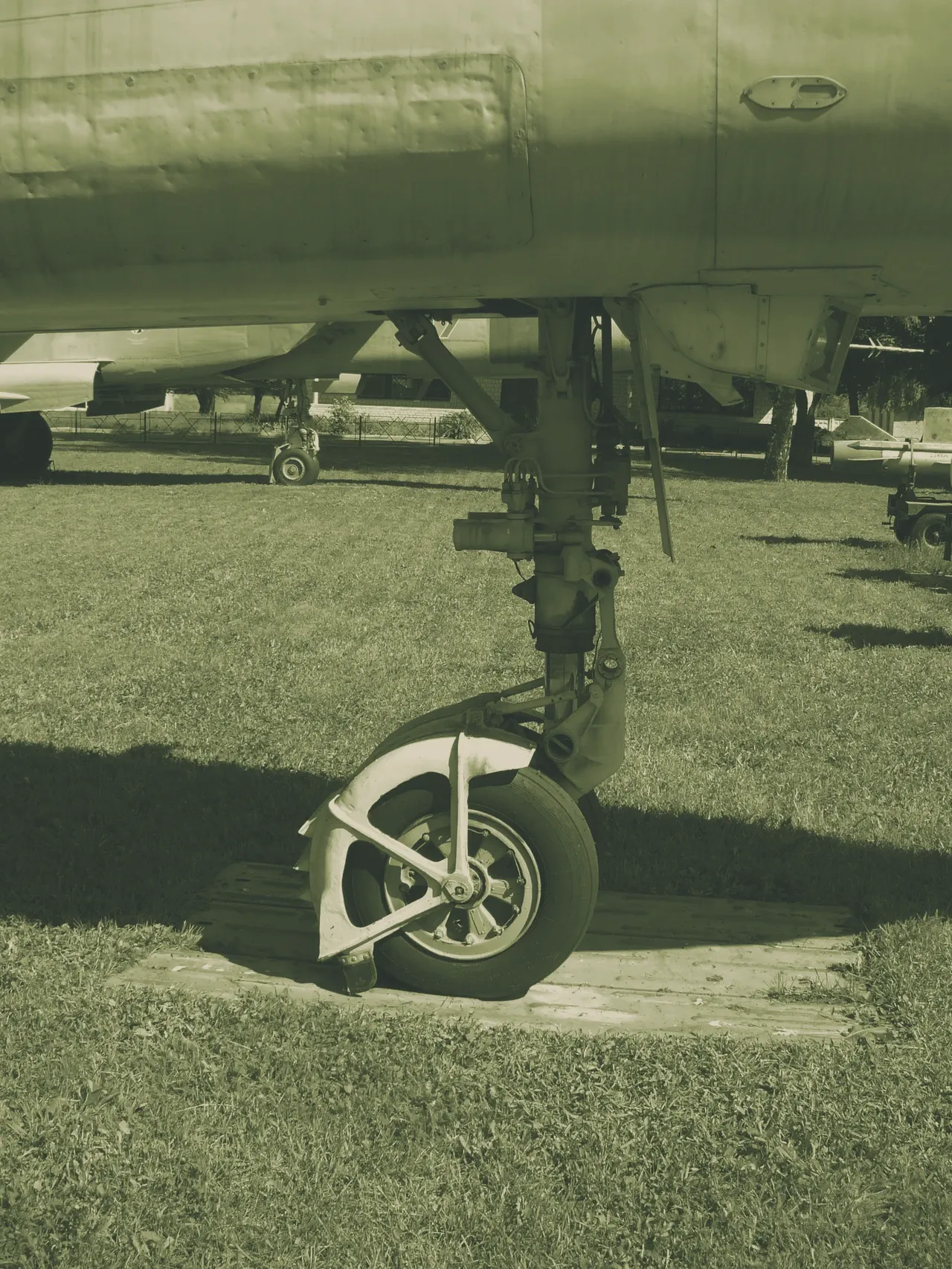

The Soviet swing-wing tactical bomber that Ukraine improbably turned into its single hardest-hitting weapon — a heavy 1970s strike jet re-armed with British Storm Shadow and French SCALP-EG cruise missiles, then used to strike deep into occupied Crimea and gut Russia's Black Sea Fleet, including its Sevastopol headquarters. In the words of one analysis, Ukraine took "the most obsolete aircraft they have" and made it "the most potent strike system they have."
Overview
The Su-24 (NATO: Fencer) is a twin-engine, two-seat, variable-geometry ("swing-wing") tactical strike bomber — the Soviet rough analogue to the American F-111. Designed for high-speed, low-level penetration to deliver ordnance under enemy radar, it was for decades the Soviet and Russian air forces' principal tactical bomber. Ukraine inherited a Fencer fleet in 1991 and, by 2022, regarded it as an aging, attrition-prone type. Its war changed in mid-2023, when Ukraine integrated Western air-launched cruise missiles onto the Su-24, making it the launch platform for the longest-range standoff weapons Kyiv possessed — and, with that, one of the most strategically consequential aircraft of the war despite being one of its oldest.
🔒 The full Su-24 Fencer file is for BattlePolicy Pro members. Below the line: development history, design and capabilities, variants, the combat record, advantages and limitations, comparable systems, outlook, the full specifications table, our sourcing, and the analyst assessment — procurement, suppliers and the BattlePolicy verdict. Unlock the full file with BattlePolicy Pro →
Below this point
- Development
- Design & capabilities
- Variants
- Combat record / operational use
- Advantages
- Drawbacks / limitations
- Counterparts
- Outlook
- Key specifications
- Sources
- Analyst Section
- Procurement & contracts
- Suppliers & related companies
- Comparable systems — analyst view
- Analyst note