Ukraine codifies the Vepr ground robot, a 350-kilo medevac mule from the front
Ukraine's Defense Ministry has cleared the combat-tested Vepr robot for Armed Forces service, part of a plan to contract more than 25,000 ground robots in 2026 and pull soldiers off frontline resupply and evacuation runs.
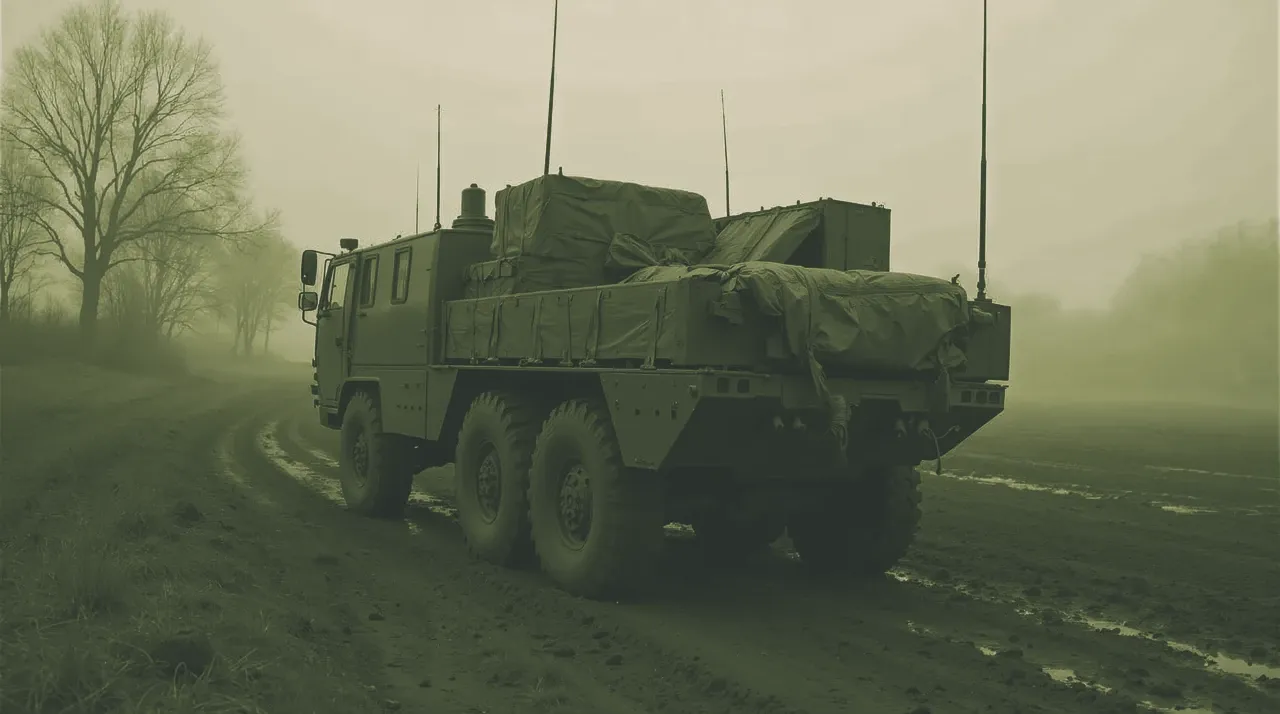
Ukraine's Defense Ministry has cleared the combat-tested Vepr robot for Armed Forces service, part of a plan to contract more than 25,000 ground robots in 2026 and pull soldiers off frontline resupply and evacuation runs.
Ukraine's Defense Ministry has codified the upgraded Vepr ground robotic complex for service in the Armed Forces, the ministry said on June 3, clearing a homegrown logistics-and-evacuation platform that has run on the front line since 2024, Defense Express and Interfax-Ukraine noted.
Vepr carries up to 350 kilograms of cargo and evacuates one or two wounded soldiers at a time, the ministry said. Two 1,500-watt electric motors move it at more than 7.5 km/h, with a battery good for nearly 40 kilometers, roughly 20 out and back, per Mezha and Censor.NET. The platform runs digital cameras and several communication channels, and the ministry said infantry from any unit can operate it after minimal training.
Beyond evacuation, the ministry statement carried by UNN and Censor.NET said Vepr also delivers ammunition, clears mines remotely, recovers damaged vehicles and other robots, and can be fitted as a one-way strike platform. Developers rebuilt it on two years of combat feedback before codification.
Roughly 80 domestic ground robots have been cleared for service since 2022, with the pace doubling this year, Euromaidan Press wrote. The Brave1 defense-tech platform counts about 270 manufacturers building 550 ground-robot models, the Christian Science Monitor noted from the Kharkiv region in late May. Ukrainian ground robots ran about 10,000 evacuation and logistics missions a month this spring, the ministry said, with 10,281 logged in April.
The Defense Ministry plans to contract more than 25,000 ground robots in the first half of 2026, twice the 2025 total, according to Mezha and Censor.NET. Parliament has exempted UGV supplies from value-added tax to speed deliveries.
The battlefield and the startup story — free in your inbox every week. No paywall.
Subscribe Free →The ministry's stated goal is to move all frontline logistics onto unmanned platforms, Mezha said. Whether codified designs like Vepr reach the front in those numbers is what the 2026 order will measure.
Frequently Asked Questions
What is the Vepr ground robot?
Vepr is a Ukrainian-made unmanned ground vehicle for logistics and casualty evacuation. The Defense Ministry, cited by Defense Express and Interfax-Ukraine, said it has operated on the front line since 2024 and was upgraded on combat feedback before being codified for Armed Forces service on June 3.
What can it carry and how far?
The ministry, per Mezha and Censor.NET, said Vepr hauls up to 350 kilograms or evacuates one or two wounded soldiers, runs on two 1,500-watt electric motors at more than 7.5 km/h, and covers nearly 40 kilometers on a charge.
What jobs does Vepr do besides medevac?
According to the ministry statement carried by UNN and Censor.NET, Vepr also delivers ammunition, clears mines remotely, recovers damaged vehicles and other robots, and can be configured as a one-way kamikaze strike platform.
How many ground robots is Ukraine fielding?
The Defense Ministry, cited by Mezha and Censor.NET, plans to contract more than 25,000 ground robots in the first half of 2026, twice the 2025 total. It said robots already run about 10,000 evacuation and logistics missions a month.
How big is Ukraine's ground-robot industry?
The Christian Science Monitor, reporting from the Kharkiv region, said the Brave1 platform counts about 270 manufacturers building 550 ground-robot models. Euromaidan Press noted roughly 80 domestic systems have been codified for service since 2022, with the pace doubling in 2026.
Why does codifying a robot matter?
Codification clears a system for official use and procurement across the Armed Forces. The ministry's stated aim, per Mezha and Censor.NET, is to shift all frontline logistics onto unmanned platforms, reducing how often soldiers must enter fire to resupply or evacuate.
AI-generated summary, reviewed by an editor. More on our AI guidelines.

Marcus Schuler
Marcus Schuler edits BattlePolicy, a daily defense-technology brief connecting the companies and capabilities behind modern war to the contest among Europe, the US, Russia, and China.