Ukraine's interceptor drones now down Shaheds on autopilot
Ukraine's defense ministry says a Brave1-backed interceptor automates 95% of a Shahed intercept, leaving the operator to pick the target and clear the shot.
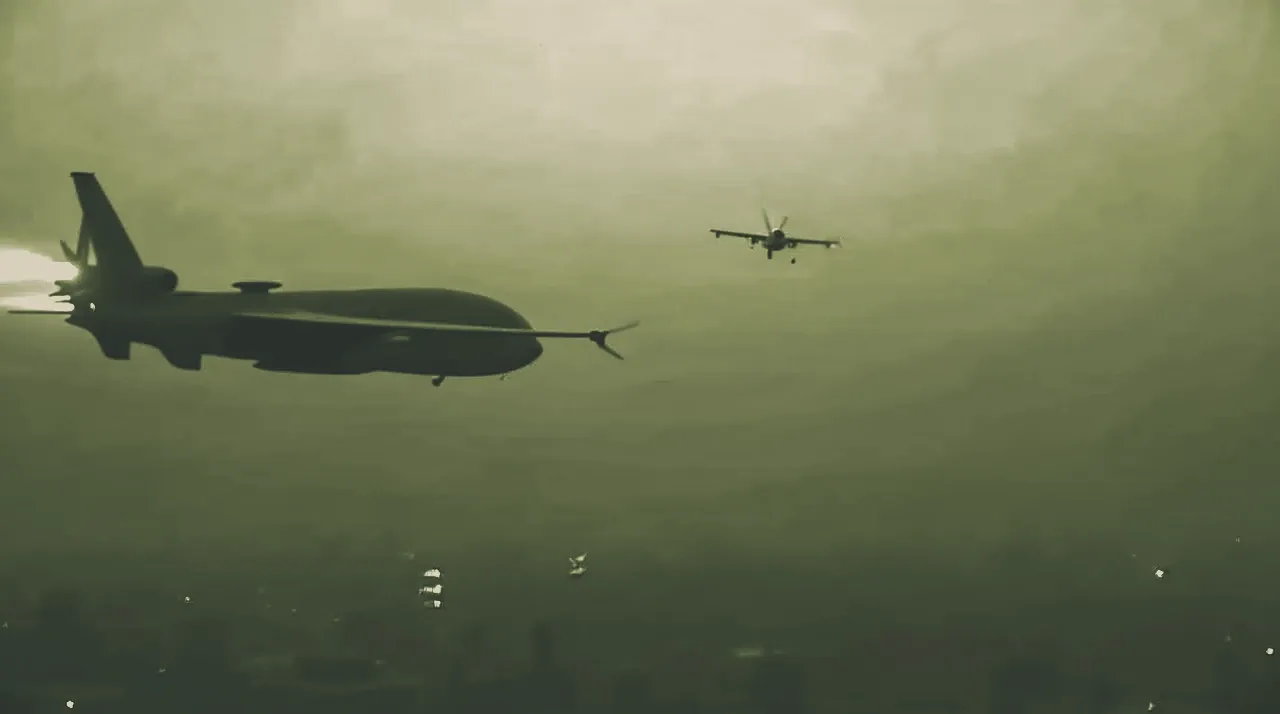
Ukraine's defense ministry says a Brave1-backed interceptor automates 95% of a Shahed intercept, leaving the operator to pick the target and clear the shot.
Ukraine has fielded an interceptor drone that destroys Russian Shahed loitering munitions with the pilot out of the terminal loop, Ukraine's Ministry of Defence said Monday. The system automates 95 percent of the interception, from launch to kill, and passed combat testing over Kharkiv Oblast, according to Defense Minister Mykhailo Fedorov.
The operator selects the target off a live display and clears the strike, Ukrinform reported. From there the drone guides itself to the Shahed and homes in without further input. Fedorov said the developer, a participant in the state-backed Brave1 cluster, moved from prototype to combat use in under a year. He did not name the company.
The system attacks an operator-throughput limit. A pilot can fly one interceptor at a time through a night engagement, and Russia structures its Shahed raids to swamp that ceiling, launching dozens to hundreds of drones at once from several directions, The Defence Blog noted. Autonomous terminal guidance lets one operator run several intercepts at once. The economics already favor the method, since a drone-on-drone interceptor costs a fraction of a surface-to-air missile worth many times its Shahed target.
The battlefield and the startup story — free in your inbox every week. No paywall.
Subscribe Free →Fedorov's announcement extends a year of Ukrainian interceptor work rather than a standalone program. More than 10 manufacturers have integrated the interception software, according to Ukrainska Pravda, and some platforms now fly from hundreds of kilometers behind the line. The 95-percent figure marks the move from the human flying the intercept to the human authorizing it.
The capability also has a market behind it. Europe committed nearly 1.6 billion euros for drones for Ukraine over the first four months of 2026, per Ukrinform, and Kyiv has proposed trading future interceptors to Germany for Patriot missiles. Fedorov said the ministry is scaling solutions "that have already proven their effectiveness in combat conditions," with production volume and nightly intercept rates the next figures to watch.
FAQ
What did Ukraine actually announce?
Defense Minister Mykhailo Fedorov said a developer inside the Brave1 defense-tech cluster built an interceptor drone that automates 95 percent of the Shahed interception cycle, from launch to destruction, and that it passed combat testing in Kharkiv Oblast, according to Ukrinform and Ukrainska Pravda.
Is the drone fully autonomous?
No. Fedorov said a human operator still watches the live target display, selects the Shahed, and authorizes the strike. The drone then guides itself to the target, identifies it, and homes in without further input, per the Ministry of Defence.
Why does automating the intercept matter?
A pilot can fly only one interceptor at a time, while Russia launches dozens to hundreds of Shaheds at once to swamp that ceiling, The Defence Blog reported. Autonomous terminal guidance lets one operator run several intercepts in parallel.
What is a Shahed?
The Shahed-136 is an Iranian-designed one-way attack drone that Russia builds under license and has launched in the thousands at Ukrainian cities and infrastructure since late 2022, carrying a 40-to-50-kilogram warhead, per The Defence Blog.
Who built the system?
Fedorov did not name the company. He credited the state-backed Brave1 cluster, which links Ukrainian defense startups with military testers, grant funding, and fast-tracked procurement, for moving the developer from prototype to combat use in under a year.

Marcus Schuler
Marcus Schuler edits BattlePolicy, a daily defense-technology brief connecting the companies and capabilities behind modern war to the contest among Europe, the US, Russia, and China.