AT-6 Wolverine
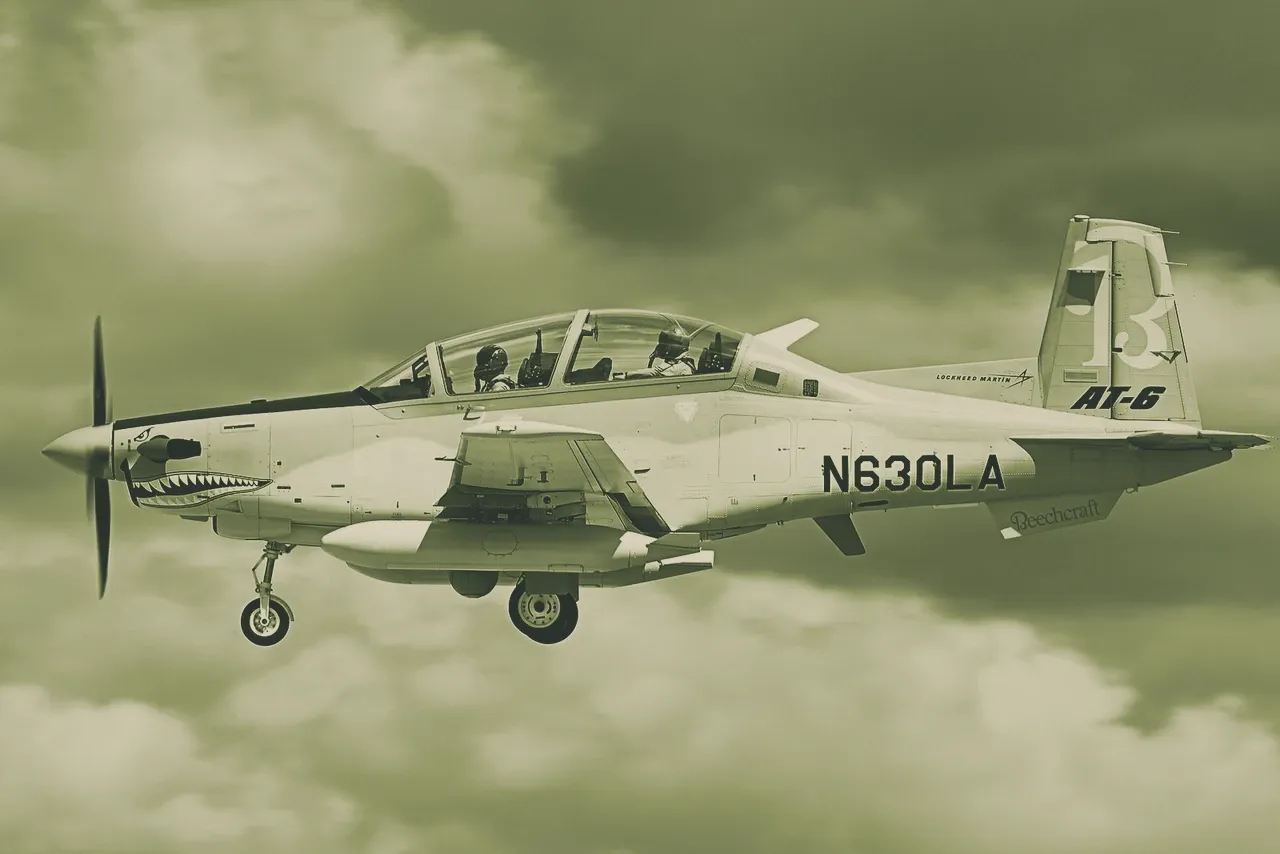
The AT-6 Wolverine is the A-29 Super Tucano's perennial bridesmaid — Textron's armed version of the T-6 Texan II trainer, faster and with ejection seats, sharing thousands of trainers' logistics. Yet it lost every big competition to the A-29 and to the OA-1K, and only Thailand ever bought it.
.jpg)
The light-attack plane that kept coming second — the AT-6 Wolverine is Textron's armed turboprop built on the T-6 Texan II trainer, and on paper it should have won: it is faster than the A-29 Super Tucano, has ejection seats the OA-1K lacks, and rides on the logistics tail of thousands of T-6 trainers already in US and allied service. Yet it lost the Afghan light-attack competition to the A-29, produced no US buy from the OA-X experiment, and lost Armed Overwatch to the OA-1K. About ten have ever been built — two American test aircraft headed for divestment, and eight for Thailand, its only real customer. It is the strong contender that never converted.
Overview
The AT-6 Wolverine (production variant AT-6E) is a light-attack and armed-reconnaissance turboprop from Textron Aviation Defense (Beechcraft), derived from the T-6 Texan II trainer — itself a development of the Pilatus PC-9, and cousin to the PC-21. Its selling point was always commonality: with thousands of T-6 trainers flying in US, allied and partner air forces, the AT-6 promised a shared logistics, parts and training pipeline no rival could match — plus real advantages over its competitors, a higher top speed (~510 km/h) and Martin-Baker ejection seats (which the OA-1K does not have). Its avionics were its pitch: an A-10C mission computer, F-16-style controls, a helmet-mounted cueing system, Link-16, a WESCAM MX-15D sensor turret, and six hardpoints for Hellfire, APKWS rockets and guided bombs. And yet the AT-6's history is a chronicle of near-misses: it lost the Afghan Light Air Support competition to the A-29, it and the A-29 both emerged from the 2017–2019 OA-X Light Attack Experiment as finalists with no program of record, and it lost SOCOM's Armed Overwatch to the OA-1K Skyraider II in 2022. The US bought just two for experiments (now slated for divestment); the only operational light-attack buyer is Thailand (eight AT-6THs, delivered 2024–2025). With roughly ten built in total, the AT-6 is the light-attack class's strongest also-ran — a capable aircraft whose commonality advantage never converted into orders, now repitched as a counter-drone platform in search of a market.
🔒 The full AT-6 Wolverine file is for BattlePolicy Pro members. Below the line: development history, design and capabilities, variants, the combat record, advantages and limitations, comparable systems, outlook, the full specifications table, our sourcing, and the analyst assessment — procurement, suppliers and the BattlePolicy verdict. Unlock the full file with BattlePolicy Pro →
Below this point
- Development
- Design & capabilities
- Variants
- Combat record / operational use
- Advantages
- Drawbacks / limitations
- Counterparts
- Outlook
- Key specifications
- Sources
- Analyst Section
- Procurement & contracts
- Suppliers & related companies
- Comparable systems — analyst view
- Analyst note