Autonomous targeting for Shahed-class strike drones enters combat testing, Ukraine's drone analyst says
The one job still left to a human, choosing the target and deciding to strike, is the part both sides are now racing to automate, which would strip electronic warfare of its main defense.
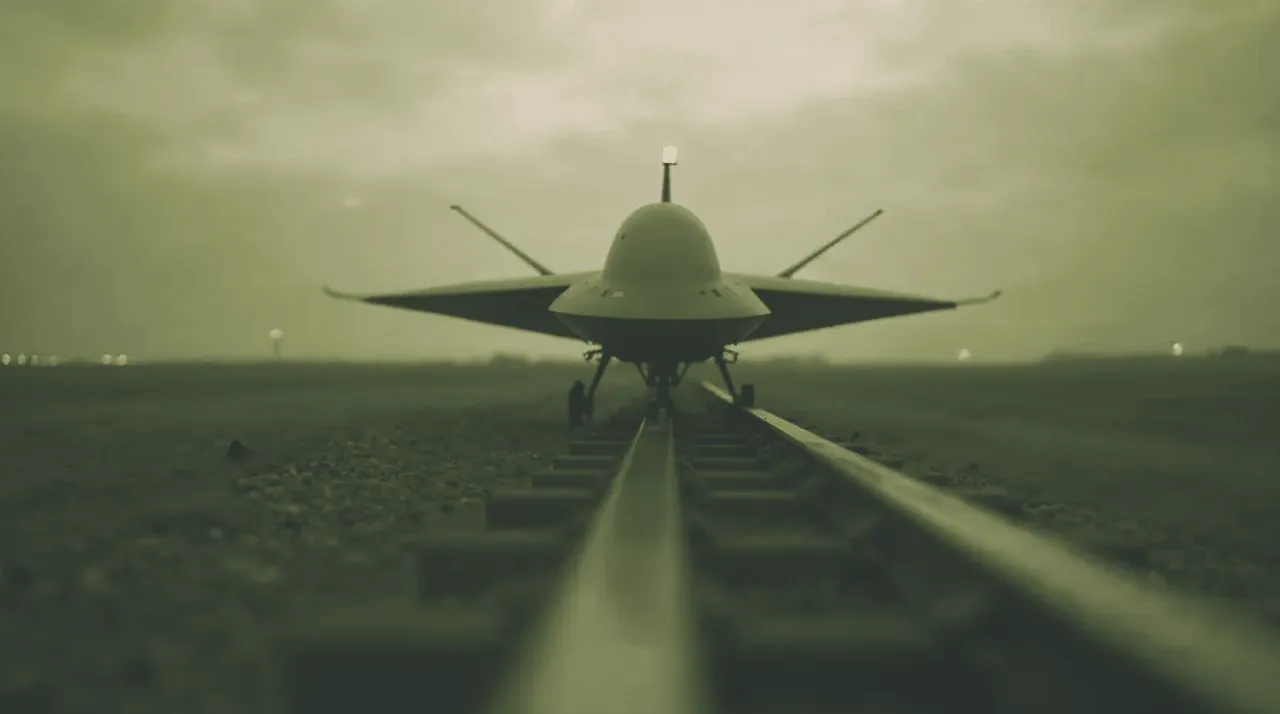
The one job still left to a human, choosing the target and deciding to strike, is the part both sides are now racing to automate, which would strip electronic warfare of its main defense.
The next stage of attack drones is software that recognizes a target, ranks it, and decides on its own to strike, Business Insider reported, citing Serhii "Flash" Beskrestnov, an adviser to Ukraine's defense ministry on drone warfare. "Analyzing targets by priority, selecting a target, and autonomously deciding to attack are undoubtedly the near future for the entire class of strike UAVs," he wrote.
That capability is not fielded. Automatic target selection is "only going through the first stages of combat testing" on both the Ukrainian and Russian sides, Beskrestnov said. Russia's Shahed and Geran drones can already hold an object in frame with Chinese optics and a neural network, he noted, but a human still designates the target and flies the last approach. The Shahed-136 has no automatic target lock before impact, the adviser told ANTIKOR.
The pieces are arriving one at a time. Terminal guidance, where the drone steers itself onto the target in the final seconds, already runs on Ukrainian and Russian fixed-wing drones, Beskrestnov said. Ukraine's interceptors use the same machine vision: Tenebris's Bagnet hits targets with no GPS or radio link, and Wild Hornets' Sting locks on autonomously above 300 km/h, EE Times reported. Ukraine has written the approach into doctrine, standing up a Defense AI Center A1 at its defense ministry in March to push AI into the kill chain, Euromaidan Press reported. Its head, Danylo Tsvok, says a human still keeps the final call.
Electronic warfare works by cutting a drone's radio link or spoofing its satellite navigation. A drone that finds and hits a target with neither leaves a jammer nothing to break, on a weapon Russia already builds by the thousand and throws in waves of hundreds.
The battlefield and the startup story — free in your inbox every week. No paywall.
Subscribe Free →What to watch: whether the autonomous-attack step clears trials and turns up on the Geran's next version, which Ukraine says is already on its fifth.
Frequently Asked Questions
What did Ukraine's drone adviser actually say?
Serhii "Flash" Beskrestnov said analyzing targets by priority, selecting one, and autonomously deciding to attack is the near future for the entire class of strike UAVs, and that it is in the first stages of combat testing on both sides, per Business Insider.
Do Russia's Shahed drones already pick their own targets?
No. The Shahed-136 has no automatic target lock before impact; its cameras can hold an object in frame, but an operator still designates the target and guides the final approach, Beskrestnov told ANTIKOR.
What is terminal guidance, and is it fielded?
It is AI steering a drone onto its target in the final seconds. Beskrestnov said it already runs on some Ukrainian and Russian fixed-wing drones, per Business Insider, which is harder on a winged platform than on a quadcopter.
Why does autonomous targeting matter against electronic warfare?
Electronic warfare works by cutting a drone's radio link or spoofing its satellite navigation. A drone that finds and strikes a target with on-board machine vision instead gives jammers little to disrupt, per Business Insider.
What is Ukraine's Defense AI Center A1?
An AI center set up at Ukraine's defense ministry in March to push AI into the kill chain, from data analysis to striking the target, though its head Danylo Tsvok says a human keeps the final call, per Euromaidan Press.
AI-generated summary, reviewed by an editor. More on our AI guidelines.

Marcus Schuler
Marcus Schuler edits BattlePolicy, a daily defense-technology brief connecting the companies and capabilities behind modern war to the contest among Europe, the US, Russia, and China.