Blackstone Builds Falcata Around Interceptor Guidance 'Brains'
Blackstone has combined TSC and ASEI into Falcata, a company built to expand output of the seekers, guidance electronics and navigation systems inside the cheaper interceptors needed against mass drone and missile threats.
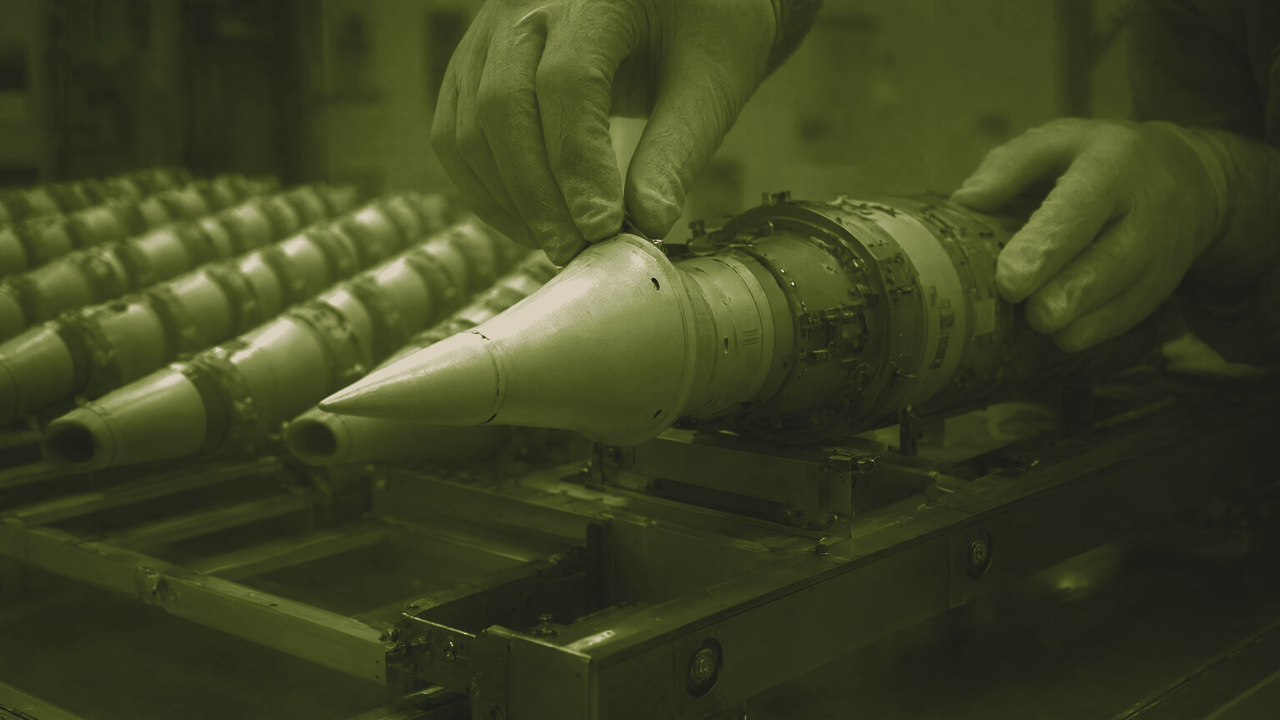
Blackstone has combined TSC and ASEI into Falcata, a company built to expand output of the seekers, guidance electronics and navigation systems inside the cheaper interceptors needed against mass drone and missile threats.
Blackstone launched Falcata on Oct. 1, a defense technology company formed through the acquisition and combination of Technology Service Corp. (TSC) and Applied Systems Engineering Inc. (ASEI). Falcata builds sensing, guidance, navigation and control technologies for interceptors that counter drones, missiles and other aerial threats. Brandon Wolfson is chief executive.
Read next — from the Lexicon
Below this point
7 more sections.
Blackstone gave no figure for what it called a "significant investment." People familiar with the transactions told Bloomberg the firm provided more than $1 billion in debt and equity to complete the acquisitions.
The combined portfolio spans advanced seekers and radar, guidance electronics, control actuation systems, GPS-denied navigation, intelligence, surveillance and reconnaissance (ISR) technologies and launchers. Falcata will keep both companies' existing programs and customers while adding manufacturing capacity, technology and staff, the release states.
Inexpensive drones, missiles and other weapons can now be deployed at significant scale, and recent conflicts have raised demand for more affordable interceptors and the technologies needed to produce them, Blackstone said.
"One of the choke points in the defense industrial base has been the availability of interceptors, and some of the highest costs are for its 'brains' for navigation and guidance," David Kaden, the senior managing director who leads Blackstone's defense investing, told Bloomberg. Integrating the two firms' technologies is meant to deliver lower-cost navigation and guidance, he added.
Producing more interceptors requires greater capacity in the sensing, guidance, navigation and control technologies inside them, Falcata Chairman Jonathan Moneymaker said.
Blackstone President Jon Gray told the Pennsylvania Defense & Innovation Summit in July that the firm had put $20 billion into defense and aerospace over the prior five years and expected the scale and pace of that investment to increase. Carlyle Group announced a middle-market aerospace, defense and industrials unit earlier this year.
Kaden said Blackstone expects to buy more companies for Falcata, adding private capital to the guidance hardware that Moneymaker says interceptor output depends on.

Marcus Schuler
Marcus Schuler edits BattlePolicy, a daily defense-technology brief connecting the companies and capabilities behind modern war to the contest among Europe, the US, Russia, and China.