Drone Raid Sparks Reported Fire at Russia's Azot Plant, at Least the Third Strike Since June
Ukrainian intelligence ties the Novomoskovsk Azot plant's nitric acid to an RDX and HMX explosives maker, and a 2025 investigation tied Lipetsk's NLMK steel to Russian missile and drone builders.
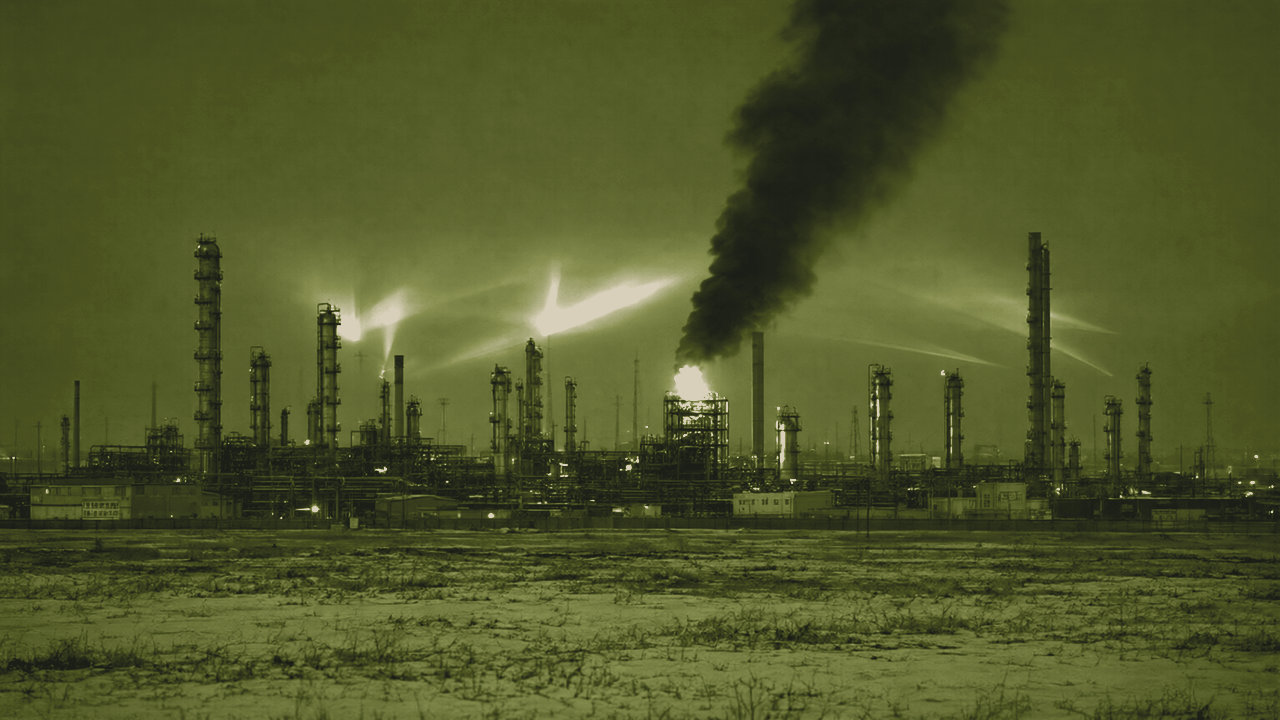
Ukrainian intelligence ties the Novomoskovsk Azot plant's nitric acid to an RDX and HMX explosives maker, and a 2025 investigation tied Lipetsk's NLMK steel to Russian missile and drone builders.
Drones set fire to the Azot chemical plant in Novomoskovsk, Russia's Tula region, overnight Oct. 28, monitoring channel Exilenova+ and the Russian outlet Astra said. Kyiv has not commented on its involvement, according to Kyiv Post.
Azot, part of EuroChem, makes ammonia, ammonium nitrate, urea and methanol, and its nitric acid and ammonium nitrate also go into explosives and ammunition, according to OSINT Varta. The AM-70 ammonia production unit may have been struck, Militarnyi assessed from publicly released footage.
Frequently Asked Questions
What was hit in Novomoskovsk?
Monitoring channel Exilenova+ and the outlet Astra identified the target as the EuroChem-owned Azot chemical plant. Tula Gov. Dmitry Milyaev confirmed damage in the industrial zone but did not name the plant.
Why does Azot matter to Russia's military?
Ukrainian intelligence says Azot shipped nearly 5,000 metric tons of nitric acid to the Sverdlov Plant in Dzerzhinsk, which makes the explosives RDX and HMX, between February 2022 and September 2024.
Has Azot been attacked before?
Yes. Militarnyi says a June 14 strike destroyed a production workshop and damaged ammonia units, and Astra reported another attack on June 26.
Was the NLMK steel plant in Lipetsk damaged?
Unconfirmed. Exilenova+ reported a fire on the plant's premises, while Lipetsk Gov. Igor Artamonov called reports of a major industrial fire "not true" and blamed debris for a woodland fire.
Did Ukraine claim the strikes?
Kyiv had not commented on its involvement, according to Kyiv Post. Russia's Defense Ministry claimed it destroyed 531 Ukrainian drones overnight.
AI-generated summary, reviewed by an editor. More on our AI guidelines.
Read next — from the Lexicon
Below this point
7 more sections.
Ukrainian intelligence says the plant shipped nearly 5,000 metric tons of nitric acid between February 2022 and September 2024 to the Sverdlov Plant in Dzerzhinsk, which produces the military explosives RDX and HMX.
Tula Gov. Dmitry Milyaev blamed falling drone debris for damage to an apartment building, private homes and nearby industrial infrastructure. He did not name Azot. He sent environmental and consumer-safety laboratories to Novomoskovsk, and the extent of the damage was still being clarified.
This would be at least the third reported strike on Azot since June. A June 14 strike destroyed a production workshop and damaged ammonia units, Militarnyi wrote. Astra reported another attack June 26.
In Lipetsk, a fire broke out on the premises of Novolipetsk Steel, known as NLMK, late Oct. 27 after air defenses engaged, Exilenova+ claimed. NLMK is Russia's largest steel plant, with capacity for 17 million tons of liquid steel a year. A 2025 Ukrainska Pravda investigation found the plant supplies Russian makers of air defense systems, drones and missiles.
Lipetsk Gov. Igor Artamonov called reports of a major industrial fire "not true." He said drone debris ignited woodland, the fire was contained, and 45 drones were downed over the region.
Russia's Defense Ministry claimed 531 Ukrainian fixed-wing drones were destroyed between 8 p.m. Oct. 27 and 8 a.m. Oct. 28 Moscow time.
Azot has now drawn at least three reported strikes since mid-June, and the first of them already cost it a workshop. The next marker is official: what Milyaev's laboratories find in Novomoskovsk, and whether footage confirms the AM-70 ammonia unit is down.

Marcus Schuler
Marcus Schuler edits BattlePolicy, a daily defense-technology brief connecting the companies and capabilities behind modern war to the contest among Europe, the US, Russia, and China.