Hai Kun Submarine
Taiwan's home-built deterrent — the Hai Kun ("Narwhal") is the island's first indigenous submarine, built with quiet foreign help to give Taipei a stealthy weapon that could threaten any Chinese invasion fleet. After decades unable to buy submarines abroad, Taiwan built its own.
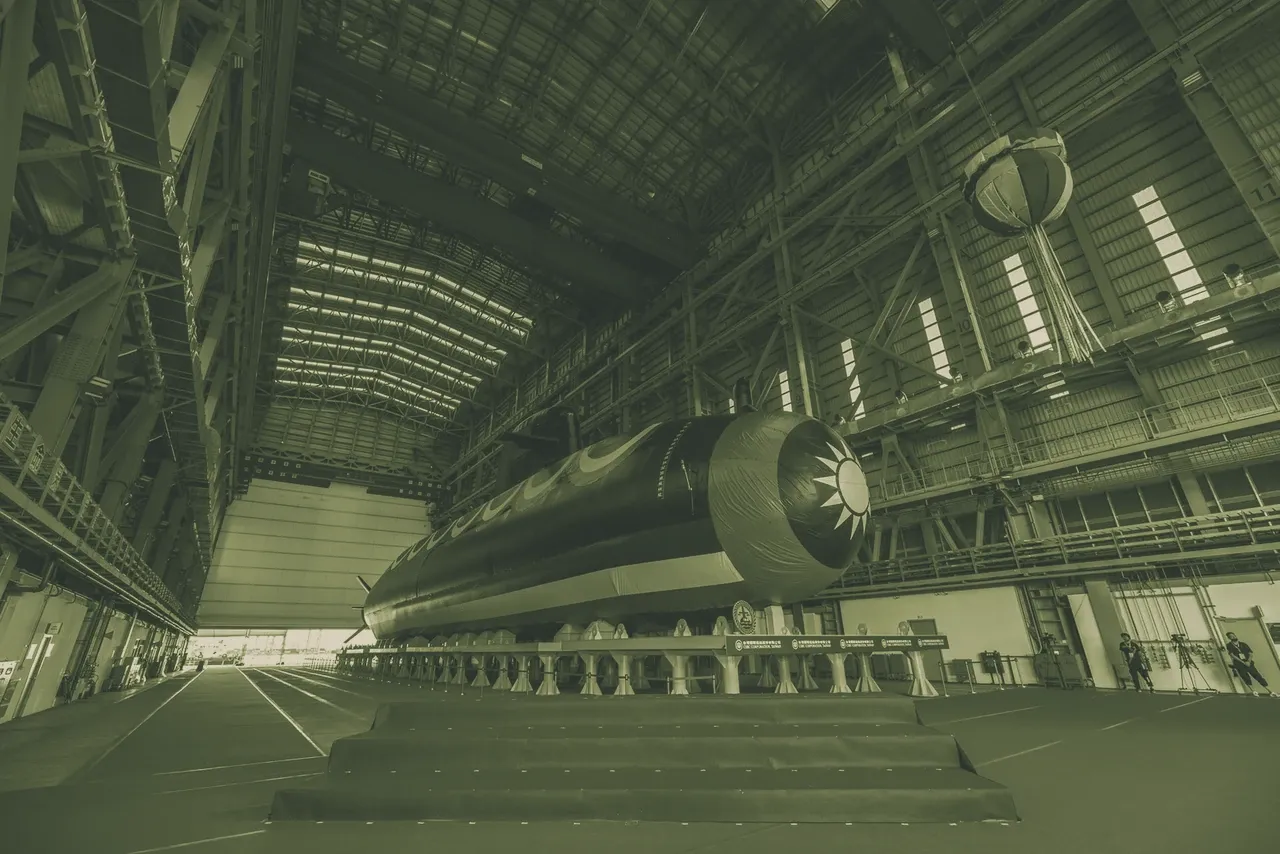

Taiwan's home-built deterrent — the Hai Kun ("Narwhal") is the island's first indigenously-built submarine, the product of a determined national program to do what Taiwan could not do on the open market: acquire modern submarines. Blocked for decades from buying boats abroad by Chinese diplomatic pressure, Taipei built its own — with quiet help from foreign engineers and suppliers — to field a stealthy, hard-to-find weapon that could threaten any Chinese fleet attempting a blockade or invasion. A fleet of up to eight is planned, making the Hai Kun a centrepiece of Taiwan's asymmetric defence.
Overview
The Hai Kun (hull number SS-711, also called the Indigenous Defense Submarine (IDS) or Narwhal) is Taiwan's first domestically-built submarine, constructed by CSBC Corporation. It is a conventional diesel-electric attack submarine of roughly 2,500–3,000 tonnes, around 70 m long, armed with heavyweight torpedoes and anti-ship missiles and fitted with modern sonar and a combat system. Its purpose is strategic and asymmetric: submarines are among the hardest weapons to detect and counter, and even a small force of capable boats could impose serious risk on a Chinese amphibious-invasion or blockade fleet, complicating Beijing's plans and strengthening deterrence. The Hai Kun's significance lies as much in that Taiwan built it at all as in the boat itself — overcoming the island's exclusion from the international submarine market through an indigenous program quietly assisted by foreign expertise.
🔒 The full Hai Kun Submarine file is for BattlePolicy Pro members. Below the line: development history, design and capabilities, variants, the combat record, advantages and limitations, comparable systems, outlook, the full specifications table, our sourcing, and the analyst assessment — procurement, suppliers and the BattlePolicy verdict. Unlock the full file with BattlePolicy Pro →
Below this point
- Development
- Design & capabilities
- Variants
- Combat record / operational use
- Advantages
- Drawbacks / limitations
- Counterparts
- Outlook
- Key specifications
- Sources
- Analyst Section
- Procurement & contracts
- Suppliers & related companies
- Comparable systems — analyst view
- Analyst note