China
Taiwan's NT$1.1225 Trillion Budget Leaves the Drone Order Unsettled
Taipei has cleared 3 percent of GDP, but the uncrewed mass that could decide a fight in the Strait remains trapped in a separate dispute over how money becomes orders.
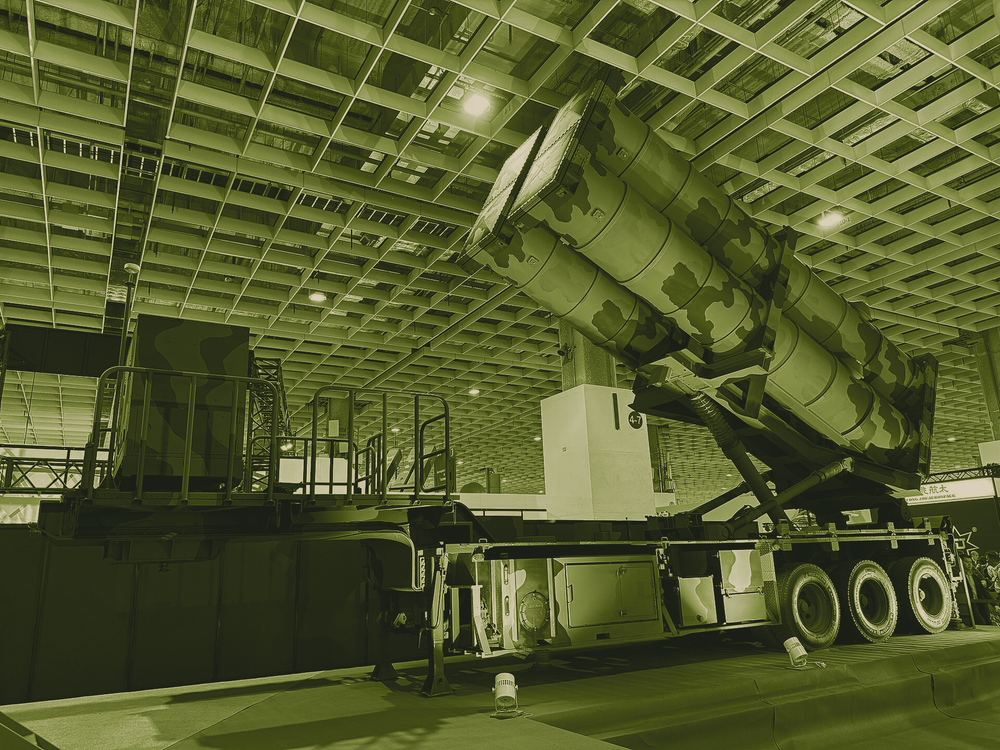
Taiwan's indigenous high-altitude anti-ballistic missile system, designed to provide the upper interception tier of the planned T-Dome air and missile defense network.
Taipei has cleared 3 percent of GDP, but the uncrewed mass that could decide a fight in the Strait remains trapped in a separate dispute over how money becomes orders.
Taiwan's "carrier killer" — the ramjet-powered Hsiung Feng III streaks toward enemy ships at around Mach 3, too fast for many defences to react. Fired from warships, coastal batteries and fighter jets, it is a core asymmetric weapon meant to make any Chinese invasion fleet pay a heavy price.
Taiwan's home-built deterrent — the Hai Kun ("Narwhal") is the island's first indigenous submarine, built with quiet foreign help to give Taipei a stealthy weapon that could threaten any Chinese invasion fleet. After decades unable to buy submarines abroad, Taiwan built its own.
China's 40,000-ton amphibious "light carrier" — a helicopter assault ship that lands troops, vehicles and air assault forces over the horizon, built in numbers as the maritime spearhead of any future move on Taiwan. The PLAN's amphibious apex.
Ukrainian drone makers are pitching Japan and Taiwan their combat-proven systems, turning four years of war with Russia into an export-and-deterrence play aimed at China.
Beijing fielded the HQ-16F, a Patriot-class mobile air-defense missile, opposite Taiwan in the same weeks the US burned through the interceptors it would need to defend the island. The contest is magazine depth, not exquisite platforms.