Leopard 1A5
The Leopard 1A5 is a late Cold War modernization of Germany's mobility-focused Leopard 1, combining a 105 mm rifled gun with improved fire control and thermal night-fighting equipment.
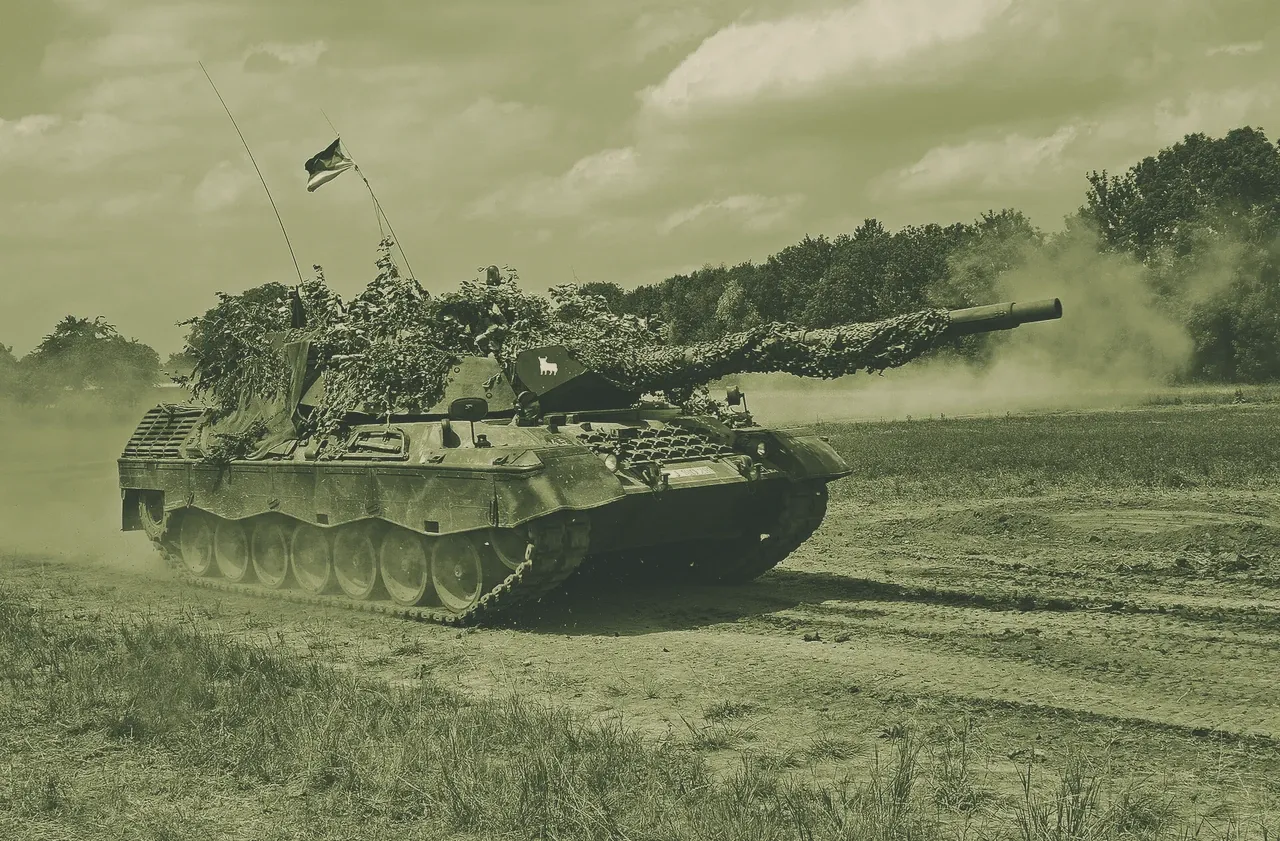

A late Cold War modernization of Germany's Leopard 1 main battle tank, pairing a mobile, lightly protected chassis and 105 mm rifled gun with improved fire control and thermal night-fighting equipment.
Overview
The Leopard 1A5 is the principal late-life modernization of the German Leopard 1, a main battle tank designed around mobility, firepower and maintainability rather than the heavy passive protection adopted by later Western tanks. The A5 retained the four-person crew, 105 mm rifled gun and 610 kW (820 hp) diesel powerpack of earlier Leopard 1 models while adding a computerized fire-control system, laser rangefinder and thermal sight. These changes made the tank more effective at night and in poor visibility without fundamentally changing the protection limits of its 1960s-era chassis.
Germany retired the Leopard 1 from active service, but upgraded national variants remain in service elsewhere. Since 2023, Germany, Denmark and the Netherlands have drawn Leopard 1A5-family vehicles from European industrial stocks for refurbishment and transfer to Ukraine. The resulting program treats the tank less as a peer competitor to modern heavy armor than as an available mobile direct-fire platform supported by a mature European maintenance and 105 mm ammunition base.
🔒 The full Leopard 1A5 file is for BattlePolicy Pro members. Below the line: development history, design and capabilities, variants, the combat record, advantages and limitations, comparable systems, outlook, the full specifications table, our sourcing, and the analyst assessment — procurement, suppliers and the BattlePolicy verdict. Unlock the full file with BattlePolicy Pro →
Below this point
- Development
- Design & capabilities
- Variants
- Combat record / operational use
- Advantages
- Drawbacks / limitations
- Counterparts
- Outlook
- Key specifications
- Sources
- Analyst Section
- Procurement & contracts
- Suppliers & related companies
- Comparable systems: analyst view
- Analyst note