NATO-Ukraine AI Model Maps Tomorrow's Russian Drone Threat Behind the Front
Model 13 gives Ukrainian commanders a cell-by-cell forecast of Russian drone activity 5 to 50 km behind the line, but Kyiv has published no accuracy figures.
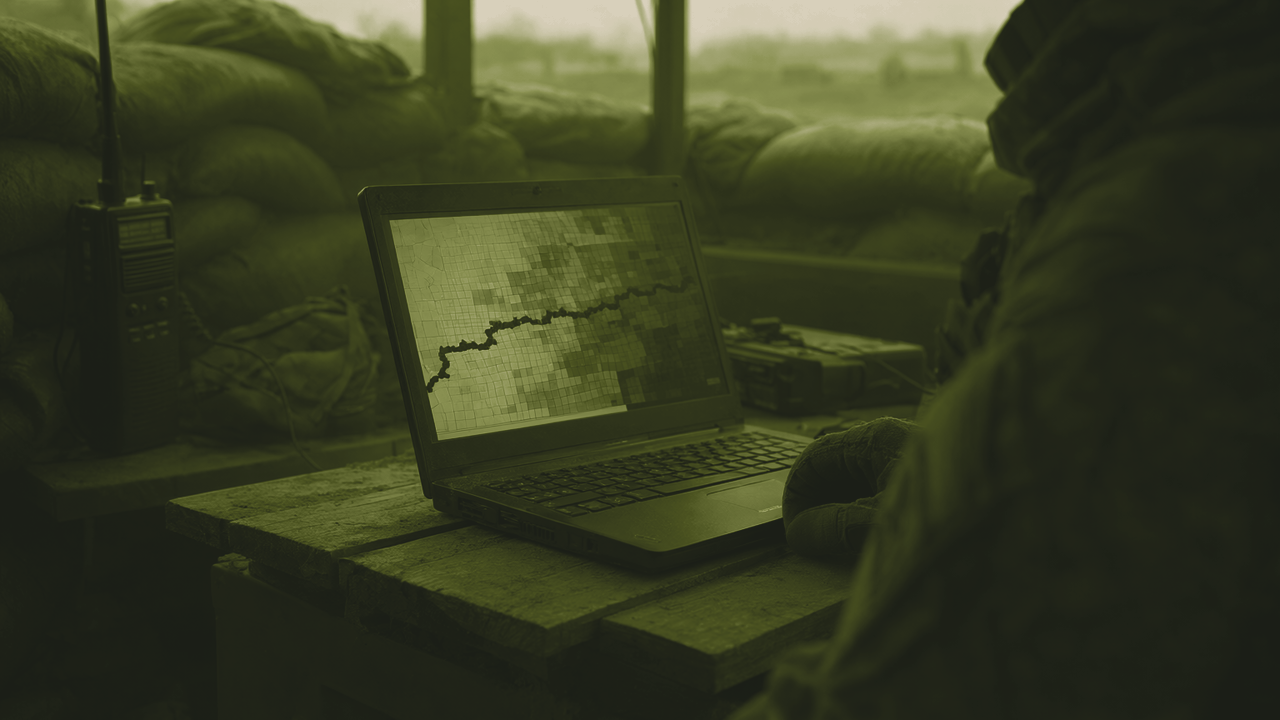
Model 13 gives Ukrainian commanders a cell-by-cell forecast of Russian drone activity 5 to 50 km behind the line, but Kyiv has published no accuracy figures.
Ukrainian commanders now have an AI forecast of where Russian strike and reconnaissance drones will be active the next day, across a belt 5 to 50 kilometers behind the line of contact. Model 13 "turns an array of disparate data into a clear map of expected activity," a spokesperson for NATO's Joint Analysis, Training and Education Centre (JATEC) told Business Insider in an interview published Oct. 29.
Frequently Asked Questions
What is Model 13?
An AI model, also called Initiative 13, that forecasts next-day Russian strike and reconnaissance drone activity across Ukrainian territory 5 to 50 km behind the line of contact. Ukraine's Armed Forces and NATO's Allied Command Transformation developed it with support from JATEC.
What does the forecast show?
The area is split into geographic cells. For each cell the model estimates expected drone activity, a threat level, its trend and a range of possible values, a JATEC spokesperson told Business Insider.
Does it predict individual strikes?
No. It forecasts activity by area for the following day. JATEC says it does not replace current battlefield data or commanders' decisions.
Is it in use?
Ukraine's Defence Ministry said on Oct. 13, 2026, that the model was validated on real data and ready for integration into the Armed Forces' situational-awareness systems.
How accurate is it?
Unknown. The ministry claims high-probability forecasts but has published no accuracy rates, false-alarm figures or validation method.
AI-generated summary, reviewed by an editor. More on our AI guidelines.
Read next — from the Lexicon
Below this point
7 more sections.
Ukraine's Armed Forces and NATO's Allied Command Transformation built the model with support from JATEC, a joint NATO-Ukraine body in Poland set up to draw lessons from the war, per Business Insider.
The system splits that belt into geographic cells. For each one it estimates "the expected intensity of strike and reconnaissance activity of UAVs, the level of threat, the trend of its change, and the range of possible values," the spokesperson said. Training data covers earlier Russian drone activity, drone types, when and how they flew, weather, terrain and distance to the front.
JATEC set a limit: the model "does not replace data from the current situation and commander's decisions." The output is an area forecast for the following day, not a warning of individual strikes.
Ukraine's Defence Ministry said Oct. 13 that Model 13 had been validated on real data and was ready for integration into the Armed Forces' situational-awareness systems. The ministry claims high-probability forecasts. It has published no accuracy rates, false-alarm figures or validation method.
Kyiv's forces already run Delta, a battle-management system that puts frontline data on an interactive map on laptops, phones and tablets. Ukrainian outlet dev.ua named Delta as an integration target.
A second model, No. 32, builds artillery plans, filters out unworkable options and ranks the rest. Its prototype is with Ukrainian units for testing, the ministry added.
The use case is deployment. A next-day risk map lets commanders shift troops, vehicles and scarce air defense before Russian drone activity peaks in a given cell. Two markers come next: Model 13's integration into Ukraine's situational-awareness systems, and No. 32's results from unit testing.

Marcus Schuler
Marcus Schuler edits BattlePolicy, a daily defense-technology brief connecting the companies and capabilities behind modern war to the contest among Europe, the US, Russia, and China.