Fire Point Says FP-1s Hit a Rosneft Diesel Unit Hours After Kyiv's Refinery Pause Went Public
Fire Point says its Ukrainian-built FP-1 drones struck a diesel treatment unit at Rosneft's Samara refinery, a day after the WSJ reported Kyiv had paused refinery attacks under Trump pressure.
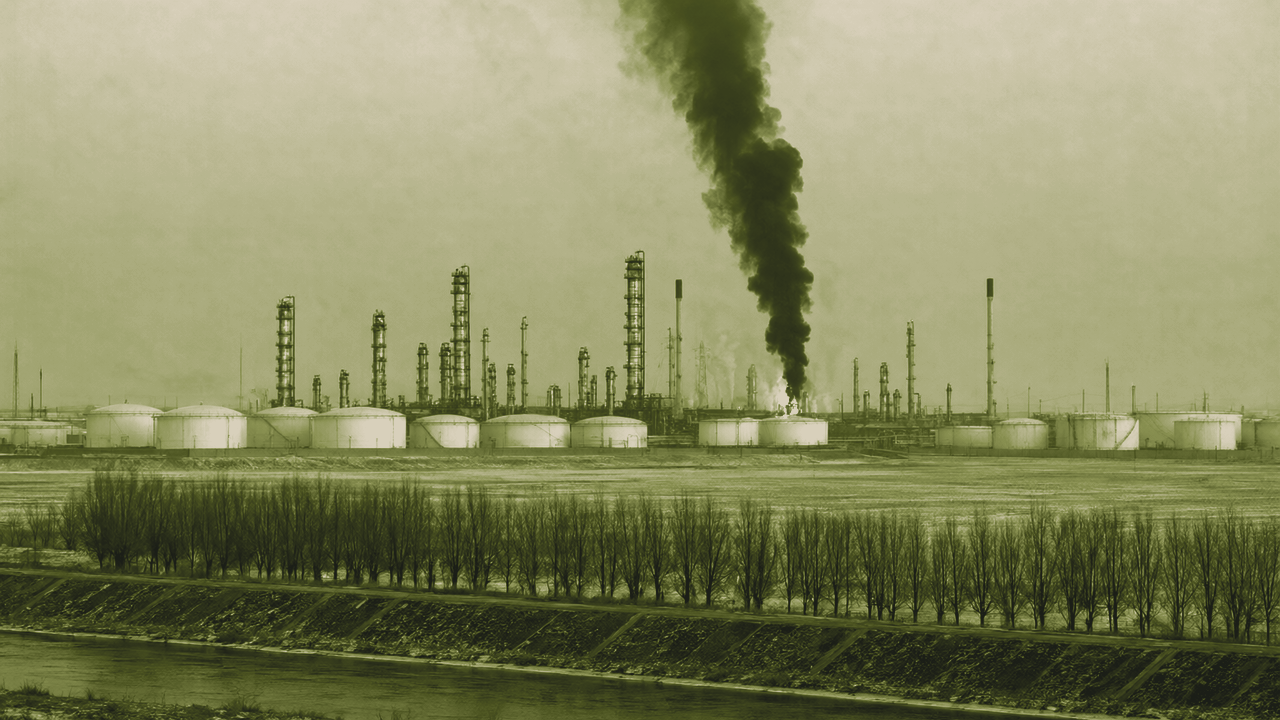
Fire Point says its Ukrainian-built FP-1 drones struck a diesel treatment unit at Rosneft's Samara refinery, a day after the WSJ reported Kyiv had paused refinery attacks under Trump pressure.
Ukraine struck Rosneft's Novokuybyshevsk refinery in Russia's Samara region early Oct. 30, ending a two-week pause in refinery attacks that came under Trump administration pressure, The Wall Street Journal reported. The attack started a fire. It was the first refinery strike since Ryazan on Oct. 15.
Frequently Asked Questions
What was struck on Oct. 30?
Drones hit Rosneft's Novokuybyshevsk refinery in Russia's Samara region, starting a fire. Fire Point, which makes the FP-1 long-range drone, says its drones recorded numerous hits and damaged a diesel fuel hydrotreatment unit. That damage claim has not been independently verified.
Did Ukraine pause its refinery strikes?
The Wall Street Journal reported on Oct. 29, citing people familiar with the operations, that Ukraine's long-range strike units were told in mid-October to stop new refinery missions. Kyiv has not confirmed the pause, and Zelensky said on Oct. 27 that his forces had no order not to attack refineries.
Why did Washington want the strikes stopped?
Trump has blamed Ukrainian refinery attacks for rising diesel prices ahead of the Nov. 3 U.S. midterm elections. Jared Kushner pressed Kyiv for a 30-day halt, according to the Journal.
What did Kyiv ask for in return?
Kyiv sought either a Russian halt to strikes on Ukraine's energy grid or more Patriot missiles. Neither produced a breakthrough, the Journal reported.
Why does the Novokuybyshevsk refinery matter?
Rosneft lists its capacity at about 8.8 million tonnes of crude a year, and the plant produces gasoline, diesel and jet fuel used by Russia's Aerospace Forces. It was also struck on April 18 and Aug. 22.
AI-generated summary, reviewed by an editor. More on our AI guidelines.
Read next — from the Lexicon
Below this point
7 more sections.
FP-1 long-range drones carried out the strike, their Ukrainian manufacturer Fire Point claimed on Telegram. The company listed numerous hits across the plant and named a diesel fuel hydrotreatment unit among the damaged facilities. That damage assessment is the manufacturer's own.
Independent Russian outlet ASTRA identified the burning site as the refinery from reader photographs. Kyiv had not claimed the strike by Friday morning. Samara Gov. Vyacheslav Fedorishchev blamed Kyiv for "a record number of drones" and said no one was hurt.
Rosneft has owned the plant since 2007 and lists its capacity at about 8.8 million tonnes of crude a year. It makes gasoline, diesel and jet fuel for Russia's Aerospace Forces. After an April 18 strike, it suspended both primary distillation units, AVT-11 and AVT-9.
The Journal disclosed the pause on Oct. 29, citing people familiar with the operations. Long-range units were told in mid-October to stop new refinery missions once flights already underway were complete. The pause was expected to last until after the Nov. 3 U.S. midterm elections, possibly deeper into November. Jared Kushner had pressed for a 30-day halt. Kyiv asked for a Russian stop to energy strikes or more Patriot missiles in return, and got neither.
Kyiv never confirmed the arrangement. "They have no order not to attack oil refineries," Zelensky told reporters on Oct. 27.
Trump has blamed Ukrainian refinery strikes for rising diesel prices. "He better damn well stop," he said on Oct. 10.
The pause was a decision by Ukraine's own high command over Ukrainian-built drones, and commanders kept the latitude to resume, the Journal's sources said. Fire Point now says those drones hit a diesel unit, the fuel at the center of Trump's complaint. U.S. voters go to the polls on Nov. 3.

Marcus Schuler
Marcus Schuler edits BattlePolicy, a daily defense-technology brief connecting the companies and capabilities behind modern war to the contest among Europe, the US, Russia, and China.