USAPro
Glide Phase Interceptor (GPI)
The Glide Phase Interceptor is a US-Japan missile-development program intended to give Aegis ships and Aegis Ashore a hit-to-kill defense against hypersonic glide vehicles during atmospheric glide.
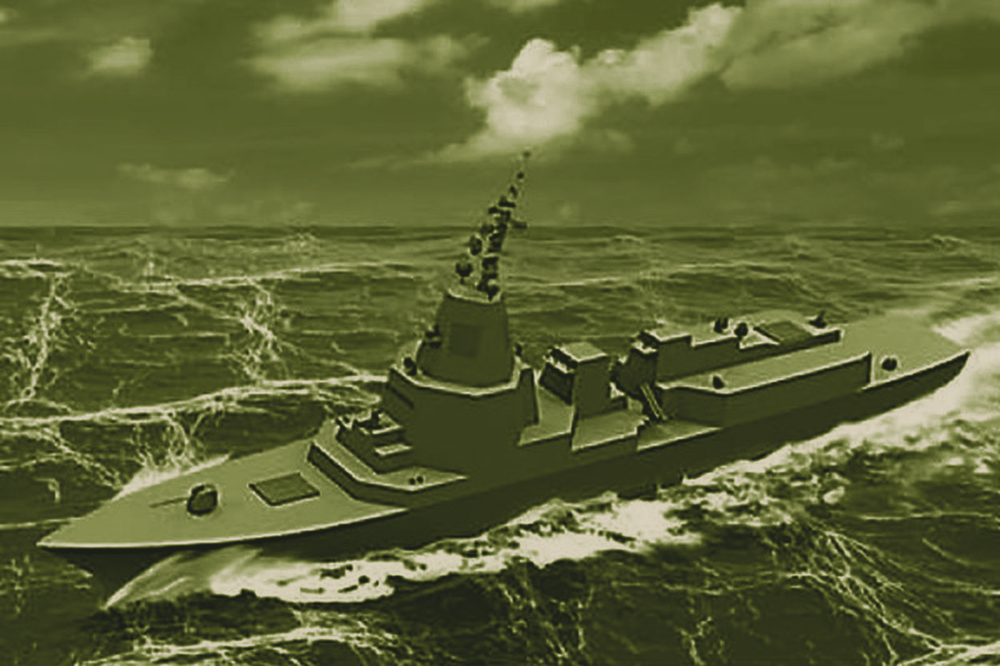
ASEV is Japan's two-ship Aegis missile-defense program, pairing SPY-7 radar with 128 launch cells to take persistent ballistic missile-defense duties off existing destroyers.
The Glide Phase Interceptor is a US-Japan missile-development program intended to give Aegis ships and Aegis Ashore a hit-to-kill defense against hypersonic glide vehicles during atmospheric glide.
The SM-3 is the US Navy's exoatmospheric hit-to-kill interceptor — the only Standard Missile built to destroy ballistic missiles in space. It made the first combat exoatmospheric intercepts in history defending Israel in April 2024, and its magazine is now the center of the US interceptor crisis.
Spain's new Aegis frigate — a Navantia-built warship pairing Lockheed Martin's SPY-7 radar and the Aegis combat system with a Spanish-designed integrated mast and a digital-twin "Shipyard 4.0" build. The high-end ASW-and-air-defence successor to the F100.
Spain's Álvaro de Bazán-class frigate — the first European Aegis air-defence combatant, carrying 48 Mk 41 VLS cells and shaping a generation of allied frigate designs.
The US Navy's FREMM-derived next-generation frigate — intended as a 20-hull class to close the force-structure gap, cut to 2 half-built hulls when the program was canceled in November 2025 amid runaway redesign and cost growth.
The backbone of the U.S. surface fleet — a 9,500-ton multirole Aegis destroyer with 96 vertical launch cells, evolving from the SPY-1 to the SPY-6 radar, and the platform that fought the heaviest air-defense battles since World War II in the Red Sea.