Royal Navy Commissions Its First Drone-Boat Squadron as Kraken Scouts Near First Interceptor Launches
The 180-strong unit moves uncrewed boats from trials to fleet tasking, and its first disclosed payload is a counter-drone interceptor that costs £5,000 to £10,000 a round.
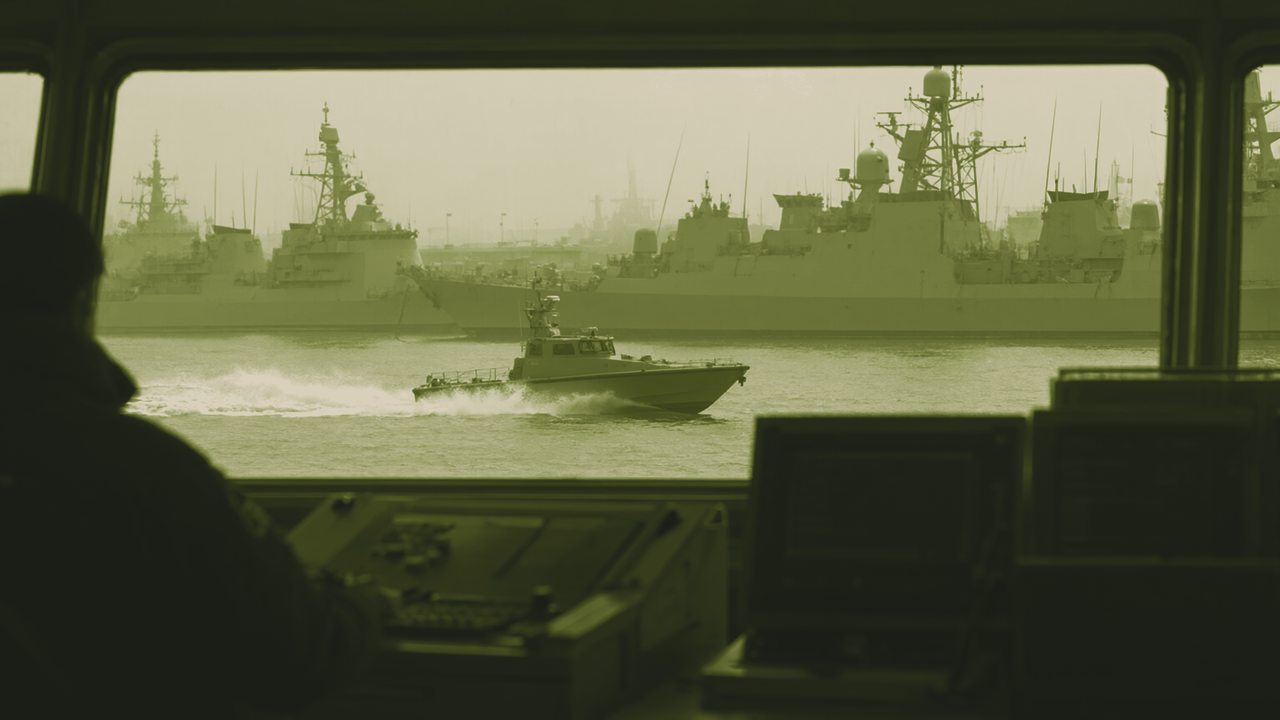
The 180-strong unit moves uncrewed boats from trials to fleet tasking, and its first disclosed payload is a counter-drone interceptor that costs £5,000 to £10,000 a round.
The Royal Navy commissioned the 1st Autonomous Squadron at HMNB Portsmouth on Nov. 5, the service announced Nov. 9. Fleet Commander Vice-Admiral Steve Moorhouse called it the first autonomous squadron in the Navy's history.
The unit replaces Project Beehive, the Navy's initial programme to buy uncrewed boats. About 180 personnel, the complement of a Type 23 frigate, will work in two watches to keep operations running around the clock, the release states. The wider "hybrid navy" effort has £1.5 billion over four years.
Frequently Asked Questions
What is the 1st Autonomous Squadron?
The Royal Navy's first unit formed to operate uncrewed boats on front-line operations. It was commissioned at HMNB Portsmouth on Nov. 5, 2026, has about 180 personnel in two watches and replaces Project Beehive, according to the Royal Navy.
Which boats does the squadron operate?
The 7.2-metre SYOS Aerospace Rattler, used mainly for training and swarm tactics, and the 8.4-metre Kraken K3 Scout, the operational boat. The Scout reaches 55 knots and has a range of about 600 miles, extendable to 1,100, Navy Lookout reported.
Are the boats fully autonomous?
Not yet. The Royal Navy said the boats were manoeuvred around Portsmouth Harbour from a control hub at the ceremony, and Second Sea Lord Vice-Admiral Paul Beattie described a step-by-step progression through grades of autonomy.
What is the counter-drone role?
Navy Lookout reported that the Navy has completed trial firings of a UK-built counter-drone interceptor and plans first launches from K3 Scouts within two months. In the concept, one Scout carries a Saab Giraffe 1X radar and others carry interceptors to screen a carrier or Type 45 destroyer.
How much do the interceptors cost?
Between £5,000 and £10,000 each, against about £2 million for a ship-launched missile, according to Navy Lookout.
Will the boats be used against Russian vessels?
Fleet Commander Vice-Admiral Steve Moorhouse told The Times the craft can be used with Russian vessels in place of a frigate or patrol vessel, and that operations would begin as soon as possible.
AI-generated summary, reviewed by an editor. More on our AI guidelines.
Read next — from the Lexicon
Below this point
6 more sections.

Marcus Schuler
Marcus Schuler edits BattlePolicy, a daily defense-technology brief connecting the companies and capabilities behind modern war to the contest among Europe, the US, Russia, and China.