Russia Fires 16 Ballistic Missiles at Ukraine's Grid as Kyiv Again Gets No Warning
Ukraine's Air Force tally lists no ballistic interceptions, and Zelensky says partners again gave no warning, a day after he said U.S. intelligence sharing had resumed.
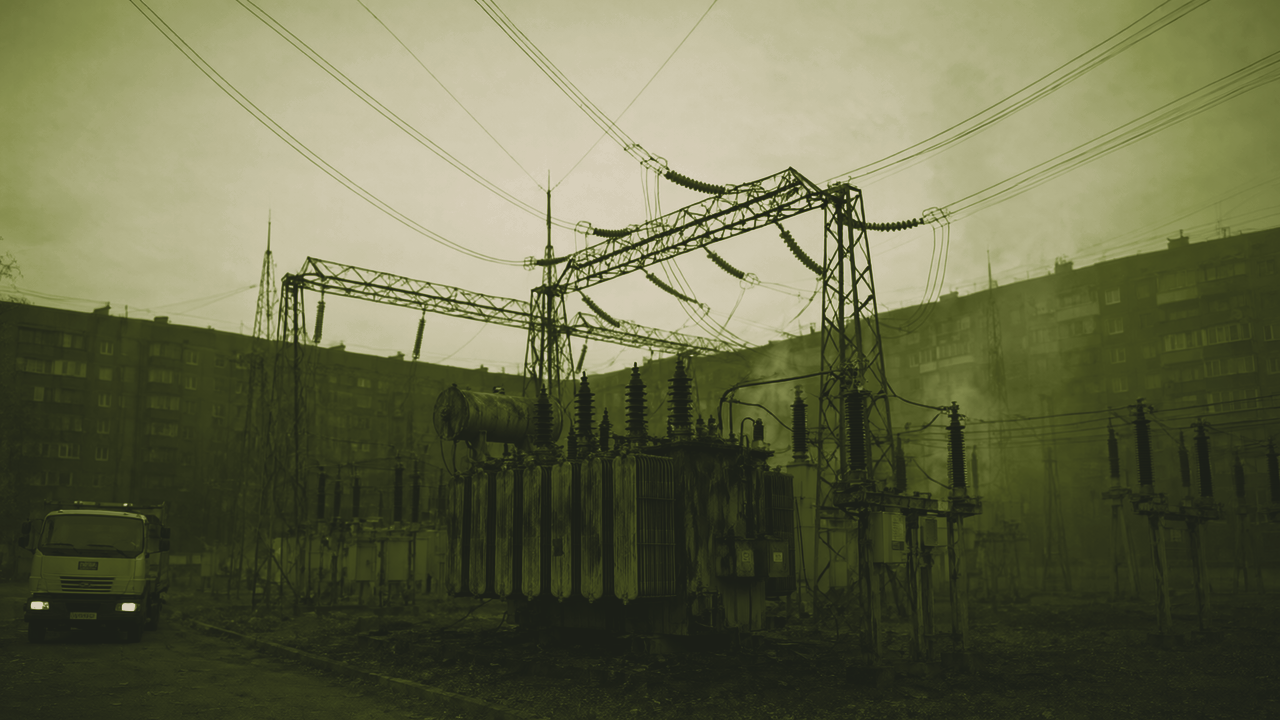
Ukraine's Air Force tally lists no ballistic interceptions, and Zelensky says partners again gave no warning, a day after he said U.S. intelligence sharing had resumed.
Russia fired 16 ballistic missiles at Kyiv and its surrounding region overnight into Oct. 19, President Volodymyr Zelensky said. Russia also launched Iskander-K cruise missiles and 269 drones, Ukraine's Air Force stated.
The Air Force's preliminary tally at 9 a.m. listed four Iskander-K cruise missiles and 243 drones shot down or suppressed, including 43 jet-powered drones. No ballistic missiles appeared among the intercepted targets. The Iskander-M and S-400 ballistic missiles flew from Russia's Smolensk, Bryansk and Kursk regions, per the service, which recorded hits at 25 locations and debris at eight.
Frequently Asked Questions
What did Russia launch overnight into Oct. 19?
Iskander-M and S-400 ballistic missiles, Iskander-K cruise missiles and 269 drones, per Ukraine's Air Force. Zelensky put the ballistic count at 16.
How much did Ukraine's air defense stop?
By 9 a.m. the Air Force listed four cruise missiles and 243 drones shot down or suppressed. Its tally included no ballistic missiles.
What was the damage to the grid?
Zelensky said more than 10 energy facilities were damaged and at least 550,000 households lost power.
Did Ukraine get advance warning?
No, Zelensky said. He had said a day earlier that U.S. intelligence sharing on ballistic attacks resumed after a three-day block; Rubio denied any pause.
What happened to the energy ceasefire?
Trump announced it on Oct. 11. Zelensky said Russia hit Ukraine's energy sector 76 times in the following week, and Ukraine resumed strikes on Russian oil sites, including the St. Petersburg Oil Terminal on Oct. 18.
AI-generated summary, reviewed by an editor. More on our AI guidelines.
Below this point
6 more sections.
More than 10 energy facilities were damaged and at least 550,000 households lost power, Zelensky said. The ballistic attack came in several waves, and "once again there was no warning from partners," he added.
A woman was killed in the capital, Mayor Vitali Klitschko wrote. A metro station was hit and a 25-story residential building damaged.
U.S. intelligence sharing on Russian ballistic attacks had resumed after being blocked for three days, Zelensky told NBC's Meet the Press on Oct. 18. Secretary of State Marco Rubio denied any pause on Monday and acknowledged having no information about the overnight attack. President Donald Trump has also maintained that Washington never stopped providing intelligence.
The barrage followed Ukraine's Oct. 17-18 drone attack on Russia. Russia's Defense Ministry claimed it downed more than 1,000 Ukrainian drones. Fires broke out at the St. Petersburg Oil Terminal and the Ruchyi oil depot, Governor Alexander Beglov confirmed. Ukrainian manufacturer Fire Point claimed its FP-1 attack drone struck the terminal.
Trump announced an "energy ceasefire" on Oct. 11. Russia then attacked Ukraine's energy, oil and gas sector 76 times in a week, Zelensky wrote. Ukraine paused strikes on Russian oil facilities for three days before resuming them, the BBC noted.
With 550,000 households dark and no ballistic missile in the Air Force's interception tally, Russia's next ballistic wave will show whether the intelligence sharing Washington says never stopped reaches Kyiv before launch.

Marcus Schuler
Marcus Schuler edits BattlePolicy, a daily defense-technology brief connecting the companies and capabilities behind modern war to the contest among Europe, the US, Russia, and China.