Yandex Moves Its AI Supercomputers as Russian Guidelines Push Data Centers Underground
More than two weeks after Ukrainian drones hit three Yandex data centers, Yandex says its AI training machines survived and Russian guidelines tell strategic data centers to go underground.
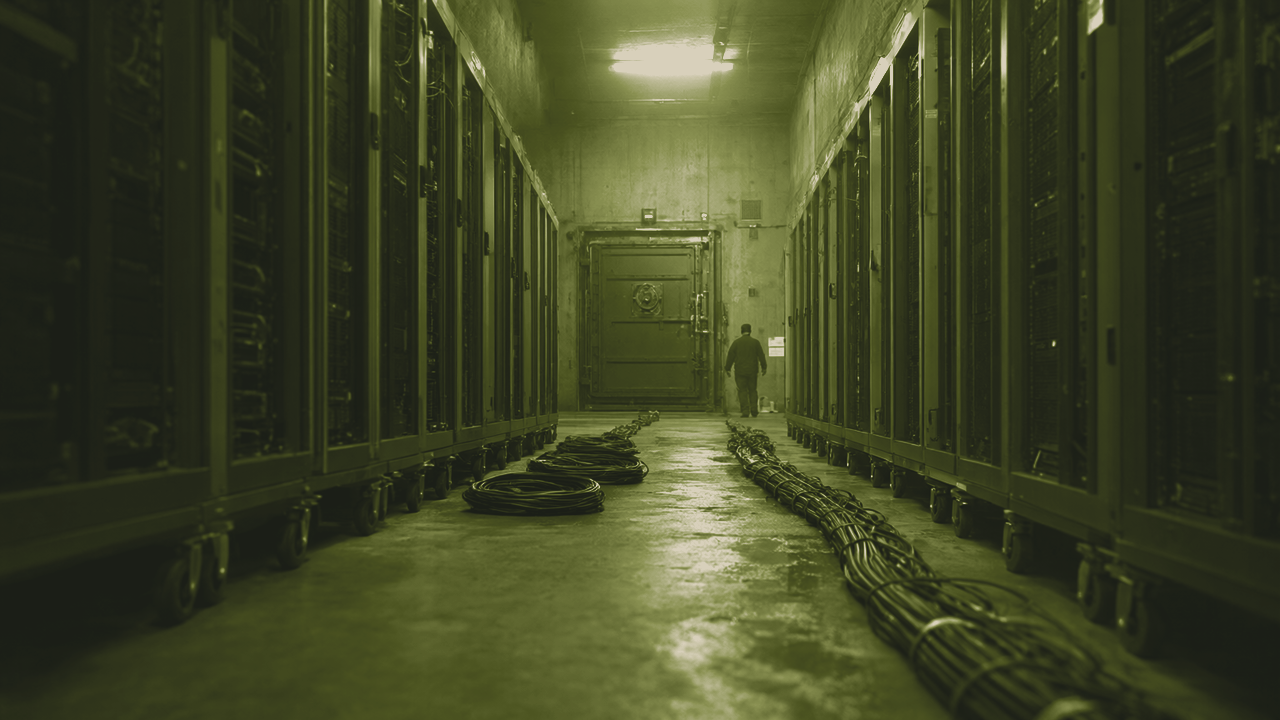
More than two weeks after Ukrainian drones hit three Yandex data centers, Yandex says its AI training machines survived and Russian guidelines tell strategic data centers to go underground.
All three of Yandex's AI supercomputers survived the Ukrainian drone attacks without damage and have been moved to new computing sites, the company said Oct. 26.
Lyapunov, Galushkin and Chervonenkis are being deployed at their new locations. Once back online, they will run Yandex services and train foundation language models, according to the company's statement. The machines use Nvidia A100 chips, Yandex has previously said.
Frequently Asked Questions
Were Yandex's supercomputers damaged?
No, according to Yandex. The company said Oct. 26 that Lyapunov, Galushkin and Chervonenkis were not damaged and have been moved to new computing sites.
What will the supercomputers be used for?
Yandex says they will rejoin its service infrastructure and keep training foundation language models once back online.
What do the new data-center recommendations call for?
The recommendations sort data centers into three tiers. Strategic K1 sites should go underground or into bunkers; existing sites should reduce their visibility from the air and add reinforcement, electronic warfare and counter-drone systems, Kommersant wrote.
Which Russian data centers did Ukraine strike?
Three Yandex data centers in Sasovo, Kaluga and Vladimir, a Sberbank facility under construction and a VK data center, between Oct. 8 and Oct. 18.
Why did Ukraine target data centers?
Kyiv called the strikes a response to Russian attacks on data centers in Kyiv.
How long will repairs take?
IT market sources projected that replacing the equipment knocked out at Yandex's sites will take up to six months.
AI-generated summary, reviewed by an editor. More on our AI guidelines.
Read next — from the Lexicon
Below this point
7 more sections.
An industry task force set up under Russia's Digital Development Ministry has approved recommendations for protecting data centers against drones and other aerial threats, the business daily Kommersant wrote Oct. 25 after reviewing the document.
The guidelines sort facilities into three tiers. Strategic K1 sites, whose loss could disrupt key state functions for an hour or more, should go underground or into bunkers. A second tier covers regionally or economically important systems where outages could last four hours or more. The third covers corporate data centers whose damage would have no wider consequences for the state.
Existing sites should cut their visibility from the air and pair reinforced structures with electronic warfare equipment and counter-drone systems.
Ukrainian drones struck three Yandex data centers, in Sasovo, Kaluga and Vladimir, along with a Sberbank facility under construction and a VK data center between Oct. 8 and Oct. 18. Kyiv called the strikes a response to Russian attacks on data centers in Kyiv.
About 80% of Russia's data centers sit in Moscow and the surrounding region, former Yandex Ukraine head Serhiy Petrenko estimated.
Replacing the equipment knocked out at Yandex's sites will take up to six months, IT market sources projected earlier this month.
Experts quoted by Kommersant put the cost of the added protection at roughly 10% on data-center service prices. The recommendations apply to every facility in operation, under construction or still being designed, regardless of owner.

Marcus Schuler
Marcus Schuler edits BattlePolicy, a daily defense-technology brief connecting the companies and capabilities behind modern war to the contest among Europe, the US, Russia, and China.