Quantum Systems Vector
Germany's combat-proven eVTOL fixed-wing reconnaissance drone — built for jammed environments, upgraded with AI target detection and acoustic artillery location, and the backbone of Ukraine's tactical ISR fleet.
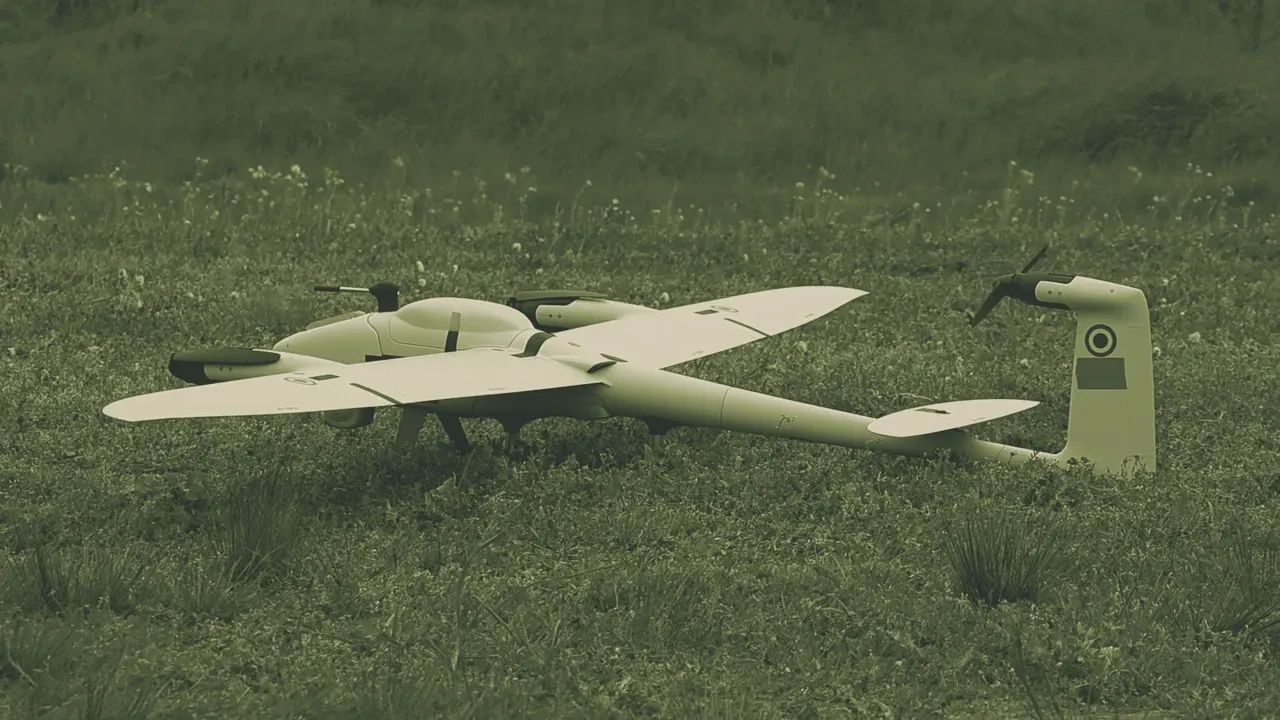

A German electric-VTOL fixed-wing ISR drone that has become the standard tactical reconnaissance asset for Ukrainian forces, combining long endurance with edge-AI target detection and acoustic artillery location in contested electromagnetic environments.
Overview
The Quantum Systems Vector is a battery-powered, tail-sitter electric VTOL (eVTOL) fixed-wing small unmanned aircraft system (sUAS) optimised for medium-range intelligence, surveillance and reconnaissance (ISR). It entered combat in Ukraine in 2022 and has since been operated at unprecedented scale, logging more than 20,000 operational flight hours there, according to the manufacturer. The airframe converts to the Scorpion multicopter using the same avionics, giving a single system both long-endurance fixed-wing flight and hover-and-stare capability. From 2025 a new iteration, Vector AI, embeds dual Nvidia Jetson Orin modules for on-board object detection, tracking and acoustic artillery cueing, while anti-jam GNSS antennas and vision-based navigation preserve operation in GPS-denied environments source.
🔒 The full Quantum Systems Vector file is for BattlePolicy Pro members. Below the line: development history, design and capabilities, variants, the combat record, advantages and limitations, comparable systems, outlook, the full specifications table, our sourcing, and the analyst assessment — procurement, suppliers and the BattlePolicy verdict. Unlock the full file with BattlePolicy Pro →
Below this point
- Development
- Design & capabilities
- Variants
- Combat record / operational use
- Advantages
- Drawbacks / limitations
- Counterparts
- Outlook
- Key specifications
- Sources
- Analyst Section
- Procurement & contracts
- Suppliers & related companies
- Comparable systems — analyst view
- Analyst note